
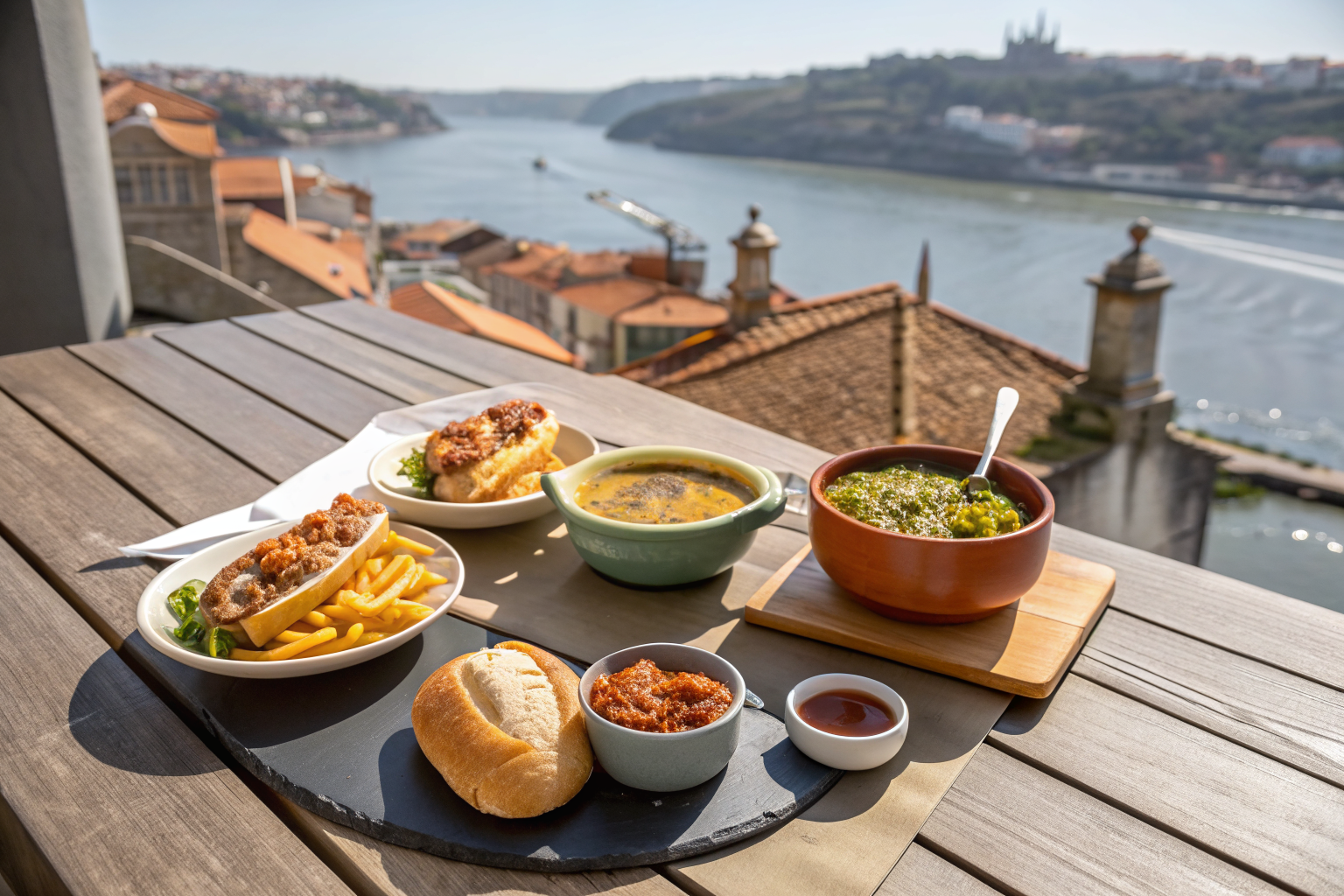
The traditional food porto is known for its hearty, rustic, and deeply flavorful dishes, reflecting the city’s working-class history and maritime location. It often features rich meats, fresh seafood, and comforting stews that surprise many visitors. Common concerns for travelers include knowing which iconic meals to prioritize, like the legendary Francesinha sandwich, and finding authentic restaurants among the many tourist options. This cuisine is a core part of experiencing the city’s unique culture.
Key Benefits at a Glance
- Authentic Flavors: Discover must-try dishes like the multi-layered Francesinha and savory Tripas à Moda do Porto for a true taste of the region.
- Budget-Friendly Dining: Enjoy generous portions at great value, as many traditional “tascas” (taverns) offer affordable and satisfying meals.
- Fresh & Local: Experience the quality of locally sourced ingredients, particularly fresh seafood caught daily from the nearby Atlantic coast.
- Cultural Immersion: Connect with Porto’s heritage by dining in historic, family-run restaurants where recipes have been passed down for generations.
- Perfect Pairings: Learn how to perfectly complement your meal with local beverages, from crisp Vinho Verde to the city’s famous Port wine.
Purpose of this guide
This guide helps travelers and food enthusiasts plan a delicious journey through Porto’s culinary landscape. It solves the problem of feeling overwhelmed by local menus and not knowing what to order for an authentic experience. You will learn about the essential dishes that define Porto’s cuisine, the stories behind them, and practical tips for finding the best tascas and markets. By focusing on iconic meals and avoiding common tourist traps, you can navigate the city with confidence and ensure every meal is a memorable part of your trip.
I stepped off the train at São Bento station in Porto, immediately struck by the azulejo tiles depicting Portuguese history, but what truly captured my attention was the aroma wafting from a nearby café – my first encounter with authentic Porto cuisine that would transform my understanding of Portuguese gastronomy. Over the past five years, I've returned to this remarkable city countless times, each visit deepening my appreciation for its unique culinary identity that sets it apart from other Portuguese regions. As a food writer who has explored kitchens and markets across Europe, I can confidently say that Porto offers one of the most authentic and unchanged traditional food scenes you'll find anywhere.
This comprehensive guide draws from extensive research, countless meals with local families, interviews with traditional chefs, and exploration of every neighborhood from Ribeira to Cedofeita. You'll discover not just what to eat, but where to find the most authentic versions, how to order like a local, and the fascinating stories behind each dish that make Porto's food culture so compelling.
- Discover 8+ iconic traditional dishes unique to Porto
- Learn to identify authentic restaurants from tourist traps
- Master local dining customs and meal timing
- Understand the historical roots of Porto’s culinary identity
- Find the best wine pairings for traditional Porto dishes
The rich history behind Porto's traditional cuisine

Porto's culinary identity emerged from a perfect storm of geography and history that created something truly unique within Portuguese gastronomy. Positioned where the Douro River meets the Atlantic, this ancient city became a crucial trading port that brought exotic spices from Portuguese colonies while maintaining access to both river fish and Atlantic seafood. The steep hills rising from the riverbank created distinct neighborhoods, each developing its own food traditions based on the occupations and social classes of its residents.
The city's maritime heritage profoundly shaped its cuisine through centuries of trade with Brazil, Africa, and Asia. Spices like piri piri peppers, cinnamon, and bay leaves arrived on merchant ships, gradually integrating into local recipes. Meanwhile, the Douro River provided not just transportation but also fresh fish that became central to many traditional dishes. The combination of Atlantic proximity and river access gave Porto cooks an unusual variety of seafood options that you won't find in other inland Portuguese cities.
What truly sets Porto apart is how its working-class character influenced the cuisine. Unlike Lisbon's more aristocratic food traditions, Porto's dishes were created by and for hardworking people – dock workers, craftsmen, and merchants who needed hearty, affordable meals that could sustain them through long days of physical labor. This practical approach to cooking created the robust, no-nonsense dishes that define Porto cuisine today.
The legacy of "Tripeiros" and my experience with Porto's most famous dish
The most defining moment in Porto's culinary history occurred during the 15th century when Prince Henry the Navigator was preparing for the conquest of Ceuta. The story goes that Porto's citizens donated all their meat to provision the fleet, keeping only the tripe for themselves. From this sacrifice came Tripas à Moda do Porto, and Porto residents earned the proud nickname "tripeiros" – tripe eaters.
My first encounter with this legendary dish came during a rainy October evening at a traditional tasca in the Cedofeita neighborhood. I'll admit, the appearance was intimidating – chunks of white tripe swimming in a rich, reddish-brown sauce alongside white beans and vegetables. The elderly proprietor, Dona Maria, noticed my hesitation and insisted on explaining the proper way to eat tripas: mix everything together, ensuring each spoonful contains tripe, beans, and plenty of that complex sauce.
The first bite was a revelation. The tripe had a unique texture – tender but with slight resistance – while the sauce delivered layers of flavor from slow-cooked tomatoes, paprika, and bay leaves. What struck me most was how the dish embodied Porto's character: unpretentious, deeply satisfying, and requiring no apologies for what it is.
“Tripas à Moda do Porto is not just food – it’s our identity on a plate. When you eat tripas, you’re tasting the sacrifice our ancestors made for Portugal. Every Porto family has their own recipe, passed down through generations.”
Today, authentic tripas can be challenging to find as many restaurants cater to tourists who prefer less adventurous dishes. However, the dish remains a point of pride for true "tripeiros" and serves as a culinary badge of honor that separates locals from visitors.
What I've learned about traditional Portuguese food
Portuguese cuisine represents one of Europe's most distinctive culinary traditions, shaped by centuries of maritime exploration and colonial influence. The foundation rests on Mediterranean principles – abundant olive oil, fresh seafood, and aromatic herbs – but Portuguese cooking incorporates spices and techniques from Brazil, Africa, and Asia that create something entirely unique.
- Olive oil as the primary cooking fat in most dishes
- Mediterranean herbs like bay leaves, parsley, and coriander
- Piri piri and other spices from former Portuguese colonies
- Fresh seafood from Atlantic waters via Douro River access
- Hearty preparations designed for working-class sustenance
What makes Portuguese food particularly compelling is its honest, unpretentious approach to cooking. Unlike French cuisine with its elaborate techniques or Italian food with its regional perfectionism, Portuguese cooking focuses on extracting maximum flavor from simple, high-quality ingredients. This philosophy perfectly suits Porto's working-class heritage and practical mindset.
The colonial influence cannot be overstated. Piri piri peppers from Africa, cinnamon and cloves from Asia, and beans and tomatoes from the Americas all became integral to Portuguese cooking. However, these ingredients were adapted to local tastes and techniques rather than simply copied, creating fusion cuisine centuries before the term existed.
Porto's position within this broader Portuguese culinary landscape is unique. While Lisbon cuisine shows more aristocratic influences and southern regions emphasize seafood, Porto developed a distinctive identity focused on hearty, meat-heavy dishes that could satisfy hard-working people. The city's tripas, francesinha, and robust stews reflect this practical approach to cooking that prioritizes substance over sophistication.
My favorite iconic dishes you must try in Porto
Exploring Porto's traditional cuisine means understanding that each iconic dish tells a story about the city's character, history, and values. Unlike tourist-oriented Portuguese restaurants that serve generic versions of national dishes, authentic Porto establishments specialize in preparations that are distinctly local, often unavailable anywhere else in Portugal.
The beauty of Porto's food scene lies in how these dishes evolved organically from local ingredients, working-class needs, and cultural influences. Each has survived because it serves a specific purpose – whether providing quick energy for dock workers, using affordable ingredients creatively, or celebrating special occasions with family and friends.
What I've learned through countless meals across the city is that the best versions of these dishes come from establishments that have been serving them for generations. These family-run restaurants and tascas understand that authenticity comes not from following recipes exactly, but from understanding the spirit and purpose behind each dish.
The Francesinha: how I discovered Porto's legendary sandwich
My quest to find the perfect Francesinha became an obsession during my first extended stay in Porto. This legendary sandwich – layers of bread stuffed with linguiça sausage, ham, and steak, covered with melted cheese and a fried egg, then drenched in a secret beer and tomato sauce – represents everything bold and unapologetic about Porto cuisine.
The first francesinha I ordered came from a tourist restaurant near the cathedral, and it was a disaster. The sauce was thin and sweet, the meat was obviously processed, and the whole thing fell apart before I could finish it. A local bartender, seeing my disappointment, directed me to Café Santiago in the city center, warning me to arrive hungry because "a real francesinha is a meal for two people, but Porto pride says you eat it alone."
At Santiago, I watched the cook assemble my francesinha with practiced precision. The bread was thick and sturdy, the meats were layered carefully, and the cheese was applied generously before the whole creation went under the broiler. But the magic happened when the sauce arrived – a thick, complex concoction that managed to be simultaneously tangy, slightly spicy, and deeply savory.
The french fries served alongside aren't just a side dish; they're essential tools for soaking up every drop of that precious sauce. I learned to alternate between bites of the sandwich and fries dipped in sauce, creating a rhythm that locals follow instinctively.
What makes each francesinha unique is the sauce recipe, which every establishment guards jealously. Some emphasize the beer component, others focus on tomato intensity, and a few add mysterious ingredients that create distinctive flavor profiles. After trying dozens of versions across the city, I've concluded that the best francesinhas balance all elements perfectly – the meat provides substance, the cheese adds richness, and the sauce ties everything together with complex flavor that keeps you coming back for more.
My guide to Bacalhau: the versatile codfish dishes of Porto
No ingredient is more central to Portuguese identity than bacalhau – dried and salted cod that has been a staple for over 500 years. In Porto, bacalhau preparations reflect both the city's maritime heritage and its practical approach to cooking, creating dishes that transform this preserved fish into something extraordinary.
Bacalhau à Brás remains the most popular preparation in Porto – shredded cod mixed with thin-cut fried potatoes, scrambled eggs, and garnished with black olives and parsley. The dish originated as a way to use leftover cod and potatoes, but skilled cooks elevated it into something approaching art. The key lies in achieving the perfect texture where the cod, potatoes, and eggs meld together while maintaining their individual characteristics.
During a cooking lesson with Dona Isabel at her family restaurant in Miragaia, I learned the critical technique for preparing bacalhau properly. The dried cod must be soaked for exactly 24 hours with three water changes to remove excess salt while preserving the fish's firm texture. "Too little soaking and it's too salty," she explained while demonstrating the proper shredding technique. "Too much soaking and it falls apart like paper."
Bacalhau à Gomes de Sá represents a more elaborate approach – layers of shredded cod, sliced potatoes, onions, and hard-boiled eggs baked in a casserole with olive oil and garnished with black olives. Named after a 19th-century cod merchant's son, this dish showcases how Porto cooks can create something elegant from humble ingredients.
What fascinates me most about bacalhau culture in Porto is how each family claims their preparation is "the authentic way." I've eaten bacalhau prepared dozens of different ways, and each cook insists their method represents true tradition. This diversity actually reflects the ingredient's versatility and the creativity of Portuguese cooks who refuse to be limited by rigid recipes.
The best bacalhau dishes in Porto come from restaurants that understand the ingredient's unique properties. Properly prepared bacalhau should never taste fishy or overly salty – instead, it provides a clean, oceanic flavor that serves as a canvas for Portuguese seasonings and cooking techniques.
How I fell in love with Caldo Verde and other essential soups
Caldo Verde captured my heart during a particularly cold and rainy February evening when I ducked into a small tasca near the Bolhão Market. The proprietor, without asking what I wanted, placed a steaming bowl of vibrant green soup before me along with a chunk of rustic bread and a glass of red wine. That first spoonful – creamy potatoes blended with finely shredded kale and punctuated by slices of smoky chorizo – provided exactly the comfort I needed.
This deceptively simple soup represents Portuguese comfort food at its finest. The base consists of potatoes cooked until they break down into a creamy consistency, then mixed with finely shredded couve (Portuguese kale) that turns the soup its distinctive green color. Slices of chouriço (Portuguese chorizo) float on top, releasing their smoky, paprika-infused oils into the soup.
The technique for proper Caldo Verde took me several attempts to master. The kale must be shredded incredibly thin – almost thread-like – so it wilts quickly without becoming tough. The potatoes should be mashed just enough to create creaminess while retaining some texture. Most importantly, the chorizo should be added at the very end so it releases flavor without becoming rubbery.
Açorda represents another essential soup tradition, though it's less commonly found in tourist areas. This bread-based soup combines day-old bread with garlic, olive oil, eggs, and various additions like seafood or vegetables. The result is a thick, porridge-like consistency that transforms humble ingredients into something deeply satisfying.
What I've learned from Porto soup culture is that these dishes serve as daily sustenance rather than special occasion food. Families eat Caldo Verde regularly throughout winter, and many restaurants serve it as a starter regardless of the main course. This practical approach to soup reflects Porto's working-class heritage – simple, nutritious food that provides energy for demanding work.
The best versions come from establishments that make their soup fresh daily rather than keeping it warm for hours. You can identify quality by the vibrant green color of the kale and the way the chorizo oils create appealing patterns on the surface.
Other essential Porto specialties I recommend
Beyond the famous trio of francesinha, bacalhau, and Caldo Verde, Porto offers numerous traditional dishes that deserve attention from serious food enthusiasts. These specialties may not have achieved international recognition, but they represent authentic flavors that locals have cherished for generations.
- Main Courses: Alheira sausage, Bifana pork sandwich, Cozido à portuguesa stew
- Desserts: Pastel de nata custard tarts, traditional Porto sweets
- Street Food: Quick bifanas from local stands, grilled sardines during festivals
Alheira holds special significance as a sausage created by Portuguese Jews during the Inquisition to avoid persecution. Made primarily with poultry and bread rather than pork, alheira offers a unique texture and flavor that sets it apart from traditional sausages. In Porto, it's typically grilled or fried and served with french fries, rice, and a fried egg – a combination that might seem excessive but works perfectly together.
Bifana represents Porto's answer to fast food – thin slices of marinated pork served in crusty bread rolls. The meat is cooked in a sauce of white wine, garlic, and bay leaves until tender, then stuffed into fresh bread. Quality bifanas depend entirely on the pork preparation and bread quality, making this simple dish surprisingly difficult to execute well.
Cozido à portuguesa showcases Portuguese comfort food at its most elaborate. This massive stew combines various meats (beef, pork, chicken, and sausages) with vegetables (cabbage, potatoes, carrots, and beans) cooked together until everything reaches perfect tenderness. Traditional cozido requires careful timing to ensure each ingredient finishes cooking simultaneously.
Pastel de nata deserves mention despite being available throughout Portugal. Porto versions tend to be slightly less sweet than Lisbon's famous pastéis de Belém, with a more pronounced custard flavor and darker caramelization on top. The best examples have flaky pastry that shatters when bitten and custard that's set but still slightly wobbly in the center.
Why I love Torricado and traditional side dishes
Torricado – charcoal-toasted bread rubbed with garlic and drizzled with olive oil – might seem insignificant, but it represents the soul of Portuguese cooking. This simple preparation transforms ordinary bread into something aromatic and flavorful that enhances every meal. The key lies in using good bread, high-quality olive oil, and the subtle char that only comes from proper grilling.
During my stays with Porto families, I noticed how torricado appears at almost every meal, serving multiple purposes. It soaks up sauce from main dishes, provides a vehicle for spreading pâté or queijo (cheese), and offers a satisfying contrast of textures. The preparation ritual – toasting bread over charcoal, rubbing with garlic, and drizzling with olive oil – connects modern meals to centuries of Portuguese tradition.
Other traditional accompaniments include batatas cozidas (boiled potatoes), arroz branco (white rice), and seasonal vegetables prepared simply with olive oil and garlic. These sides might seem basic, but they serve crucial roles in balancing the rich, intensely flavored main dishes that dominate Porto cuisine.
What impressed me most about Porto's approach to side dishes is how they complement rather than compete with main courses. The sides provide neutral canvases that allow complex sauces and seasonings to shine while offering textural variety and nutritional balance.
My favorite traditional croquettes and snacks
Portuguese croquettes culture thrives in Porto's tascas and neighborhood bars, where these golden-fried delicacies serve as perfect accompaniments to afternoon wine or beer. Pastéis de bacalhau (codfish cakes) lead the category – perfectly seasoned mixtures of shredded cod, mashed potatoes, eggs, and parsley formed into oval shapes and deep-fried until golden.
The art of making exceptional pastéis de bacalhau lies in achieving the right balance of ingredients and textures. Too much potato makes them heavy, too much cod makes them salty, and incorrect frying temperature results in greasy or undercooked centers. The best versions have crispy exteriors that give way to fluffy, well-seasoned interiors with distinct but harmonious flavors.
Croquetes de carne (meat croquettes) offer another popular option, typically made with shredded beef or pork mixed with béchamel sauce, breaded and fried. Quality versions use real meat rather than processed alternatives and achieve the perfect creamy-to-crispy ratio that makes croquettes irresistible.
I discovered the best croquettes aren't found in restaurants but in neighborhood tascas and bars where locals gather for their afternoon imperial (small beer) and snacks. These establishments make croquettes fresh daily, often displaying them in heated cases where you can see the golden exterior that promises perfectly cooked interiors.
The social aspect of croquette culture fascinated me. Portuguese people rarely eat croquettes as full meals – instead, they serve as social food shared among friends during casual gatherings. This communal approach reflects Porto's gregarious culture where food serves as a catalyst for conversation and connection.
Local ingredients I've found that define Porto's culinary identity
Understanding Porto's cuisine requires appreciating the ingredients that form its foundation. The city's position between river and ocean, combined with fertile inland regions, provides access to an exceptional variety of high-quality ingredients that skilled cooks transform into memorable dishes.
Portuguese olive oil deserves special recognition as perhaps the most important ingredient in local cooking. Unlike the lighter oils common in other Mediterranean cuisines, Portuguese olive oil tends to be more robust and fruity, capable of standing up to the bold flavors that characterize Porto dishes. Local cooks use olive oil not just for cooking but as a finishing ingredient that adds richness and complexity to completed dishes.
The Atlantic cod that becomes bacalhau arrives in Porto after months of drying and salting, a preservation process that concentrates flavors while creating the unique texture that makes Portuguese cod dishes possible. Quality bacalhau should be white, firm, and free from excessive salt – characteristics that require careful selection from knowledgeable suppliers.
Portuguese chorizo differs significantly from Spanish varieties, featuring a more subtle smokiness and finer texture that makes it perfect for soups and stews. The paprika used in Portuguese chorizo provides color and mild heat without overwhelming other flavors, creating the perfect complement to beans and vegetables in traditional dishes.
Seasonal ingredients play crucial roles in Porto cooking. Fresh kale appears in markets during winter months, providing the essential ingredient for Caldo Verde. Spring brings fresh peas and broad beans that appear in numerous traditional preparations. Summer offers tomatoes and peppers that form the base for many sauces and stews.
| Ingredient | Cultural Significance | Featured Dishes |
|---|---|---|
| Atlantic Cod (Bacalhau) | National fish of Portugal | Bacalhau à Brás, Pastéis de bacalhau |
| Douro Valley Olive Oil | Primary cooking fat | Torricado, salad dressings |
| Portuguese Chorizo | Smoky pork sausage | Caldo Verde, Cozido à portuguesa |
| Fresh Kale (Couve) | Winter green vegetable | Caldo Verde soup |
| Local River Fish | Douro River catch | Grilled fish, seafood stews |
| Piri Piri Peppers | Colonial spice heritage | Marinades, hot sauces |
The Bolhão Market: my favorite treasure trove of traditional ingredients
Mercado do Bolhão represents the beating heart of Porto's ingredient culture, a 19th-century iron and glass structure where local vendors have been selling fresh produce, meats, and seafood for over a century. Despite recent renovations, the market maintains its authentic character and continues serving as the primary source for quality ingredients among serious Porto cooks.
My relationship with Bolhão Market began during my second visit to Porto when I decided to cook traditional dishes in my rented apartment. Senhor António, a vegetable vendor who has worked at the market for over forty years, became my unofficial guide to ingredient selection. He taught me to identify the freshest kale by its deep green color and crisp texture, to select potatoes based on their intended use, and to recognize when tomatoes have achieved perfect ripeness.
The fish vendors at Bolhão maintain connections with Matosinhos fishing boats, ensuring daily deliveries of fresh Atlantic catch. Dona Rosa explained how to identify fresh cod, the difference between various sardine sizes, and why certain fish work better for specific preparations. Her knowledge extends beyond simple freshness – she understands which fish complement traditional Portuguese seasonings and cooking methods.
Meat vendors offer traditional cuts that you won't find in modern supermarkets. They stock the specific types of chorizo needed for authentic Caldo Verde, the proper cuts for Cozido à portuguesa, and house-made alheira sausages prepared according to family recipes. These vendors understand that traditional cooking requires traditional ingredients prepared in time-honored ways.
The spice and herb vendors provide access to piri piri peppers, bay leaves, and other seasonings that define Portuguese flavor profiles. Unlike imported alternatives, these locally-sourced spices retain the intensity and authenticity that traditional recipes require.
What makes Bolhão Market special isn't just ingredient quality but the knowledge that vendors share with customers. They understand how ingredients work together, which combinations create traditional flavors, and how seasonal changes affect cooking techniques. This expertise, passed down through generations, makes the market an essential resource for anyone serious about understanding Porto cuisine.
Where I find authentic traditional food in Porto
Identifying authentic traditional restaurants in Porto requires understanding the difference between establishments that serve locals and those targeting tourists. Authentic places often look unremarkable from the outside, maintain simple decor, and focus entirely on food quality rather than atmosphere or presentation.
The most reliable indicators of authenticity include Portuguese-only menus, local clientele, and traditional preparation methods visible in open kitchens. Authentic restaurants typically specialize in a limited number of dishes that they've perfected over years or decades, rather than offering extensive menus designed to appeal to every possible taste.
Family ownership often indicates authenticity, particularly when multiple generations work together in the same establishment. These restaurants maintain traditional recipes not because they're following cookbook instructions, but because they're continuing family traditions that have been refined through decades of practice.
Pricing provides another authenticity indicator – truly traditional restaurants serve working-class clientele and maintain affordable prices. If prices seem designed for tourists, the food probably is too.
- Taberna do Gaveto – Seafood specialties and traditional atmosphere
- Tasca do Chico – Historic tasca famous for Tripas à Moda do Porto
- O Diplomata – Family-run restaurant serving authentic Francesinha
- Casa do Livro – Hidden gem specializing in traditional codfish dishes
- Taberna Real do Fado – Traditional tavern with live fado music
- Restaurante Abadia do Porto – Historic monastery setting with regional cuisine
- Cantinho do Avillez – Contemporary approach to traditional recipes
Many of Porto’s most authentic tascas are tucked into the historic Ribeira district, where generations have served tripas and bacalhau in family-run establishments.
Historic tascas and taverns: my secret Porto favorites
Tascas represent the soul of Porto dining – small, family-run establishments that serve traditional food in unpretentious settings. These neighborhood institutions have been feeding locals for generations, maintaining authentic recipes and preparation methods that larger restaurants often abandon in favor of efficiency or tourist appeal.
Tasca do Chico in the Cedofeita neighborhood exemplifies everything great about traditional tascas. The interior features simple wooden tables, faded photographs of old Porto, and a tiny kitchen where Dona Maria prepares the same dishes her mother served fifty years ago. Her Tripas à Moda do Porto follows the original recipe, requiring three days of preparation and resulting in the complex, deeply satisfying flavors that made this dish famous.
The atmosphere at authentic tascas creates part of their appeal. Locals gather for long lunches, engaging in animated conversations while sharing bottles of house wine and plates of traditional food. These establishments function as community centers where neighborhood news is exchanged and friendships are maintained over shared meals.
Taberna Real do Fado combines traditional food with authentic fado music, creating an atmosphere that tourists often seek but rarely find in genuine form. The owner, Senhor João, inherited both the restaurant and his fado guitar from his father, maintaining traditions in both music and cuisine that represent Porto's cultural heritage.
What sets these tascas apart is their commitment to traditional preparation methods even when modern shortcuts would be easier. They make their own bread, cure their own meats, and prepare sauces using techniques passed down through generations. This dedication to authenticity creates flavors that simply cannot be replicated by restaurants focused on efficiency or profit margins.
The best traditional seafood restaurants I've discovered
Despite being located upriver from the Atlantic, Porto maintains strong seafood traditions through its connection to nearby Matosinhos and daily deliveries of fresh catch via the Douro River. Traditional seafood restaurants in Porto focus on simple preparations that highlight ingredient quality rather than elaborate sauces or presentations.
Taberna do Gaveto near the Ribeira specializes in traditional seafood preparations that showcase Portuguese cooking at its finest. Their caldeirada (seafood stew) combines multiple fish varieties with potatoes, tomatoes, and herbs in a preparation that requires precise timing to ensure each ingredient reaches perfect doneness simultaneously. The result is a complex, deeply flavored stew that represents centuries of Portuguese seafood cooking expertise.
Marisqueira Antiga maintains connections with Matosinhos fishing boats, ensuring daily deliveries of fresh sardines, sea bass, and other Atlantic species. Their arroz de marisco (seafood rice) demonstrates how traditional Portuguese cooking can transform simple ingredients into something extraordinary through careful technique and high-quality ingredients.
The atmosphere at traditional seafood restaurants differs markedly from other Porto dining establishments. These places tend to be livelier and more social, with diners sharing large portions and engaging in animated conversations. The communal aspect reflects Portuguese attitudes toward seafood – it's celebration food meant to be enjoyed with family and friends.
What distinguishes authentic seafood restaurants is their understanding of Portuguese flavor profiles and cooking techniques. They don't simply grill fish and serve it – they understand how to use Portuguese seasonings, when to add olive oil for maximum effect, and how to achieve the perfect balance of flavors that makes Portuguese seafood cuisine unique.
Contemporary restaurants where I've found traditional recipes honored
A new generation of Porto chefs is finding ways to honor traditional recipes while adapting them for contemporary tastes and presentation styles. These establishments respect the fundamental flavors and techniques that define Porto cuisine while adding modern touches that enhance rather than overwhelm traditional elements.
Cantinho do Avillez represents this approach perfectly, serving traditional dishes with refined presentations and subtle modern touches. Their francesinha maintains all the essential elements – the meats, cheese, sauce, and fries – but uses higher-quality ingredients and more precise cooking techniques to create a version that satisfies both traditionalists and modern diners.
These contemporary restaurants understand that evolution can preserve rather than destroy culinary heritage. By making traditional dishes more appealing to younger generations and international visitors, they ensure that Porto's food culture continues thriving rather than becoming museum pieces.
The key to successful modern interpretation lies in understanding which elements of traditional dishes are essential and which can be adapted. The best contemporary restaurants maintain authentic flavors while improving ingredient quality, presentation, and service standards.
How I've learned to dine like a local in Porto
Portuguese meal timing follows Mediterranean patterns but with distinctive local variations that reflect Porto's working-class heritage. Lunch typically occurs between 1:00 and 3:00 PM and represents the day's main meal, often featuring multiple courses and lasting well over an hour. Dinner happens much later – usually after 8:00 PM – and tends to be lighter than lunch.
Understanding Portuguese dining pace is crucial for enjoying meals properly. Locals don't rush through food; they savor each course while engaging in conversation with dining companions. This leisurely approach to dining reflects cultural values that prioritize relationships and pleasure over efficiency.
Service style in traditional Porto restaurants differs significantly from other European cities. Servers don't hover or frequently check on tables – instead, they allow diners to enjoy their meals without interruption. This hands-off approach requires diners to actively signal when they need attention rather than expecting proactive service.
- Breakfast (8-10am): Coffee, pastries, light fare
- Lunch (1-3pm): Main meal with soup, main course, dessert
- Afternoon Coffee (4-6pm): Coffee and small snacks
- Dinner (8-10pm): Lighter than lunch, often shared plates
Learning essential Portuguese phrases significantly enhances dining experiences and demonstrates respect for local culture. Most traditional restaurant staff speak limited English, making basic Portuguese communication essential for ordering properly and understanding recommendations.
| Portuguese Phrase | Pronunciation | When to Use |
|---|---|---|
| A conta, por favor | ah KON-tah por fah-VOR | Asking for the bill |
| Que me recomenda? | keh meh reh-ko-MEN-dah | What do you recommend? |
| Está delicioso | esh-TAH deh-lee-see-OH-zoo | This is delicious |
| Sem picante | sem pee-KAN-teh | Without spicy |
| Mais um, por favor | mysh oom por fah-VOR | One more, please |
My guide to pairing Porto's food with the region's famous wines
The Douro Valley's proximity to Porto creates exceptional opportunities for pairing traditional dishes with local wines that complement rather than compete with bold Portuguese flavors. Port wine, despite its international fame, represents only one option among numerous local varieties that work beautifully with traditional cuisine.
Douro table wines – both red and white – often provide better pairings for savory dishes than the sweet Port wines that dominate international markets. These dry wines offer sufficient structure and complexity to balance rich Portuguese sauces while maintaining enough acidity to cleanse the palate between bites.
Vinho Verde from the Minho region works exceptionally well with seafood dishes and lighter preparations. Its slight effervescence and crisp acidity provide perfect counterpoints to rich olive oil-based sauces and grilled fish preparations common in Porto cuisine.
Understanding when to serve Port wine requires appreciating its role in Portuguese dining culture. Locals typically reserve Port for special occasions, serving it with cheese courses or desserts rather than throughout entire meals. This selective approach ensures that Port's sweetness and intensity enhance rather than overwhelm food experiences.
| Traditional Dish | Recommended Wine | Producer Suggestion |
|---|---|---|
| Francesinha | Douro Red | Quinta do Crasto |
| Bacalhau à Brás | Vinho Verde | Quinta da Aveleda |
| Caldo Verde | Light Douro White | Niepoort |
| Tripas à Moda do Porto | Full-bodied Douro Red | Quinta do Vale Meão |
| Seafood Rice | Crisp Vinho Verde | Casal Garcia |
| Pastel de Nata | Port Wine (Tawny) | Taylor’s 10 Year |
| Alheira Sausage | Medium Douro Red | Quinta do Vallado |
Port wine tastings in Vila Nova de Gaia, just across the Douro from the old town, offer the perfect complement to traditional Porto dishes.
Beyond the tourist trail: hidden culinary gems I've discovered in Porto
Venturing beyond Porto's tourist-centric Ribeira and Baixa neighborhoods reveals authentic food experiences that few visitors discover. Cedofeita, Bonfim, and Campanhã neighborhoods offer traditional restaurants, markets, and food experiences that cater to locals rather than tourists, providing opportunities to experience Porto cuisine in its natural context.
Cooking classes with local families provide insights into traditional techniques that restaurants rarely share. Dona Isabel in Miragaia offers hands-on lessons in preparing authentic Portuguese dishes using family recipes passed down through generations. These intimate experiences reveal the stories behind traditional dishes and the techniques that create authentic flavors.
Food tours led by Porto natives offer access to establishments and neighborhoods that independent travelers might never discover. Unlike commercial tours that visit tourist-oriented restaurants, local-led experiences focus on places where guides actually eat, providing authentic insights into contemporary Porto food culture.
- Cooking Classes: Learn traditional recipes at Oficina Cerâmica or Taste Porto
- Food Tours: Join local-led tours through Cedofeita and Bonfim neighborhoods
- Market Visits: Early morning trips to Bolhão Market with local vendors
- Seasonal Festivals: São João Festival (June) featuring grilled sardines
- Wine Tastings: Douro Valley day trips with traditional lunch pairings
Seasonal festivals showcase traditional Porto food in celebratory contexts that reveal its social and cultural significance. The São João Festival in June transforms the city into a massive street party where grilled sardines, traditional sweets, and local wines create a authentic food experience that connects visitors to Porto's cultural heritage.
For travelers extending their journey, Porto’s food culture provides a flavorful anchor in a broader Portugal and Spain itinerary, with culinary threads connecting to Lisbon and beyond.
Conclusion: how I've embraced Porto's culinary heritage
After years of exploring Porto's food scene, I've come to understand that this city's cuisine represents far more than just traditional dishes and local ingredients. It embodies the character, history, and values of a people who have maintained their culinary identity despite centuries of change and outside influences.
The hearty, unpretentious nature of Porto cuisine reflects the city's working-class heritage and practical approach to life. These aren't dishes created to impress or show off – they're foods designed to nourish, satisfy, and bring people together around shared tables. This honest approach to cooking creates flavors and experiences that feel genuine and meaningful in ways that more elaborate cuisines sometimes don't.
What strikes me most about Porto's food culture is how it continues evolving while maintaining its essential character. Young chefs find ways to honor traditional recipes while adapting them for contemporary tastes. Family restaurants preserve ancient techniques while incorporating modern ingredients and presentation styles. This dynamic balance between tradition and innovation ensures that Porto cuisine remains vibrant and relevant rather than becoming a museum piece.
Understanding Porto through its food has deepened my appreciation for the city as a whole. The same values that create exceptional traditional dishes – respect for quality ingredients, dedication to time-honored techniques, and commitment to authentic flavors – appear throughout Porto culture. From the careful restoration of historic architecture to the preservation of traditional crafts, Porto approaches heritage with the same thoughtful balance of preservation and evolution that characterizes its cuisine.
For visitors seeking authentic culinary experiences, Porto offers something increasingly rare in our globalized world – a food culture that remains genuinely local while being completely accessible to outsiders willing to approach it with curiosity and respect. The city's traditional dishes tell stories about Portuguese history, geography, and character that no guidebook can fully capture. By embracing Porto's culinary heritage, you're not just eating exceptional food – you're connecting with centuries of culture, tradition, and human experience that continue shaping this remarkable city today.
Frequently Asked Questions
Francesinha is a hearty Portuguese sandwich originating from Porto, made with layers of bread, cured meats like ham and sausage, steak, and topped with melted cheese and a spicy tomato-beer sauce, often served with fries. It became Porto’s most famous dish due to its indulgent flavors and cultural significance, symbolizing the city’s love for rich, comforting meals. Tourists flock to try it as it represents the fusion of local ingredients and French-inspired influences from the 1950s.
Some of the best traditional restaurants in Porto include Casa Aleixo, known for its grilled meats and cozy atmosphere, and O Paparico, which offers an upscale take on classic Portuguese dishes with excellent service. Other favorites are Cantinho do Avillez for celebrity chef José Avillez’s innovative yet traditional fare and Adega São Nicolau in the Ribeira district for authentic seafood and riverside views. These spots emphasize fresh, local ingredients and time-honored recipes passed down through generations.
In Porto’s authentic restaurants, you can find traditional Portuguese dishes like bacalhau à Brás, a salted cod scramble with potatoes and eggs, and cozido à portuguesa, a hearty stew of meats and vegetables. Other staples include grilled sardines, especially during festivals, and arroz de marisco, a flavorful seafood rice. These dishes highlight Portugal’s coastal heritage and use of fresh seafood, meats, and regional produce.
Porto’s food stands out with its emphasis on hearty, meat-heavy dishes like francesinha and tripas à moda do Porto, influenced by its northern location and industrial history, unlike the lighter, seafood-focused cuisine of the Algarve in the south. It incorporates more robust flavors and port wine pairings compared to Lisbon’s more varied, international influences. The use of tripe and offal in Porto reflects a thrifty, no-waste approach unique to the region.
Port wine is central to Porto’s food culture, originating from the Douro Valley and often paired with meals or used in sauces and desserts, enhancing the city’s culinary identity. It’s not just a drink but a symbol of heritage, with tastings and pairings being a key part of dining experiences in traditional restaurants. This fortified wine influences everything from sweet treats like port-infused chocolates to savory reductions in meat dishes.
Visit Mercado do Bolhão, Porto’s iconic market, for fresh seafood, cheeses, and cured meats that showcase traditional ingredients in a vibrant, historic setting. Mercado Municipal de Matosinhos is another must-see for its emphasis on fish and seafood straight from the Atlantic. These markets offer a sensory experience with local produce, olives, and wines, allowing visitors to taste and buy authentic Porto flavors.
