
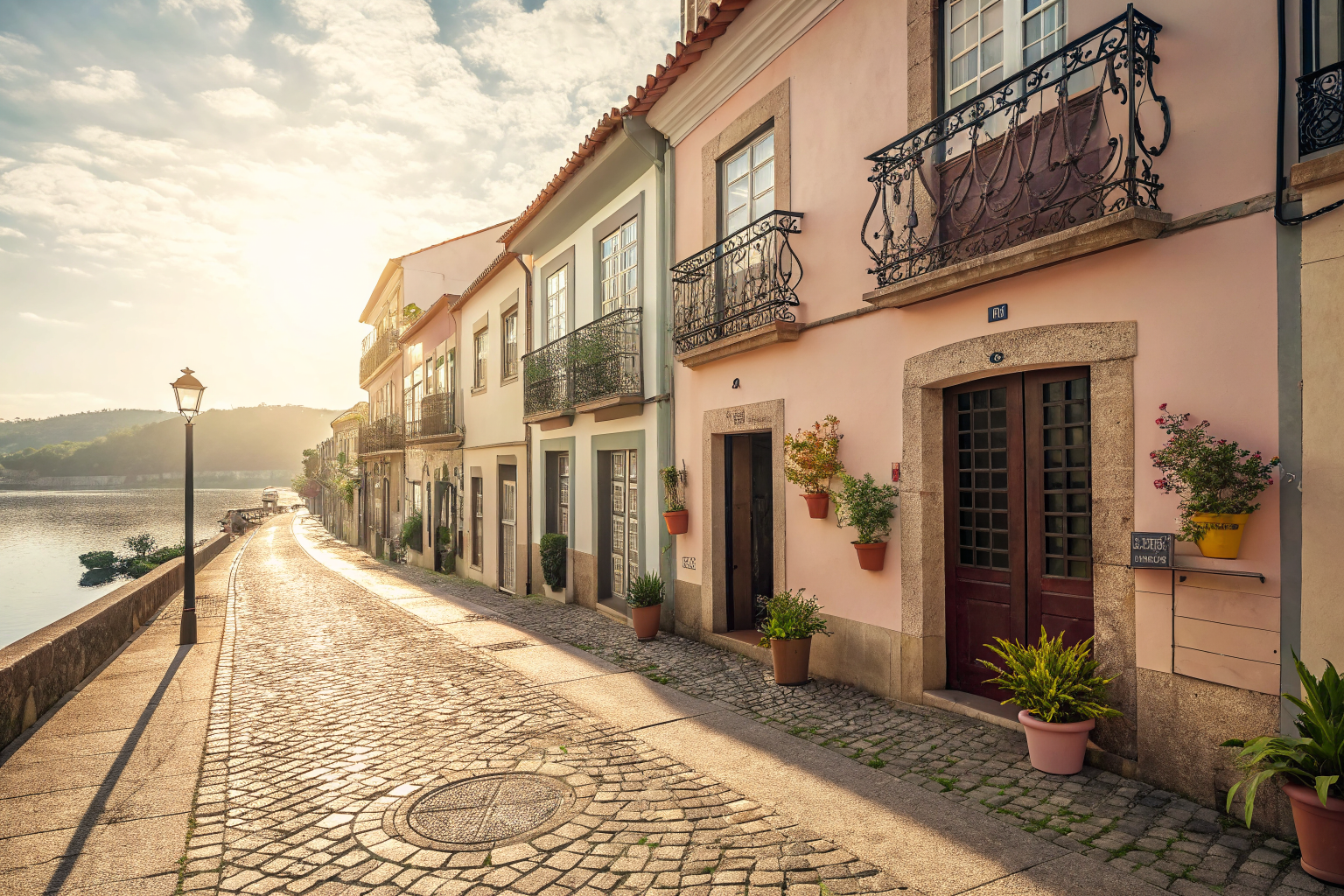
The portimao old town is the charming, historic center of the city, located along the Arade River estuary. It offers a peaceful contrast to the bustling beach resort of Praia da Rocha, featuring traditional architecture, cobbled streets, and a more authentic Portuguese atmosphere. Visitors often seek it out to experience local culture, enjoy traditional cuisine, and explore the city’s heritage away from the main tourist crowds.
Key Benefits at a Glance
- Authentic Atmosphere: Escape the bustle of the beach and experience genuine local life in quiet squares and traditional cafés.
- Superior Dining: Discover family-run restaurants serving fresh seafood and regional specialties at better value than tourist-heavy areas.
- Walkable Exploration: Easily navigate the compact, pedestrian-friendly streets on foot, from the riverside promenade to historic churches.
- Unique Shopping: Find local handicrafts, ceramics, and boutique goods instead of generic souvenirs found on the main strip.
- Rich Cultural Sights: Immerse yourself in history by visiting landmarks like the Igreja do Colégio and the award-winning Museu de Portimão.
Purpose of this guide
This guide is designed for travelers who want to discover the cultural heart of Portimão beyond its famous beaches. It solves the common problem of planning a meaningful visit to the old town, ensuring you don’t miss its best features. You will learn about key attractions, find recommendations for authentic local food, and get tips on how to best explore the riverside and historic streets. This information helps you avoid tourist traps and make the most of your time, creating a more memorable and authentic travel experience.
Introduction

When most travelers think of the Algarve, images of crowded beach resorts and tourist-packed promenades come to mind. But tucked away from the typical coastal chaos lies Portimão Old Town, a captivating slice of authentic Portugal that feels worlds apart from the region's commercialized destinations. Walking through its cobblestone streets for the first time, I was struck by how this historic center maintains its genuine Portuguese character while other Algarve towns have surrendered to mass tourism.
The contrast is immediate and refreshing. Instead of souvenir shops and international chain restaurants, you'll discover traditional tavernas where locals gather for grilled sardines and animated conversations in Portuguese. Rather than sterile hotel complexes, the old town reveals centuries-old buildings with hand-painted tiles and wrought-iron balconies that tell stories of maritime heritage and cultural pride.
This is the authentic Algarve experience that discerning travelers seek – a place where Portugal's rich cultural heart beats strongest, far from the artificial atmosphere of purpose-built beach resorts. Every corner of Portimão Old Town whispers of its transformation from a humble fishing village to an industrial sardine center, and finally to a destination that honors its past while embracing thoughtful tourism.
Understanding Portimão location history and character
Nestled along the banks of the Arade River in Portugal's western Algarve region, Portimão occupies a strategic position that has shaped its character for centuries. This isn't just another coastal town – it's a living testament to Portugal's maritime heritage, where the river meets the Atlantic in a dance that has sustained generations of fishermen, traders, and dreamers.
“Portimão was one of the largest towns on the Algarve Coast with a population of about 50,000.”
— Retired And Travelling, Unknown 2024
Source link
The town's evolution tells a fascinating story of adaptation and resilience. What began as a modest fishing settlement grew into one of Europe's most important sardine processing centers during the late 19th and early 20th centuries. The silvery fish that filled these waters didn't just feed the local population – they became the foundation of an industrial empire that put Portimão on the international map.
Walking through the old town today, you can still sense this industrial heritage in the solid stone buildings and wide streets designed to accommodate horse-drawn carts laden with fish. The Arade River wasn't just a pretty backdrop – it was the lifeline that allowed boats to bring their catch directly to the processing factories, creating a seamless operation that made Portimão wealthy and influential.
The transformation from industrial powerhouse to cultural destination has been remarkably gentle. Unlike other Portuguese coastal towns that experienced jarring shifts from traditional to touristic, Portimão has managed to preserve its authentic character while adapting to modern needs. The former sardine factories now house museums and cultural centers, the old warehouses have become charming restaurants, and the riverfront industrial areas have evolved into scenic promenades.
This careful evolution is what makes Portimão Old Town so compelling for travelers seeking genuine cultural experiences. The town hasn't abandoned its identity to chase tourist dollars – instead, it has found ways to share its rich heritage with visitors while maintaining the rhythms and traditions that have sustained it for generations.
Portimão vs Praia da Rocha understanding the difference
One of the biggest sources of confusion for first-time visitors is understanding that Portimão and Praia da Rocha are two entirely different experiences within the same municipality. This distinction is crucial for choosing the right base for your Algarve adventure, and frankly, most travel guides don't explain it clearly enough.
Portimão Old Town represents the authentic Portuguese urban experience – cobblestone streets, traditional architecture, local tavernas, and the genuine rhythm of Portuguese life. When you stay here, you're immersed in a community where residents have lived for generations, where morning coffee comes with conversations about local football matches, and where the evening passeio (stroll) is a cherished social ritual.
Praia da Rocha, on the other hand, is a purpose-built beach resort area located about 3 kilometers south of the old town. It's all about modern hotels, international cuisine, beach clubs, and the kind of vacation atmosphere that could exist anywhere in the Mediterranean. The contrast couldn't be more dramatic – it's like comparing a historic Portuguese village with a contemporary resort complex.
| Aspect | Portimão Old Town | Praia da Rocha |
|---|---|---|
| Atmosphere | Historic, authentic Portuguese | Modern beach resort |
| Accommodation | Boutique hotels, guesthouses | Large hotels, resorts |
| Dining | Traditional tavernas, local cuisine | International restaurants, beach bars |
| Activities | Cultural sites, walking tours | Beach activities, nightlife |
| Ideal for | Culture seekers, history buffs | Beach lovers, party-goers |
During my visits, I've stayed in both areas and can honestly say they serve completely different travel purposes. If you're seeking cultural immersion, architectural beauty, and authentic Portuguese experiences, the old town is your destination. If beach access, modern amenities, and resort-style relaxation are your priorities, Praia da Rocha delivers exactly that experience.
The beauty is that you don't have to choose exclusively – the areas are close enough to experience both during a single stay. However, understanding this fundamental difference will help you select accommodation and plan activities that align with your travel goals and preferences.
Getting to and around Portimão Old Town
Reaching Portimão Old Town is refreshingly straightforward, with Faro Airport serving as the primary gateway to the region. The 45-minute journey from airport to town center offers a pleasant introduction to the Algarve's rolling countryside, dotted with cork oaks and traditional white-washed villages that hint at the authentic experiences awaiting you.
Public transportation options from Faro Airport are reliable and economical. The express bus service provides direct connections to Portimão's central bus station, located within easy walking distance of the old town. During my first visit, I appreciated how this journey allowed me to decompress from travel while watching the landscape transform from airport industrial zones to rural Algarve beauty, and finally to Portimão's historic streets.
- Rental car from Faro Airport: 45 minutes, €25-40/day
- Express bus service: 1 hour 15 minutes, €4-6
- Private transfer: 45 minutes, €50-70
- Train to Portimão station + taxi: 1.5 hours total, €8-15
Once you arrive in Portimão Old Town, the compact historic center becomes your pedestrian playground. The cobblestone streets that characterize the area are both charming and challenging – they're beautiful to photograph and wonderful for creating that authentic Portuguese atmosphere, but they demand proper footwear and a measured pace.
I learned this lesson during my first evening stroll when I attempted to navigate the steep Rua Direita in leather dress shoes. The combination of smooth leather soles and centuries-old cobblestones created an impromptu sliding experience that was more adventure than I'd planned. Since then, I've always packed comfortable walking shoes with good grip for exploring Portuguese historic centers.
The old town's layout follows medieval patterns, with narrow streets radiating from central squares like Praça da República. This organic design means GPS can sometimes struggle with exact locations, but the area is small enough that getting lost becomes part of the discovery experience rather than a frustration. Most attractions are within a 10-minute walk of each other, making it easy to explore everything on foot during a single day or spread leisurely across multiple visits.
When to visit Portimão Old Town
Portimão Old Town reveals different personalities throughout the year, and timing your visit can dramatically influence your experience. The Algarve's Mediterranean climate ensures pleasant weather year-round, but each season offers distinct advantages for cultural exploration and authentic local encounters.
Summer months bring the warmest weather and longest days, perfect for extended evening strolls along the Ribeirinha waterfront. However, this is also when the town feels most tourist-influenced, with higher prices and busier restaurants. The famous Sardine Festival typically occurs in August, transforming the old town into a celebration of local culinary heritage with live music, traditional dancing, and, of course, endless platters of perfectly grilled sardines.
- Summer (Jun-Aug): Pros – Warm weather, festivals, long days | Cons – Crowds, high prices, heat
- Spring (Mar-May): Pros – Mild weather, fewer crowds, blooming flowers | Cons – Occasional rain, cooler evenings
- Fall (Sep-Nov): Pros – Perfect temperatures, harvest season, lower prices | Cons – Shorter days, some closures
- Winter (Dec-Feb): Pros – Lowest prices, authentic local life, mild climate | Cons – Limited hours, cooler weather
My personal favorite visiting periods are late spring and early autumn, when the weather remains beautiful but the pace feels more authentically Portuguese. During these shoulder seasons, you'll find locals reclaiming their town squares for evening conversations, restaurant owners having time for genuine interactions, and that unhurried atmosphere that makes cultural immersion possible.
Winter visits offer the most authentic experience of local life, when Portimão Old Town returns entirely to its residents. Restaurant conversations flow exclusively in Portuguese, morning markets bustle with locals selecting ingredients for family meals, and the evening passeio becomes a community ritual rather than a tourist spectacle. The mild Algarve winter means you can still enjoy outdoor dining and comfortable walking, just with slightly shorter days and the occasional need for a light jacket.
Exploring Portimão Old Town my favorite attractions
Portimão Old Town compresses centuries of Portuguese history into a wonderfully walkable area where every street corner reveals architectural treasures, cultural insights, and authentic local life. Unlike sprawling cities where attractions are scattered across vast distances, this historic center allows you to experience multiple layers of Portuguese heritage within a single afternoon stroll.
The compact nature of the old town means you can easily visit the Igreja do Colégio, admire the social rhythms of Praça da República, explore the industrial heritage at Museu de Portimão, and discover the spiritual heart of the community at Igreja Matriz – all within a comfortable walking distance that never feels rushed or overwhelming.
Portimão’s old town features quiet squares like Alameda da República, cobbled streets, whitewashed façades with antique tiles, and wrought-iron balconies around Igreja Matriz de Nossa Senhora da Conceição, blending Gothic, Manueline, and Baroque styles. Wander pedestrianised alleys like Rua Direita, past traditional cafés and century-old shops in the historic centre inland from the Arade River. Key sights include Igreja do Colégio with its 17th-century Baroque façade and the nearby municipal market offering fresh seafood. For deeper history, explore the city overview. Nearby, the Ribeirinha promenade connects to the marina. Learn about local heritage via museum exhibits.
What struck me most during my explorations was how each attraction tells part of a larger story about Portuguese identity, maritime heritage, and cultural resilience. The churches showcase the deep Catholic faith that has anchored Portuguese communities for centuries, the squares reveal the social customs that continue to bind neighbors together, and the museum preserves the industrial innovations that once made this small town internationally significant.
This interconnected narrative makes exploring Portimão Old Town feel like reading a fascinating book where each chapter builds upon the previous one, creating a comprehensive understanding of how Portuguese coastal communities have evolved while maintaining their essential character and traditions.
Churches and religious architecture I discovered
The religious architecture of Portimão Old Town tells the story of Portuguese faith, artistic achievement, and cultural identity through stone, tile, and sacred space. Igreja do Colégio and Igreja Matriz represent two distinct but complementary expressions of Portuguese Catholic heritage, each offering unique insights into the community's spiritual and artistic evolution.
Igreja do Colégio commands attention with its impressive baroque façade, a masterpiece of 17th-century Portuguese religious architecture. The church's exterior showcases the confident artistic expression of Portugal's golden age, when wealth from overseas territories funded elaborate religious construction projects. Stepping inside, I was struck by the intimate scale that contrasts beautifully with the grand exterior promise – this is architecture designed to inspire awe while maintaining human proportions.
The Igreja Matriz (Nossa Senhora da Conceição) reveals different layers of Portuguese architectural evolution. Originally constructed in the 14th century, the church bears traces of Gothic foundations overlaid with Manueline details that celebrate Portugal's Age of Discoveries. The distinctive twisted columns and maritime motifs carved into stone speak to a community whose identity was shaped by the sea and the adventures it enabled.
What makes visiting these churches particularly rewarding is experiencing them as living spaces rather than museum pieces. During my visits, I've witnessed baptisms, wedding preparations, and quiet moments of personal prayer that remind you these buildings continue serving their original purpose after centuries of faithful use. The worn stone steps, polished by countless footsteps, and the flickering votive candles create an atmosphere of continuity that connects contemporary Portimão with its historical roots.
The Manueline architectural elements found throughout both churches deserve special attention. This uniquely Portuguese style emerged during the reign of King Manuel I and celebrates the maritime discoveries that made Portugal wealthy and influential. Look for carved rope motifs, anchor symbols, and nautical decorations that transform religious architecture into celebrations of Portuguese seafaring achievements.
Squares and public spaces the heart of local life
The public squares of Portimão Old Town function as the community's living room, where generations of residents have gathered to share news, celebrate festivals, conduct business, and maintain the social bonds that define Portuguese neighborhood life. These spaces reveal how traditional Portuguese urban planning prioritized human interaction and community cohesion over mere functionality.
Praça da República serves as the undisputed heart of old town social life. The square's hand-painted tile benches aren't just decorative elements – they're carefully designed gathering spots where elderly residents arrive each morning for coffee and conversation, where teenagers meet after school, and where families converge for evening strolls. I've spent countless hours people-watching from these benches, observing the intricate social choreography that plays out daily in this public theater.
- Praça da República: Central square with tile-painted benches and café terraces
- Jardim 1º de Dezembro: Peaceful garden square with shade trees and local gatherings
- Praça 1º de Maio: Smaller plaza near Igreja Matriz with traditional Portuguese pavement
- Largo 1º de Dezembro: Historic square connecting to main pedestrian streets
The Jardim 1º de Dezembro offers a more intimate experience of Portuguese public life. This garden square provides shade trees and quiet corners where locals escape the afternoon heat while maintaining social connections. During my visits, I've noticed how residents use this space differently throughout the day – morning dog walkers, afternoon card players, evening families with young children – each group claiming temporary ownership while respecting the needs of others.
What fascinates me about these public spaces is their role in preserving Portuguese social customs that are disappearing in more modernized towns. The evening passeio (community stroll) continues here as it has for centuries, with families dressed in their best clothes taking slow, social walks that strengthen neighborhood relationships and maintain cultural traditions.
The traditional Portuguese pavement (calçada portuguesa) found throughout these squares deserves appreciation as both art form and functional design. The intricate patterns created with black and white limestone cubes aren't just decorative – they're designed to be comfortable for walking, provide good drainage, and create visual interest that encourages people to slow down and appreciate their surroundings.
Museu de Portimão my journey through local heritage
The Museu de Portimão occupies one of Portugal's most innovative museum spaces – a beautifully restored sardine processing factory that transforms industrial heritage into cultural treasure. Housed in the former La Rosé cannery, this museum doesn't just display artifacts; it preserves the actual machinery, work spaces, and industrial processes that made Portimão internationally significant during the golden age of Portuguese sardine processing.
“The La Rosé factory operated here from 1889 to the 1970s.”
— Algarve Tourist, 2026
Source link
Walking through the preserved processing lines, I was struck by the human scale of this industrial operation. These weren't massive, impersonal factories but carefully designed work spaces where generations of local families earned their livelihoods processing the silver treasures of the Atlantic. The museum's exhibits bring these workers' stories to life, explaining how entire neighborhoods organized their lives around the rhythms of fishing seasons and processing schedules.
The museum's archaeological section reveals Portimão Old Town's much deeper history, with Roman artifacts and medieval pottery that predate the sardine industry by centuries. However, it's the industrial heritage displays that make this museum truly special. You can see the original steam-powered machinery, examine the hand-soldered tin cans, and understand the precision required to transform fresh sardines into shelf-stable products that reached markets across Europe and beyond.
What makes the Museu de Portimão particularly compelling is how it connects industrial heritage to contemporary Portuguese identity. The sardine industry wasn't just about commerce – it created social structures, cultural traditions, and community pride that continue influencing Portimão today. The museum's exhibits explain how factory work songs became local folk traditions, how processing schedules shaped religious festivals, and how industrial prosperity funded the architectural improvements that make the old town so beautiful today.
Practical details enhance the visiting experience: the museum offers excellent audio guides in multiple languages, the restored factory spaces provide fascinating photo opportunities, and the riverside location means you can combine your museum visit with a stroll along the Ribeirinha waterfront. The moderate entry fee reflects the museum's quality and the extensive restoration work that made this transformation possible.
The riverfront my favorite walks along Portimão's historic connection to the sea
The Arade River has been Portimão's lifeline for over a millennium, and the modern Ribeirinha waterfront beautifully balances respect for this maritime heritage with contemporary recreational needs. Walking along these riverside promenades, you're tracing the same route that Roman traders, medieval fishermen, and industrial sardine processors used to connect this inland town with the wider Atlantic world.
The transformation of former industrial docks into scenic walking paths represents one of Portugal's most successful urban renewal projects. Where heavy machinery once loaded canned sardines onto cargo ships, families now enjoy evening strolls with stunning sunset views. The industrial cranes and warehouse foundations have been preserved as sculptural elements that remind visitors of the area's working heritage while creating interesting focal points for contemporary recreational use.
Portimão Old Town reveals different aspects of its character depending on your riverside walking route. The northern sections offer intimate views of traditional neighborhoods, with narrow streets descending directly to the water's edge and small boats moored at private docks that speak to continuing maritime traditions. The southern stretches provide broader vistas across the river toward Ferragudo, with its hilltop castle and traditional white-washed buildings creating perfect postcard compositions.
What I find most rewarding about these riverside walks is how they connect you to the natural rhythms that have sustained Portimão for centuries. The Arade River changes character with the tides, sometimes flowing swiftly toward the Atlantic, other times moving languidly between mudflats where herons and egrets hunt for fish. These tidal changes influenced every aspect of traditional Portimão life, from fishing schedules to factory operations to social customs.
The modern Ribeirinha infrastructure enhances rather than diminishes these natural experiences. Well-designed benches are positioned to capture the best river views, walking surfaces accommodate both casual strollers and serious joggers, and native plantings create habitat for wildlife while requiring minimal maintenance in the Mediterranean climate.
Finding the storks a unique wildlife experience in Portimão
One of Portimão Old Town's most delightful surprises is the thriving population of white storks that have claimed the area's highest buildings, church towers, and industrial structures as prime nesting real estate. These magnificent birds, with their impressive wingspans and distinctive black-tipped feathers, add an unexpected wildlife dimension to urban exploration that most visitors never anticipate.
The storks' presence in Portimão isn't accidental – it reflects the town's position along major European migration routes and the Algarve's rich wetland ecosystems that provide abundant feeding opportunities. During my visits, I've discovered that the best stork-watching opportunities occur along the Ribeirinha waterfront, where the birds often gather on construction cranes and bridge supports that offer commanding views of the river and surrounding countryside.
What makes stork-watching in Portimão particularly rewarding is observing their daily routines against the backdrop of Portuguese architecture and river landscapes. Early morning provides the most active viewing, when adult birds leave their nests to hunt in nearby marshlands while their young wait patiently on impossibly large stick platforms balanced atop church towers and historic buildings.
The storks' nesting behavior has become integrated into local culture in charming ways. Residents monitor particular nests year after year, celebrating successful broods and worrying during storms about the safety of "their" stork families. Some building owners have even installed platforms to encourage nesting, recognizing that these magnificent birds enhance the town's natural heritage and provide endless entertainment for both locals and visitors.
Photography enthusiasts will find stork-watching in Portimão particularly rewarding. The contrast between these wild birds and the historic Portuguese architecture creates striking visual compositions, especially during golden hour when warm light illuminates both white feathers and traditional tile roofs. The birds' tolerance for human presence means you can often approach quite close for detailed behavioral observations and memorable photographs.
My self guided walking tour of Portimão Old Town
Creating the perfect walking route through Portimão Old Town requires balancing must-see attractions with spontaneous discoveries, while respecting the cobblestone streets that demand comfortable footwear and a measured pace. This carefully tested itinerary connects all the essential cultural sites while allowing time for the kind of serendipitous encounters that make Portuguese travel so rewarding.
- Start at Museu de Portimão (30 minutes) – Former sardine factory with industrial heritage
- Walk to Praça da República (15 minutes) – Central square, perfect for coffee break
- Visit Igreja do Colégio (20 minutes) – Impressive baroque façade and interior
- Explore Igreja Matriz (15 minutes) – Main parish church with Manueline details
- Stroll Ribeirinha waterfront (30 minutes) – Scenic river views and stork spotting
- End at local restaurant (1 hour) – Traditional sardines and regional wine
The walking distances between stops are deliberately conservative, accounting for the slower pace that cobblestone navigation requires and the inevitable photo stops that Portuguese architecture and street scenes inspire. Starting at the Museu de Portimão provides historical context that enriches your understanding of everything you'll encounter during the subsequent walking tour.
The route from the museum to Praça da República takes you through some of the old town's most charming residential streets, where traditional Portuguese houses display beautiful tile work, wrought-iron balconies, and architectural details that reveal centuries of careful craftsmanship. This 15-minute walk often extends much longer as you discover hidden courtyards, admire doorway decorations, and perhaps exchange greetings with residents tending their window box gardens.
Igreja do Colégio and Igreja Matriz are positioned close enough for easy comparison of different Portuguese religious architectural styles, but far enough apart to provide pleasant walking through the historic center's commercial streets. These churches anchor the spiritual and social life of old town neighborhoods, and visiting both helps you understand how Portuguese Catholic traditions have adapted to changing times while maintaining essential character.
The concluding waterfront section along the Ribeirinha provides a perfect transition from cultural exploration to relaxation, with river views that put your old town discoveries into geographical context. This is where you'll likely encounter the storks mentioned earlier, and where sunset timing can transform a simple walk into a truly magical Portuguese experience.
Local gastronomy where I loved to eat in Portimão Old Town
The local cuisine of Portimão Old Town reflects centuries of maritime heritage, with sardines taking center stage in a culinary tradition that transforms simple ingredients into memorable dining experiences. The town's restaurants have preserved traditional preparation methods while adapting to contemporary expectations, creating dining opportunities that satisfy both cultural curiosity and gastronomic pleasure.
Sardines in Portimão aren't just food – they're cultural ambassadors that tell the story of Portuguese fishing traditions, family recipes, and community celebrations. The best local restaurants grill their sardines over charcoal fires that infuse the fish with subtle smokiness while preserving the natural flavors that made these waters famous throughout Europe. Watching the preparation process becomes part of the dining experience, as skilled cooks time each fish perfectly to achieve crispy skin and tender, flaky meat.
- Taberna da Maré: Grilled sardines and seafood cataplana, €15-25 per person
- Restaurante Sueste: Traditional Portuguese dishes, river views, €20-30 per person
- Tasca do Zé: Local taverna atmosphere, daily specials, €10-18 per person
- Adega Nortenha: Family-run restaurant, authentic recipes, €12-20 per person
Taberna da Maré exemplifies the kind of authentic dining experience that makes Portimão special. This family-run establishment occupies a converted warehouse space where exposed stone walls and maritime artifacts create atmosphere while the kitchen focuses entirely on traditional preparation methods. Their cataplana (a traditional copper cooking vessel) produces seafood stews that combine local fish, shellfish, and vegetables in aromatic broths that capture the essence of Algarve coastal cuisine.
The social aspect of dining in Portimão's traditional restaurants deserves appreciation. Meals here aren't rushed affairs but extended social experiences where conversation flows as freely as the regional wines. Restaurant owners often join tables for brief chats, sharing stories about ingredient sourcing, family recipes, and local fishing conditions that influence daily menu selections.
What distinguishes Portimão's restaurant scene from more touristic Algarve destinations is the continuing presence of local diners. Even in the most visitor-friendly establishments, you'll find Portuguese families celebrating special occasions, elderly residents enjoying their weekly dining out, and local business people conducting informal meetings over traditional meals. This authentic local presence ensures that restaurants maintain quality standards and cultural authenticity rather than catering exclusively to tourist expectations.
Seafood restaurants along Portimão’s riverfront showcase the western Algarve’s culinary traditions, with grilled sardines and cataplana reflecting Atlantic influences.
Street art and modern culture I found in Portimão
Portimão Old Town surprises visitors with vibrant contemporary cultural expressions that complement rather than compete with its historic character. The street art scene here reflects Portuguese creativity and cultural pride, with murals and installations that celebrate local identity while engaging with broader European artistic movements.
The most striking example is the large-scale football mural (Grafiti Mural da Seleção) that transforms a prominent wall into a celebration of Portuguese national team achievements. This artwork demonstrates how contemporary Portuguese artists use public spaces to express cultural pride and community identity, creating visual landmarks that residents and visitors alike appreciate and photograph.
What makes Portimão's street art particularly interesting is how artists incorporate traditional Portuguese design elements – azulejo tile patterns, maritime motifs, and historical references – into contemporary artistic expressions. These works don't reject the town's heritage but reinterpret it for new generations, creating visual conversations between past and present that enrich the cultural landscape.
The positioning of these artworks throughout the old town creates an informal cultural trail that encourages exploration beyond the main tourist attractions. Discovering a beautiful mural tucked into a quiet residential street or finding artistic installations in unexpected courtyards adds layers of surprise and discovery to routine walking tours.
Local cultural initiatives extend beyond street art to include small galleries, artisan workshops, and cultural events that showcase contemporary Portuguese creativity. These venues often occupy repurposed historic buildings, creating interesting architectural conversations between traditional Portuguese construction and modern artistic needs. The result is a cultural scene that feels authentically Portuguese rather than generically European.
Beaches near Portimão Old Town my recommendations
While Portimão Old Town offers rich cultural experiences, the nearby beaches provide essential Algarve coastal beauty that complements rather than competes with urban exploration. Praia da Rocha leads the beach options with its dramatic cliff formations, extensive sand areas, and comprehensive facilities that cater to diverse beach preferences.
Praia da Rocha deserves its reputation as one of the Algarve's most spectacular beaches, with golden limestone cliffs creating natural amphitheaters around expansive sandy areas. The beach's proximity to Portimão Old Town (about 3 kilometers) makes it easily accessible by public transport, taxi, or pleasant walking for those who enjoy longer strolls. The contrast between historic cobblestone streets and contemporary beach resort atmosphere provides interesting cultural variety within a single destination.
Praia dos Três Castelos offers a more intimate beach experience, with smaller crowds and dramatic rock formations that create natural privacy and photographic opportunities. This beach appeals particularly to visitors seeking scenic beauty over extensive facilities, with clear waters ideal for swimming and snorkeling among the rocky areas that give the beach its name.
Praia do Vau provides family-friendly beach experiences with calmer waters and gentle access that accommodates visitors of all ages and swimming abilities. The beach's position within a protected cove creates more stable conditions than the open Atlantic beaches, making it particularly attractive during windier periods when other beaches might feel less comfortable.
The practical aspects of beach access from Portimão Old Town deserve consideration. Public buses provide regular service to the main beaches during tourist season, with reduced schedules during winter months. Walking to beaches becomes part of the cultural experience, taking you through residential neighborhoods where you can observe daily Portuguese life beyond the tourist areas.
Each beach offers different amenities and atmospheres, from the full resort experience at Praia da Rocha with its restaurants, bars, and water sports facilities, to the more natural settings at smaller beaches where you'll need to bring your own refreshments and entertainment. This variety ensures that beach lovers can find experiences that match their preferences while maintaining Portimão Old Town as their cultural base.
Portimão’s riverfront location provides easy access to the dramatic cliffs and surf beaches of the western Algarve, perfect for day escapes from the old town.
Using Portimão as my base day trips and excursions
Portimão's central location in the western Algarve makes it an ideal base for exploring the region's diverse attractions, from medieval hilltop towns to dramatic coastal formations. The town's excellent transportation connections and authentic Portuguese character provide a perfect home base that combines cultural immersion with convenient access to day trips throughout southern Portugal.
Silves represents the most historically significant day trip option, with its red stone castle and cathedral creating one of Portugal's most impressive medieval townscapes. The 20-minute drive from Portimão takes you inland through cork oak forests and traditional agricultural landscapes that reveal the Algarve's non-coastal character. Silves' Moorish heritage and Christian reconquest history provide fascinating contrasts to Portimão's maritime and industrial story.
- Silves: 20 minutes by car – Moorish castle, cathedral, cork museum
- Lagos: 30 minutes by car – Ponta da Piedade cliffs, historic center, beaches
- Alvor: 15 minutes by car – Traditional fishing village, boardwalk, lagoon
- Ferragudo: 10 minutes by car – Charming riverside village, castle ruins, local restaurants
Lagos offers the perfect combination of historical significance and natural beauty, with the dramatic cliff formations at Ponta da Piedade ranking among Europe's most photographed coastal landscapes. The town's role in Portuguese maritime exploration provides educational opportunities that complement Portimão's industrial heritage, while the stunning beaches and hidden coves satisfy desires for natural beauty and outdoor recreation.
Alvor maintains traditional Portuguese fishing village character that has largely disappeared from more developed coastal areas. The town's lagoon ecosystem supports diverse bird life and provides peaceful walking opportunities, while the traditional restaurants serve some of the region's most authentic seafood prepared according to generations-old family recipes.
The proximity of Ferragudo makes it perfect for shorter excursions or evening dining adventures. This riverside village offers spectacular sunset views across the Arade River toward Portimão, creating romantic dining opportunities in traditional restaurants that specialize in fresh fish and regional wines. The village's castle ruins provide historical context while the narrow streets reward leisurely exploration.
Using Portimão as your base for these day trips provides several advantages over staying in more touristy locations. You return each evening to authentic Portuguese urban life, with local restaurants, genuine cultural experiences, and the kind of neighborhood atmosphere that helps you understand contemporary Portuguese society beyond the tourism industry.
From Portimão, short drives reach vibrant Albufeira’s nightlife or the charming whitewashed streets of Ferragudo, offering variety for different travel moods.
Hiking and nature experiences from my Portimão base
The Algarve's diverse landscapes provide excellent hiking opportunities accessible from Portimão, ranging from coastal cliff walks to inland forest trails that reveal the region's surprising ecological diversity. These natural experiences complement the cultural attractions of the old town while providing physical activity and scenic beauty that enhance any Portuguese adventure.
The coastal trail to Ponta João de Arens offers one of the most rewarding hikes accessible from Portimão, with dramatic cliff-top views and secluded beaches that can only be reached on foot. This moderate difficulty trail takes you through Mediterranean scrubland where wild herbs perfume the air and native plants create colorful displays during spring months. The trail's endpoint provides spectacular Atlantic views and pristine beaches perfect for swimming and relaxation.
The famous Seven Hanging Valleys Trail (Percurso dos Sete Vales Suspensos) can be accessed from Portimão via short car journey to the trailhead near Carvoeiro. This internationally recognized coastal walk showcases the Algarve's most dramatic cliff formations, hidden beaches, and unique limestone geology through well-maintained paths that accommodate various fitness levels.
Inland hiking opportunities include cork oak forests and traditional agricultural landscapes that reveal the Algarve's rural character. These trails provide opportunities to encounter traditional Portuguese rural life, observe native wildlife, and experience the peaceful countryside that exists just minutes from coastal tourist areas.
Practical hiking considerations include bringing adequate sun protection, plenty of water, and insect repellent during warmer months when mosquitoes and other biting insects can be problematic in certain areas. The Mediterranean climate means hiking is possible year-round, but summer afternoons can be uncomfortably hot for strenuous outdoor activities.
The combination of coastal and inland hiking options accessible from Portimão provides variety that prevents outdoor activities from becoming repetitive. You can alternate between dramatic ocean views and peaceful forest experiences, challenging cliff walks and gentle countryside strolls, all while returning to the cultural richness and authentic dining experiences that make Portimão Old Town such a rewarding base for extended stays.
Where to stay my accommodation recommendations for Portimão Old Town
Choosing accommodation in Portimão Old Town versus other areas significantly impacts your Portuguese cultural experience, with historic center locations providing authentic neighborhood atmosphere while marina and Praia da Rocha options offer modern amenities and beach access. Understanding these location differences helps you select lodging that matches your travel priorities and cultural interests.
Portimão Old Town accommodations typically occupy converted historic buildings or purpose-built boutique hotels that respect traditional Portuguese architectural styles. These properties provide immediate access to cultural attractions, traditional restaurants, and authentic local life, but often feature limited parking and the charming inconveniences of historic building infrastructure.
| Location | Price Range | Pros | Cons |
|---|---|---|---|
| Old Town Center | €60-120/night | Walking distance to attractions, authentic atmosphere | Limited parking, can be noisy |
| Marina Area | €80-150/night | Modern amenities, waterfront views, restaurants | Less historic character, touristy |
| Praia da Rocha | €70-200/night | Beach access, nightlife, resort facilities | Far from old town, crowded in summer |
The marina area represents a middle-ground option, offering modern hotel amenities and convenient parking while maintaining reasonable access to old town cultural attractions. These properties often feature waterfront views and contemporary Portuguese design that appeals to travelers seeking comfort without sacrificing all cultural authenticity.
Praia da Rocha accommodations cater primarily to beach-focused vacations, with large resort hotels offering comprehensive facilities but limited cultural immersion opportunities. Staying here means daily transportation to experience Portimão Old Town's attractions, restaurants, and authentic Portuguese atmosphere.
During my various visits, I've experienced accommodations in all three areas and can honestly recommend old town locations for travelers prioritizing cultural experiences over resort amenities. The ability to step outside your hotel directly into authentic Portuguese street life, walk to traditional restaurants for breakfast, and experience the evening social rhythms of local neighborhoods creates immersive experiences that justify any minor inconveniences of historic building accommodations.
Budget considerations should include transportation costs if you choose accommodation outside the old town, as well as dining price differences between tourist-oriented and local establishments. Staying in the historic center often provides overall value despite higher accommodation rates, as you'll spend less on transportation and have access to authentic restaurants with lower prices than resort-area establishments.
My practical tips for enjoying Portimão Old Town
Portimão Old Town rewards prepared visitors who understand local customs, practical realities, and cultural expectations that enhance rather than hinder authentic Portuguese experiences. These insider insights, learned through multiple visits and occasional mistakes, help you navigate the town like an informed traveler rather than an obvious tourist.
- Wear comfortable walking shoes for cobblestone streets
- Visit churches in late afternoon for best lighting and fewer crowds
- Bring cash – many small restaurants don’t accept cards
- Learn basic Portuguese greetings – locals appreciate the effort
- Shop at municipal market on Saturday mornings for local products
- Book restaurant tables for dinner, especially on weekends
The cobblestone streets that create Portimão's authentic Portuguese atmosphere can be challenging for inappropriate footwear. Leather-soled dress shoes, high heels, and smooth-soled sneakers become slippery hazards on these historic surfaces, especially when wet. Comfortable walking shoes with good traction transform potential frustrations into pleasant discoveries as you confidently explore narrow streets and steep inclines.
Portuguese social customs around dining and business hours differ significantly from Northern European and American expectations. Lunch typically occurs between 12:30 and 2:30 PM, with many establishments closing afterward until evening service begins around 7:30 PM. Dinner reservations become essential on weekends when local families and couples claim their favorite restaurant tables for extended social meals.
The Portugal cash culture persists in traditional establishments, particularly family-run restaurants and small shops that form the backbone of old town commerce. While larger businesses accept credit cards, carrying sufficient cash ensures you can enjoy authentic dining experiences and support local merchants who maintain traditional business practices.
Algarve shopping opportunities extend beyond tourist souvenirs to include local products that reflect regional culture and craftsmanship. The Saturday morning municipal market offers fresh produce, regional cheeses, traditional pastries, and handicrafts created by local artisans. These markets provide cultural experiences and practical shopping opportunities while supporting the local economy.
Language considerations significantly impact your cultural experiences in Portimão Old Town. While younger Portuguese generally speak excellent English, older residents and traditional business owners often appreciate visitors who attempt basic Portuguese greetings and courtesy phrases. Simple efforts like "Bom dia" (good morning) and "Obrigado/Obrigada" (thank you) create positive interactions and demonstrate cultural respect.
Why I think Portimão Old Town deserves your visit
Portimão Old Town represents everything that makes Portugal culturally compelling – authentic heritage preserved without artificial tourist packaging, genuine community life that welcomes respectful visitors, and layers of history that reward curious exploration. In an Algarve increasingly dominated by resort developments and mass tourism, this historic center maintains the cultural integrity that makes travel truly enriching rather than merely recreational.
The town's transformation from industrial sardine center to cultural destination demonstrates Portuguese ingenuity in preserving heritage while adapting to contemporary needs. Unlike destinations that abandoned their identity to chase tourism revenue, Portimão has found ways to share its authentic character while maintaining the social customs, architectural integrity, and cultural traditions that make it genuinely Portuguese.
What sets Portimão Old Town apart from better-known Portuguese destinations is its lack of pretension and tourist performance. This isn't a place that exists primarily for visitors – it's a living community that happens to welcome travelers interested in authentic cultural experiences. The difference is profound and immediately apparent in everything from restaurant conversations to architectural preservation to the rhythms of daily life.
My multiple visits to Portimão have consistently reinforced my conviction that this represents the kind of travel experience that creates lasting memories and genuine cultural understanding. Instead of checking attractions off a tourist list, you'll find yourself drawn into Portuguese community life, discovering family restaurants that become personal favorites, and developing appreciation for cultural subtleties that mass tourism destinations can't provide.
The compact nature of the old town makes it accessible to travelers with limited time, while the depth of cultural experiences rewards extended stays that allow for gradual discovery and genuine local connections. Whether you're seeking a day of authentic Portuguese culture during a longer Algarve beach vacation or planning an immersive cultural experience, Portimão Old Town delivers experiences that justify the journey and linger in memory long after you've returned home.
Frequently Asked Questions
Portimao Old Town offers a variety of activities, including wandering through its historic streets filled with colorful buildings and local shops. You can enjoy riverside walks along the Arade River, sample traditional Portuguese dishes at cozy cafes, and explore nearby markets for fresh produce and crafts. It’s an ideal spot to immerse yourself in Algarve’s authentic culture and relax in a scenic environment.
The best activities in Portimão’s Old Town and riverfront include strolling along the picturesque promenade, visiting charming squares like Largo da Barca, and taking boat tours on the Arade River. Don’t miss exploring the vibrant street art, dining on fresh seafood at riverside restaurants, or attending local festivals for a taste of community spirit. These experiences highlight the area’s blend of history, nature, and modern leisure.
Portimao Old Town has roots dating back to Roman times when it was known as Portus Hannibalis, serving as a key port for trade and fishing. The area flourished in the 19th century with the sardine canning industry, which shaped its economy and architecture, though it was impacted by the 1755 earthquake. Today, its preserved historic buildings reflect this maritime heritage and evolution into a modern tourist destination.
The Museu de Portimão is a fascinating museum located in a restored sardine canning factory, dedicated to the region’s industrial and maritime history. It features exhibits on underwater archaeology, local fishing traditions, and interactive displays about Portimão’s past. You should visit to gain insights into the Algarve’s heritage, view unique artifacts from shipwrecks, and appreciate its role in preserving cultural stories.
You can reach Portimao Old Town easily by train from major cities like Lisbon or Faro, with the station just a short walk away. Driving via the A22 highway is straightforward, and local buses connect from nearby areas like Praia da Rocha. For international visitors, flying into Faro Airport and taking a transfer or rental car is a convenient option, typically taking about 45 minutes.
