
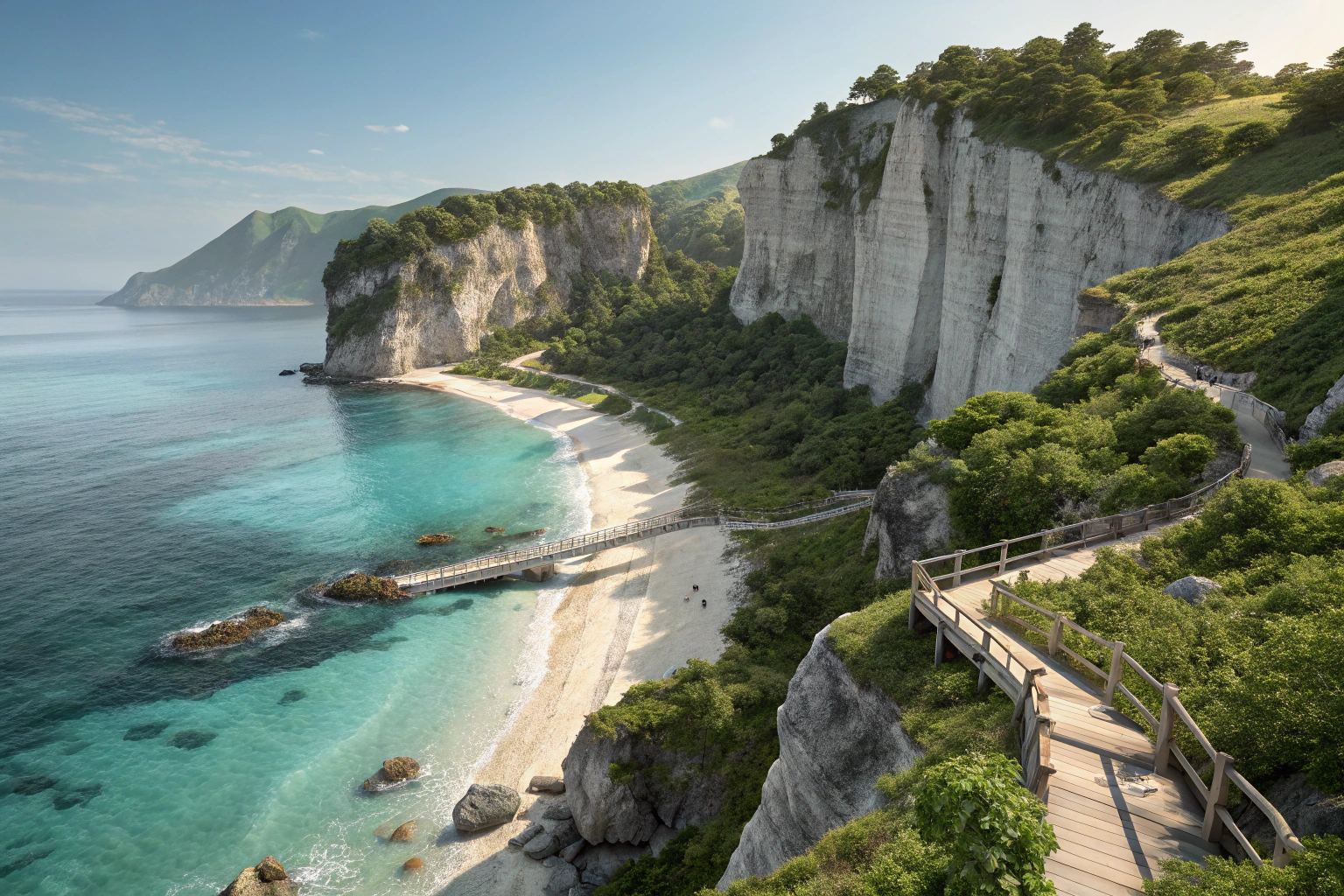
The things to do in uluwatu bali range from watching ancient cultural performances to surfing legendary waves along its stunning limestone cliffs. Located on Bali’s southern Bukit Peninsula, Uluwatu is famous for its dramatic ocean views, sacred temples, and upscale clifftop clubs. Visitors come seeking a mix of spiritual enrichment, beach relaxation, and vibrant nightlife, making it a must-visit destination on the island.
Key Benefits at a Glance
- Cultural Immersion: Watch the mesmerizing Kecak fire dance at the Uluwatu Temple, a dramatic performance set against a stunning sunset backdrop.
- World-Class Surfing: Ride or watch surfers tackle legendary waves at iconic spots like Uluwatu Main Break, Padang Padang, and Bingin Beach.
- Unforgettable Sunsets: Experience golden hour from a clifftop bar or restaurant, offering panoramic views of the Indian Ocean.
- Beautiful Beaches: Discover hidden coves and pristine white-sand beaches perfect for swimming, sunbathing, and exploring unique rock formations.
- Vibrant Social Scene: Enjoy everything from laid-back beach bonfires to sophisticated DJ sets at the area’s famous day clubs and bars.
Purpose of this guide
This guide is for any traveler planning a trip to Uluwatu, whether you are a first-time visitor, a seasoned surfer, or a couple seeking a romantic getaway. It solves the challenge of prioritizing activities in a region packed with diverse options. Here, you will learn how to balance iconic cultural experiences with relaxing on secluded beaches and enjoying the vibrant social scene. Following this overview helps you build a well-rounded itinerary, avoid missing out on key attractions, and make the most of your time in this beautiful corner of Bali.
Understanding Uluwatu location and overview

Perched dramatically on Bali's southernmost tip, Uluwatu represents one of Indonesia's most spectacular coastal destinations. This clifftop paradise sits on the Bukit Peninsula, a limestone plateau that juts into the Indian Ocean like a natural fortress. Unlike the bustling beaches of Kuta or the cultural heart of Ubud, Uluwatu offers visitors a more secluded and pristine experience, where towering cliffs meet pristine white-sand beaches in breathtaking fashion.
The peninsula's unique geography creates an otherworldly landscape that feels distinctly different from the rest of Bali. Massive limestone cliffs rise more than 70 meters above the crashing waves below, carved by centuries of ocean erosion into dramatic formations. These geological wonders provide not only stunning scenery but also create the protected coves and hidden beaches that make Uluwatu so special.
- Uluwatu sits on Bali’s southernmost Bukit Peninsula
- Dramatic limestone cliffs rise 70+ meters above the ocean
- Closest major destination to Ngurah Rai Airport
- More secluded and pristine than northern Bali beaches
What makes Uluwatu particularly appealing to travelers is its accessibility combined with its sense of remoteness. Located just 20-30 minutes from Ngurah Rai International Airport, it serves as an ideal first or last stop for visitors to Bali. Yet despite this convenience, the area maintains an unspoiled character that transports you far from the commercial hustle of other tourist zones.
| Feature | Uluwatu | Kuta/Seminyak | Ubud |
|---|---|---|---|
| Landscape | Limestone cliffs | Flat beaches | Rice terraces |
| Atmosphere | Secluded, dramatic | Busy, commercial | Cultural, inland |
| Beach Access | Cliff steps | Direct access | No beaches |
| Airport Distance | 20-30 minutes | 10-15 minutes | 60-90 minutes |
The evolution of Uluwatu over the past decade has been remarkable to witness. What once required local knowledge to find has gradually become more accessible, with improved roads and better signage. However, the area has managed to retain its authentic charm and natural beauty, largely due to the challenging terrain that naturally limits overdevelopment.
The best beaches in Uluwatu
Uluwatu's coastline harbors some of Bali's most extraordinary beaches, each carved into the limestone cliffs like hidden gems waiting to be discovered. What sets these beaches apart isn't just their pristine white sand and crystal-clear waters, but the unique adventure required to reach them. Unlike the easily accessible shores elsewhere in Bali, Uluwatu's beaches demand a journey down steep cliff paths, narrow staircases, and sometimes precarious rocky trails.
This challenging access acts as a natural filter, creating an atmosphere of exclusivity and tranquility that's increasingly rare in modern Bali. The reward for your effort is beaches that feel almost private, surrounded by towering limestone walls that create natural amphitheaters of stunning beauty.
- Bring water shoes for rocky beach access paths
- Visit early morning or late afternoon to avoid crowds
- Pack light as you’ll need to carry everything down cliff steps
- Check tide schedules — some beaches disappear at high tide
The diversity of beach experiences in Uluwatu is remarkable. From the famous surf breaks that attract professional wave riders from around the world to secluded coves perfect for peaceful contemplation, each beach offers its own character and attractions. The marine environment here is particularly rich, with excellent snorkeling opportunities and diverse sea life thriving in the protected waters between the cliffs.
| Beach | Sand Color | Wave Type | Crowd Level | Best For | Access Difficulty |
|---|---|---|---|---|---|
| Padang Padang | White | Moderate | High | Swimming, Photos | Easy |
| Bingin | White | Strong | Medium | Surfing, Sunset | Moderate |
| Suluban | White | Strong | Low | Surfing, Solitude | Difficult |
| Green Bowl | White | Moderate | Very Low | Privacy, Snorkeling | Very Difficult |
| Melasti | White | Gentle | Medium | Families, Swimming | Easy |
What strikes visitors most about Uluwatu's beaches is how each one feels like a discovery. The journey down cliff paths creates anticipation, and the reveal of each pristine cove feels like uncovering a secret. This sense of exploration and reward is what makes beach hopping in Uluwatu such a memorable experience, far removed from the predictable comfort of resort beaches elsewhere.
Cultural and spiritual experiences in Uluwatu
Beyond its natural beauty, Uluwatu holds profound significance within Bali's spiritual landscape as one of the island's most sacred directional temples. The area serves as a living testament to Balinese Hindu traditions that have flourished here for over a thousand years. For visitors seeking authentic cultural experiences, Uluwatu offers unique opportunities to witness and respectfully participate in centuries-old spiritual practices while surrounded by one of nature's most dramatic settings.
The combination of sacred clifftop temples, private beaches, and sunset Kecak dances makes Uluwatu a powerful setting for couples looking to deepen their connection—perfectly suited for a meaningful baecation.
The cultural richness of Uluwatu extends far beyond its famous temple. Traditional ceremonies, artistic performances, and spiritual practices continue to thrive in this clifftop sanctuary. The famous Kecak fire dance performances that take place here aren't merely tourist entertainment but represent genuine expressions of Balinese spiritual and artistic heritage, performed by local communities who maintain these traditions as living cultural practices.
- DO dress modestly when visiting temples
- DO hire a sarong if you don’t have appropriate clothing
- DON’T point your feet toward temple structures
- DON’T take photos during active prayer ceremonies
- DO participate respectfully in cultural performances
- DON’T feed or provoke the temple monkeys
What makes Uluwatu's cultural offerings particularly special is their authentic integration with the natural environment. Unlike cultural shows in more commercialized areas, the spiritual experiences here feel genuine and connected to their original purposes. The temple complex itself remains an active place of worship for local Balinese communities, with daily ceremonies and regular festivals that visitors can observe and learn from.
The relationship between the sacred and the spectacular reaches its peak during sunset hours, when the temple's spiritual energy combines with nature's daily light show to create moments of transcendent beauty. This is when Uluwatu reveals itself not just as a tourist destination, but as a place where the physical and spiritual worlds intersect in profound ways.
Uluwatu Temple (Pura Luhur Uluwatu)
Standing majestically on a 70-meter cliff overlooking the Indian Ocean, Uluwatu Temple represents one of Bali's most important spiritual sites and certainly its most dramatically positioned. As one of the Sad Kahyangan temples that protect Bali from evil spirits, Pura Luhur Uluwatu holds special significance in Balinese Hindu cosmology as a guardian of the island's southwestern direction.
«Uluwatu Temple (Pura Luhur Uluwatu) is one of six key temples believed to be Bali’s spiritual pillars, is renowned for its magnificent location, perched on top of a steep cliff approximately 70 metres.»
— TripAdvisor, 2025
Source link
The temple's architecture beautifully integrates with its clifftop setting, with ancient coral stone structures that seem to grow organically from the limestone bedrock. Dating back to the 11th century, the temple has been carefully maintained and expanded over the centuries while preserving its original spiritual essence and architectural integrity.
| Detail | Information |
|---|---|
| Entry Fee | IDR 30,000 (adults) |
| Opening Hours | 7:00 AM — 7:00 PM |
| Kecak Dance | 6:00 PM daily (IDR 100,000) |
| Best Sunset Time | 6:00-6:30 PM |
| Sarong Rental | IDR 10,000 |
| Parking Fee | IDR 5,000 (motorbike) |
Visitors must be prepared for encounters with the temple's famous macaque population, which has become as much a part of the Uluwatu experience as the temple itself. These clever primates have learned to interact with tourists in ways that can be both entertaining and challenging, requiring visitors to take specific precautions with their belongings.
- Secure all loose items — monkeys will grab bags, sunglasses, and food
- Don’t wear dangling jewelry or carry plastic bags
- Keep a firm grip on cameras and phones
- Avoid direct eye contact with aggressive monkeys
The optimal temple experience combines spiritual appreciation with practical timing. The interplay between the temple's sacred atmosphere and the natural beauty of sunset creates moments of genuine transcendence that justify Uluwatu's reputation as one of Bali's most moving destinations.
- Arrive 30 minutes before sunset for best positioning
- Rent sarong at entrance if needed for temple dress code
- Explore temple grounds and cliff viewpoints
- Secure belongings before monkey encounters
- Find sunset viewing spot on western cliff edge
- Stay for Kecak fire dance performance after sunset
The evening Kecak fire dance performances add another dimension to the temple experience, combining ancient Balinese storytelling traditions with the dramatic clifftop setting. These performances, featuring dozens of local men chanting in hypnotic rhythms around a central fire, create an atmosphere that connects visitors to Bali's deepest cultural roots.
Frequently Asked Questions
Uluwatu offers thrilling activities like surfing at world-class breaks such as Padang-Padang and exploring the dramatic cliffs. Visitors can watch the mesmerizing Kecak dance at Uluwatu Temple during sunset, which combines culture and stunning views. Don’t miss relaxing on pristine beaches or enjoying fresh seafood at beachside warungs.
Uluwatu is renowned for its stunning clifftop temple, Pura Luhur Uluwatu, perched on a 70-meter cliff overlooking the ocean. It’s also famous for epic surfing spots that attract wave riders from around the globe. The area is known for its vibrant sunsets and the traditional Kecak fire dance performances.
Absolutely, Uluwatu is worth visiting for its breathtaking coastal scenery, beautiful beaches, and rich cultural experiences like temple visits. It’s a paradise for surfers and nature lovers seeking a mix of adventure and relaxation away from Bali’s busier areas. The unique blend of spirituality, surf culture, and luxury resorts makes it a standout destination.
Two to three days in Uluwatu is typically enough to explore the main attractions like the temple, beaches, and surf spots. If you’re into surfing or want a more relaxed vibe, extending to four or five days allows for deeper immersion and day trips to nearby areas. It depends on your interests, but it’s easy to combine with other Bali spots for a fuller itinerary.
Top beaches in Uluwatu include Padang-Padang Beach, known for its golden sands and surf waves, and Dreamland Beach with its wide shores and clear waters. Suluban Beach, or Blue Point, offers a hidden cave entrance and stunning views, ideal for photography. Bingin Beach is a favorite for its relaxed vibe and consistent breaks for surfers.
The best time to visit Uluwatu is during the dry season from April to October, when weather is sunny and ideal for beach activities and surfing. July and August are peak months with great waves but more crowds. Avoid the rainy season from November to March if you prefer fewer showers, though it’s still possible to enjoy indoor cultural experiences.
