
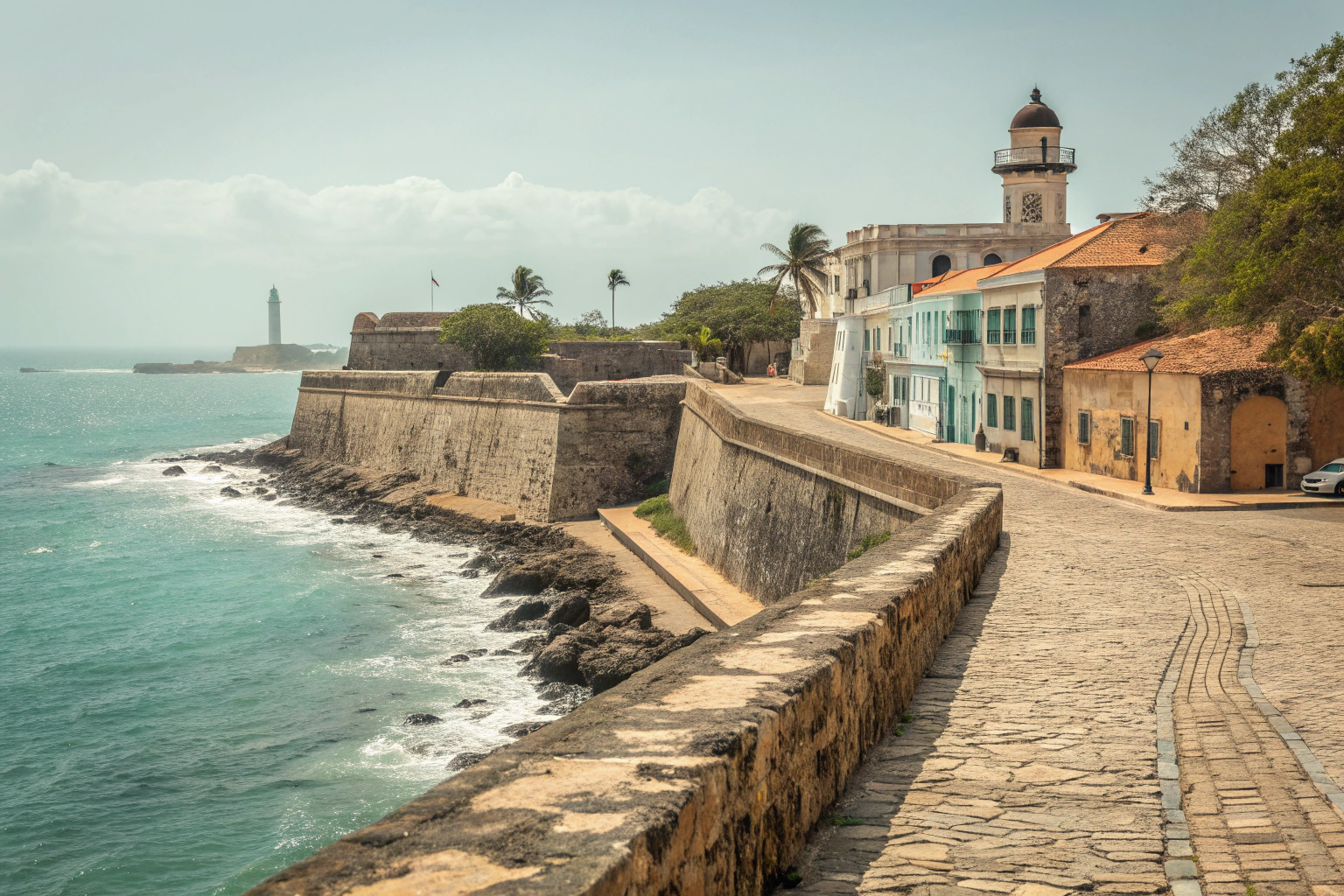
The best things to do in Galle Sri Lanka center around its stunning UNESCO World Heritage site, the Galle Fort. This coastal city offers a unique blend of Dutch colonial architecture, vibrant cafes, and boutique shops, all enclosed within ancient ramparts overlooking the Indian Ocean. Visitors can explore historic buildings, watch cliff divers leap from the ramparts, or relax on nearby golden beaches, making it a wonderful stop for history buffs and beach lovers alike.
Key Benefits at a Glance
- Benefit 1: Walk the historic Galle Fort walls and explore its charming cobblestone streets for free, offering a budget-friendly core experience.
- Benefit 2: Enjoy a rich variety of activities, from cultural sightseeing and boutique shopping to relaxing on nearby Unawatuna Beach.
- Benefit 3: Discover most major attractions within the compact and highly pedestrian-friendly Galle Fort, saving you time and transport costs.
- Benefit 4: Serve as an excellent base for day trips to nearby attractions like jungle beaches, sea turtle hatcheries, and whale watching tours.
- Benefit 5: Immerse yourself in history by exploring beautifully preserved colonial architecture and observing traditional stilt fishermen at sunset.
Purpose of this guide
This guide is for travelers planning their visit to Galle, whether for a day trip or a longer stay. It solves the challenge of deciding what to prioritize in a city packed with history, culture, and coastal beauty. You will learn how to efficiently structure your day to see key attractions like the Galle Lighthouse and Dutch Reformed Church, discover hidden cafes, and avoid common mistakes like overpaying. This ensures you can create a memorable and stress-free itinerary that captures the true essence of this unique city.
Introduction to Galle: The gem of Sri Lanka’s south coast

Standing at the entrance of Galle Fort for the first time, I was immediately struck by the seamless blend of European colonial architecture and tropical South Asian atmosphere. This UNESCO World Heritage Site represents something truly unique – a living, breathing piece of history where families still call the ancient ramparts home, and where centuries-old Dutch Reformed churches stand alongside bustling Sri Lankan markets.
Galle has served as a vital trading port for over 2,000 years, attracting merchants from Arabia, India, China, and eventually European colonizers. The Portuguese first fortified this strategic location in the 16th century, but it was the Dutch who transformed Galle into the architectural masterpiece we see today. Walking through these cobblestone streets, you’re experiencing layers of history – Portuguese foundations, Dutch refinements, and British additions, all wrapped in the warm embrace of Sri Lankan culture.
What sets Galle apart from other destinations along Sri Lanka’s southern coast is its authentic lived-in quality. Unlike many historical sites that feel like museums, Galle Fort pulses with daily life. Children play cricket in the squares where Dutch governors once walked, while local fishermen still cast their nets from the same ramparts that once protected against maritime invasions.
«Galle is the best representation of a fortified city built by the Europeans in South Asia, showing the interaction between European planning principles and South Asian architectural traditions.»
— UNESCO World Heritage Centre, 2025
UNESCO heritage details
Why visit Galle and how long to stay
After years of hosting visitors and exploring every corner of this coastal gem, I consistently recommend 2-3 days as the ideal duration for experiencing Galle properly. This timeframe allows you to absorb the fort’s atmosphere without rushing, explore the surrounding beaches, and venture on at least one memorable day trip.
Galle’s UNESCO World Heritage Site status isn’t just a prestigious title – it represents a commitment to preserving something irreplaceable. Unlike other Sri Lankan destinations that focus primarily on natural beauty or ancient Buddhist heritage, Galle offers a unique window into the island’s colonial past while maintaining its contemporary relevance as a thriving community.
The first day should be dedicated entirely to the fort itself. You’ll need time to wander the ramparts, visit the key historical buildings, and simply absorb the atmosphere as the light changes throughout the day. The second day opens up possibilities for beach exploration or wildlife experiences, while a third day allows for deeper cultural immersion or exciting day trips to nearby attractions like whale watching in Mirissa.
What makes Galle particularly special is its accessibility combined with authenticity. You can easily reach this destination from Colombo, yet once you’re walking the ancient streets, you feel transported to another era. The fort’s compact size means everything is walkable, but there’s enough depth and variety to reward extended exploration.
Best time to visit Galle and weather considerations
Having experienced Galle in every season over the years, I can confidently say that timing your visit correctly makes an enormous difference in your experience. The southwest coast monsoon patterns create distinct seasons that dramatically affect not just weather conditions, but also the availability of activities and the overall atmosphere of the town.
December through March represents the absolute peak season, and for good reason. During these months, you’ll enjoy consistently sunny skies, minimal rainfall, and comfortable temperatures averaging 27-30°C (80-86°F). The ocean remains calm and perfect for swimming, while the fort’s stone streets stay pleasantly walkable even during midday heat. However, this is when accommodation prices peak and popular spots like the ramparts can feel crowded during sunset hours.
The transitional months of April and May offer a compelling compromise. While temperatures climb and humidity increases, you’ll encounter fewer crowds and better accommodation rates. Early morning and late afternoon activities become essential during this period, but the fort’s shaded colonial buildings provide perfect refuges during the heat of the day.
Monsoon season from June through September transforms Galle into a different destination entirely. Heavy rainfall and rough seas make beach activities impossible, but the fort takes on a dramatic, moody character that many photographers find irresistible. This is when you’ll discover Galle’s cozy indoor spaces – museums, cafes, and covered markets – while experiencing the town as locals do during the rainy months.
October and November mark the return to favorable conditions, with decreasing rainfall and the beginning of whale watching season. This period offers excellent value, with post-monsoon freshness in the air and nature at its most vibrant.
| Month | Weather | Rainfall | Best For | Crowds |
|---|---|---|---|---|
| Dec-Mar | Dry & Sunny | Low | Beach, Fort walks | High |
| Apr-May | Hot & Humid | Medium | Early morning tours | Medium |
| Jun-Sep | Monsoon | High | Indoor activities | Low |
| Oct-Nov | Transitional | Medium | Whale watching prep | Medium |
How to get to Galle from major Sri Lankan destinations
The journey from Colombo to Galle has become one of my favorite travel experiences in Sri Lanka, particularly when taken by the coastal railway. This scenic route offers an introduction to the island’s beauty that sets the perfect tone for your Galle adventure.
The coastal train journey remains my top recommendation for reaching Galle. Departing from Colombo Fort Railway Station, this 2.5 to 3-hour journey hugs the coastline for much of the route, providing spectacular views of fishing villages, palm-fringed beaches, and the endless expanse of the Indian Ocean. The key insider tip: secure a seat on the right side of the train for the best ocean views, particularly stunning during the final hour approaching Galle.
Train tickets range from incredibly affordable second-class seats (around $2 USD) to more comfortable first-class options ($8 USD). During peak season, I strongly recommend booking in advance, as this popular route often sells out. The trains can get crowded, especially on weekends when locals use the service for beach trips.
Express bus services offer a faster but less scenic alternative, completing the journey in approximately 2 hours for $3-5 USD. These air-conditioned buses depart regularly from Colombo’s Bastian Mawatha Bus Station and provide reliable service, though you’ll miss the coastal views that make the train journey so special.
For ultimate comfort and flexibility, private car transfers reduce travel time to 1.5-2 hours and cost $40-60 USD. This option allows stops for photography and meals along the route, plus the luxury of door-to-door service. Many visitors appreciate having a driver who can provide local insights and recommendations.
Tuk-tuk journeys, while adventurous, require 3-4 hours and cost $25-35 USD. This option appeals to travelers seeking an authentic Sri Lankan experience, though the lack of air conditioning and limited luggage space make it less practical for longer stays.
| Transport | Duration | Cost (USD) | Comfort | Scenery |
|---|---|---|---|---|
| Coastal Train | 2.5-3 hours | 2-8 | Medium | Excellent |
| Express Bus | 2 hours | 3-5 | Basic | Good |
| Private Car | 1.5-2 hours | 40-60 | High | Excellent |
| Tuk-tuk | 3-4 hours | 25-35 | Low | Good |
- Book train tickets in advance during peak season
- Sit on the right side of the train for ocean views
- Bring snacks and water for the journey
- Negotiate tuk-tuk prices before starting
Exploring the UNESCO Galle Fort: my top recommendations
Galle Fort stands as the crown jewel of Sri Lankan colonial architecture, and after countless walks through its ancient streets, I can confidently say that no visit to the island feels complete without experiencing this remarkable UNESCO World Heritage Site. The fort’s 36-hectare area contains layers of history spanning over 400 years, from Portuguese foundations to Dutch refinements and British additions.
The magic of Galle Fort lies not just in its historical significance, but in its living, breathing nature. Unlike many heritage sites that feel frozen in time, this fortified city pulses with contemporary life. Families have lived within these walls for generations, creating an authentic atmosphere where history and modern Sri Lankan culture blend seamlessly.
My recommended approach involves spending at least a full day exploring the fort, but returning multiple times if possible. The character changes dramatically from the quiet early morning hours when local fishermen tend their nets, through the bustling midday activity of shops and restaurants, to the magical golden hour when the ramparts become a social gathering place for both locals and visitors.
Learn about Galle’s history for deeper context before your visit, as understanding the layers of colonial influence enhances every building and street you encounter.
- Enter through the Main Gate and head to the Lighthouse
- Walk the ramparts clockwise for best photo opportunities
- Explore Church Street and Queen Street for boutiques
- Visit the Dutch Reformed Church and Maritime Museum
- End at Flag Rock for sunset views
Get lost amongst the old streets and ramparts
The true essence of Galle Fort reveals itself when you abandon rigid itineraries and allow yourself to wander freely through the cobblestone streets. Each narrow lane tells a different story, from the grand colonial mansions on Church Street to the intimate residential areas where laundry flutters from ancient balconies.
My personal favorite discovery route begins early in the morning when the light filters through the old trees and the air still carries the coolness of the night. Starting from the main entrance, I love walking toward the lighthouse area first, when the ramparts are relatively quiet and you can truly appreciate the massive scale of these fortifications. The morning light creates perfect conditions for photography, with warm golden tones illuminating the colonial architecture.
Church Street and Queen Street form the commercial heart of the fort, but don’t miss the smaller residential streets like Leyn Baan Street and Middle Street. Here you’ll find glimpses of authentic local life – children playing in small courtyards, elderly residents sitting on their verandas, and the kind of daily rhythms that make this place feel genuinely lived-in rather than merely preserved.
The character transformation from morning to evening creates almost two different experiences within the same walls. Morning brings peaceful exploration opportunities, while late afternoon and evening introduce social energy as both locals and visitors gather on the ramparts for sunset views and evening strolls.
The ramparts walk itself deserves special attention. These thick stone walls, originally built to withstand cannon fire, now serve as Galle’s most scenic walking path. The complete circuit takes about 45 minutes at a leisurely pace, but I recommend allowing much longer for photography stops and simply absorbing the ocean views.
Historical buildings and landmarks within Galle Fort
The multicultural heritage of Galle Fort becomes immediately apparent through its diverse religious and civic buildings. This architectural diversity reflects centuries of different rulers and communities, creating a unique urban landscape where Dutch Reformed churches stand near Buddhist temples, and Islamic mosques neighbor Anglican churches.
The Dutch Reformed Church, dating to 1755, serves as the fort’s most significant historical building. This beautifully preserved church contains original Dutch tombstones embedded in its floors, creating a literal foundation of colonial history beneath your feet. The church’s simple yet elegant architecture exemplifies Dutch Protestant design principles, while its continued use for services demonstrates the living nature of fort heritage.
All Saints Anglican Church represents the British colonial period, built in 1871 with distinctly different architectural characteristics. The contrast between Dutch and British building styles becomes clearly visible when comparing these two prominent churches, offering insights into how different European powers approached colonial architecture.
The Meeran Mosque, constructed in 1904, and Sri Sudharmalaya Buddhist Temple add important layers to the fort’s religious diversity. These buildings remind visitors that Galle has always been a multicultural trading port, not simply a European colonial outpost.
Old Dutch Hospital, now converted into a shopping and dining complex, demonstrates successful adaptive reuse of colonial architecture. While some purists debate the commercialization, this transformation has breathed new life into a historically significant building while maintaining its architectural integrity.
| Building | Era | Significance | Opening Hours |
|---|---|---|---|
| Dutch Reformed Church | 1755 | Oldest Protestant church | 9AM-5PM |
| National Maritime Museum | Colonial | Naval history exhibits | 9AM-5PM |
| All Saints Anglican Church | 1871 | British colonial architecture | Service times |
| Meeran Mosque | 1904 | Islamic heritage | Prayer times |
Admire Galle Lighthouse
The Galle Lighthouse stands as perhaps the most photographed landmark within the fort, and for compelling reasons. This white-painted beacon, built in 1938 to replace an earlier structure, occupies a dramatic position at the fort’s southeastern tip, where it commands sweeping views across the Indian Ocean.
From a photographer’s perspective, the lighthouse offers multiple opportunities throughout the day. Morning light creates crisp, clear images with deep blue ocean backgrounds, while the golden hour before sunset transforms the white structure into a warm, glowing beacon. The lighthouse’s position at the end of the ramparts means you can capture it from various angles, each offering different compositional possibilities.
My most memorable lighthouse experience occurred during a particularly dramatic monsoon evening when storm clouds created a theatrical backdrop behind the white tower. The contrast between the sturdy colonial architecture and the raw power of nature perfectly encapsulated Galle’s role as a maritime fortress designed to withstand both human and natural forces.
The area around the lighthouse also serves as a social gathering point, particularly during late afternoon and evening hours. Local families often picnic on the grassy areas nearby, while visitors and residents alike use the space for exercise, meditation, and simply enjoying the ocean breeze. This blend of functional heritage structure and community space exemplifies how the fort continues to serve its residents’ daily needs.
Timing recommendations vary by season, but generally, the hour before sunset provides the most dramatic lighting conditions. During peak season, this area can become crowded, so arriving slightly earlier ensures better photography opportunities and a more peaceful experience.
Walking the ramparts at sunset: a magical experience
The sunset rampart walk has become my personal ritual whenever I’m in Galle, and I consider it absolutely essential for any visitor seeking to understand the fort’s romantic appeal. This experience combines historical significance with natural beauty in a way that few other heritage sites can match.
The ramparts themselves represent remarkable engineering achievement. These massive stone walls, measuring up to 12 meters high and 2 meters thick in places, were designed to withstand both cannon bombardment and the relentless erosion of tropical weather. Walking along their broad tops, you’re literally following in the footsteps of centuries of guards, merchants, and residents who used these elevated pathways as their primary circulation routes.
Flag Rock serves as the dramatic climax of the rampart walk, jutting into the ocean at the fort’s southwestern corner. This natural rock formation, enhanced by colonial-era stonework, provides the perfect vantage point for sunset viewing. During certain seasons, you might witness local cliff jumpers displaying their skills from this very spot, adding an element of contemporary excitement to the historical setting.
Discover detailed travel experiences from fellow travelers who have captured the magic of these evening walks.
The social aspect of sunset rampart walks creates much of their charm. As evening approaches, the ramparts transform into Galle’s most popular promenade. Local families emerge for their daily exercise, young couples find romantic spots for conversation, and visitors from around the world gather to witness one of Sri Lanka’s most spectacular sunsets.
- Start at Clock Tower 30 minutes before sunset
- Walk counterclockwise toward Flag Rock
- Stop at Triton Bastion for lighthouse photos
- Reach Flag Rock for cliff jumping views
- End at Lighthouse for golden hour shots
«The thick, solid walls were certainly built to last, protecting the old town from the devastation brought on by the 2004 tsunami.»
— TravelLocal, 2024
Dutch legacy guide
Learn more about Galle at the museums
The museums within Galle Fort provide essential historical context that transforms a simple sightseeing visit into a deeper understanding of this remarkable place. After multiple visits to each institution, I’ve developed strong opinions about how to make the most of these cultural resources.
The National Maritime Museum deserves top priority among the fort’s cultural institutions. Housed in a beautifully restored colonial building, this museum tells the story of Sri Lanka’s maritime heritage through carefully curated exhibits covering everything from ancient trading routes to modern naval history. The museum’s collection includes fascinating artifacts recovered from shipwrecks, traditional fishing equipment, and detailed models of the various types of vessels that have called at Galle’s harbor over the centuries.
The Historical Mansion Museum offers a more intimate glimpse into colonial domestic life. This private museum, located in a restored Dutch mansion, showcases period furniture, traditional costumes, and everyday objects that bring the fort’s residential history to life. The building itself serves as much of the attraction as its contents, with original Dutch architectural features beautifully preserved.
Timing your museum visits strategically enhances the experience significantly. Morning hours provide the most comfortable viewing conditions, as the colonial buildings can become quite warm during afternoon heat. Additionally, morning visits often mean smaller crowds and more opportunities for detailed examination of exhibits.
The museums also serve practical functions during monsoon season, providing excellent indoor activities when weather makes outdoor exploration less appealing. Their air-conditioned comfort and engaging exhibits make them perfect refuges during heavy rainfall periods.
- Visit museums in the morning to avoid afternoon heat
- Allow 1-2 hours for Maritime Museum exploration
- Photography may require additional fees
- Combine museum visits with fort walking tour
Shopping and dining in Galle Fort: hidden gems
The shopping and dining scene within Galle Fort has evolved dramatically over the years I’ve been visiting, transforming from a handful of basic tourist shops to a sophisticated collection of boutiques, galleries, and restaurants that rival any destination in Sri Lanka. The key to exceptional experiences lies in distinguishing between authentic, locally-owned establishments and tourist-oriented businesses that prioritize volume over quality.
Old Dutch Hospital serves as the fort’s primary shopping and dining hub, though this concentration sometimes creates an artificial atmosphere that feels disconnected from the fort’s authentic character. While several excellent establishments operate within this complex, I encourage visitors to explore beyond its boundaries to discover the genuine gems scattered throughout the fort’s residential streets.
The evolution of fort commerce reflects broader changes in Sri Lankan tourism, with increasing numbers of local entrepreneurs creating businesses that celebrate traditional craftsmanship while meeting contemporary expectations for quality and service. This balance between authenticity and accessibility creates shopping and dining opportunities that feel both genuine and welcoming to international visitors.
Supporting local artisans and family-owned businesses makes a meaningful difference in preserving the fort’s character. These establishments often provide more personal service, unique products, and genuine insights into local culture compared to larger commercial operations focused primarily on tourist turnover.
Shop in the boutique stores
The boutique shopping experience within Galle Fort offers access to unique items that reflect both traditional Sri Lankan craftsmanship and contemporary design sensibilities. After years of exploring these shops and building relationships with their owners, I’ve identified several establishments that consistently deliver exceptional quality and authentic cultural experiences.
Church Street and Pedlar Street contain the highest concentration of quality boutiques, with shops specializing in everything from handwoven textiles to contemporary jewelry designed by local artisans. The key to successful shopping lies in understanding which stores focus on authentic, locally-produced items versus those selling mass-produced goods imported from other regions.
Gemstone shops require particular caution, as Galle’s reputation for precious stones attracts both legitimate dealers and less scrupulous operators. Authentic gem dealers provide certificates of authenticity and welcome detailed examination of their stones, while tourist-oriented shops often pressure visitors into quick purchases without proper documentation.
The art galleries scattered throughout the fort showcase work by both established and emerging Sri Lankan artists. These spaces often function as both galleries and studios, providing opportunities to meet artists and understand their creative processes. Purchasing directly from artists ensures authenticity while supporting the local creative community.
Pricing negotiations vary significantly between different types of establishments. Fixed-price boutiques with clearly marked merchandise typically don’t negotiate, while smaller shops and individual artisans often expect some discussion about prices. Understanding these cultural differences prevents awkward interactions and ensures fair transactions for both parties.
- Negotiate prices at smaller boutiques, not fixed-price stores
- Check gemstone certificates before purchasing
- Support local artisans over mass-produced items
- Compare prices between Old Dutch Hospital and street shops
Must try local cuisine and dining spots
The culinary landscape of Galle Fort reflects the same multicultural heritage visible in its architecture, creating dining opportunities that range from traditional Sri Lankan rice and curry to fusion cuisine that blends local ingredients with international techniques. Through years of dining within these ancient walls, I’ve developed relationships with chefs and restaurant owners who’ve helped me understand the authentic flavors that define this coastal region.
Sri Lankan cuisine in Galle benefits from the town’s coastal location, with fresh seafood featuring prominently in local specialties. The proximity to spice gardens and coconut plantations means that curries here often taste more vibrant and complex than those found in inland areas. Understanding these regional variations enhances appreciation for the subtle differences between restaurants and helps identify establishments that truly understand local culinary traditions.
The fort’s restaurant scene includes everything from casual cafes perfect for afternoon breaks to elegant dinner establishments suitable for special occasions. The key lies in matching your dining choice to the experience you’re seeking – whether that’s authentic local flavors, romantic ambiance, or simply a comfortable place to escape the midday heat.
Breakfast culture within the fort deserves special mention, as several establishments have perfected the art of combining traditional Sri Lankan morning foods with international options. These restaurants understand that visitors often want to experience local flavors while maintaining some familiar choices, creating menus that satisfy diverse preferences without compromising authenticity.
Try rice and curry at Coconut Sambal
Coconut Sambal represents everything I love about authentic Sri Lankan dining – unpretentious atmosphere, genuine flavors, and the kind of generous hospitality that makes visitors feel like welcomed guests rather than mere customers. This family-run restaurant has become my standard recommendation for visitors seeking their first authentic rice and curry experience in Galle.
The rice and curry served here follows traditional preparation methods, with each curry component cooked separately to maintain distinct flavors and textures. The coconut sambal that gives the restaurant its name provides the perfect spicy, acidic counterpoint to rich curries, while the variety of vegetable preparations ensures that every meal offers new taste discoveries.
Vegan and vegetarian options receive equal attention to meat-based dishes, reflecting Sri Lankan cuisine’s sophisticated approach to plant-based cooking. The restaurant’s understanding of dietary restrictions makes it particularly welcoming to travelers with specific nutritional needs, without requiring advance notice or special arrangements.
The atmosphere remains refreshingly authentic, with simple decor that focuses attention on the food rather than elaborate presentation. The family members who run the restaurant often engage with guests, sharing stories about the dishes and providing insights into Sri Lankan food culture that enhance the dining experience beyond mere sustenance.
Pricing reflects local standards rather than tourist expectations, making this an accessible option for budget-conscious travelers while delivering quality that rivals much more expensive establishments. The generous portions and variety included in each rice and curry serving provide exceptional value for money.
Have ice cream at Isle of Gelato
Isle of Gelato serves as my go-to recommendation for visitors needing a refreshing break during hot afternoon explorations of the fort. This artisanal ice cream shop creates flavors that blend international gelato techniques with local Sri Lankan ingredients, resulting in combinations you won’t find anywhere else.
Local flavor innovations include options like cinnamon and jaggery, coconut and pandan, and tropical fruit combinations that celebrate the island’s abundant natural resources. These creative flavors provide a refreshing way to experience Sri Lankan tastes in a familiar format that appeals to visitors of all ages.
The vegan options demonstrate the shop’s commitment to inclusivity, with coconut milk-based gelatos that maintain creamy textures while accommodating dietary restrictions. These plant-based options often showcase tropical fruits more effectively than traditional dairy-based preparations.
Quality consistency has remained high throughout my numerous visits over the years, with proper storage and serving techniques ensuring that each scoop maintains optimal texture and flavor intensity. This attention to detail makes the slightly higher prices feel justified compared to mass-produced alternatives.
Best beaches near Galle: where I take my visitors
The coastal area around Galle offers a remarkable variety of beach experiences within a relatively small geographic area, from bustling resort beaches with full facilities to hidden coves that require short hikes to access. After years of taking visitors to these various locations, I’ve learned which beaches suit different traveler preferences and how seasonal conditions affect each location’s appeal.
Beach selection depends heavily on what type of experience you’re seeking. Some visitors prioritize convenience and facilities, making the well-developed beaches near Unawatuna ideal choices. Others prefer more secluded settings that offer peaceful swimming and snorkeling opportunities away from crowds. Understanding these different beach personalities helps match locations to visitor preferences.
The seasonal variations in beach conditions create dramatically different experiences depending on when you visit. During calm season (December through March), nearly all beaches offer excellent swimming conditions, while monsoon periods make some locations completely unsuitable for water activities. This seasonal knowledge proves essential for setting appropriate expectations and choosing optimal timing for beach visits.
Transportation logistics from Galle to various beaches range from simple tuk-tuk rides to more complex combinations of transport methods. Understanding these access requirements helps visitors plan realistic timeframes and budget appropriate costs for beach excursions.
| Beach | Distance | Best For | Facilities | Crowd Level |
|---|---|---|---|---|
| Unawatuna | 6km | Swimming, dining | Full facilities | High |
| Jungle Beach | 8km | Snorkeling, peace | Basic | Low |
| Dewata Beach | 15km | Surfing lessons | Surf shops | Medium |
Unawatuna Beach: the perfect mix of relaxation and activities
Unawatuna Beach has earned its reputation as one of Sri Lanka’s most beautiful and accessible beaches, combining stunning natural setting with comprehensive facilities that cater to diverse visitor needs. The distinctive crescent-shaped bay, protected by rocky headlands on both sides, creates naturally calm swimming conditions during most of the year.
The golden sand and crystal-clear water provide the classic tropical beach experience that many visitors envision when planning their Sri Lankan adventure. Palm trees provide natural shade along much of the shoreline, while the gradual slope into deeper water makes swimming comfortable for visitors of all skill levels.
Beach restaurants and bars line the shore, offering everything from fresh seafood grilled to order to international cuisine designed for tourist palates. The competition between establishments generally keeps quality high and prices reasonable, though it’s worth walking the full length of the beach to compare options before settling on a particular spot.
Snorkeling opportunities exist along the rocky areas at both ends of the bay, particularly near the southern headland where coral formations attract colorful tropical fish. The protected nature of the bay means that snorkeling conditions remain good even when other nearby beaches experience rough water.
The transformation over the years has brought both benefits and challenges to Unawatuna. Improved infrastructure and restaurant quality have enhanced visitor experiences, while increased development has reduced the secluded, untouched feeling that originally made this beach special. Understanding this evolution helps set appropriate expectations for visitors seeking either convenience or pristine natural settings.
- Best swimming conditions from December to March
- Snorkeling gear available for rent on the beach
- Multiple restaurant options along the shore
- Tuk-tuk from Galle takes 15-20 minutes
Jungle Beach: my favorite hidden cove
Jungle Beach represents the type of discovery that makes exploration so rewarding – a secluded cove that requires just enough effort to access that it remains relatively untouched by mass tourism. This small beach, tucked between rocky headlands and accessible only by foot, offers an intimate coastal experience that feels worlds away from the busier beaches just minutes away.
The approach to Jungle Beach requires a short walk through coastal vegetation that gives this location its name. The path isn’t difficult, but it’s not immediately obvious, which helps maintain the beach’s secluded character. The walk itself provides opportunities to observe local plant life and bird species that thrive in this coastal forest environment.
Snorkeling conditions at Jungle Beach often surpass those found at more accessible locations, with clearer water and more diverse marine life. The rocky areas surrounding the small sandy area create habitat for tropical fish species, while the protection from larger waves makes underwater exploration comfortable even for beginners.
The lack of commercial facilities means visitors must come prepared with water, snacks, and sun protection. This self-sufficiency requirement filters out casual visitors, maintaining a peaceful atmosphere that appeals to travelers seeking genuine escape from tourist crowds.
Photography opportunities abound at Jungle Beach, with dramatic rock formations, pristine sand, and lush vegetation creating natural compositions that capture the essence of tropical paradise. The intimate scale of this cove makes it particularly suitable for portrait photography and romantic moments.
- Take tuk-tuk to Unawatuna main beach
- Walk south along the coast for 10 minutes
- Look for small path through palm trees
- Descend carefully to the hidden cove
- Bring water and snacks — no facilities available
Go surfing at Dewata Beach
Surfing opportunities around Galle cater to different skill levels, from complete beginners taking their first lessons to experienced surfers seeking consistent waves in a tropical setting. Dewata Beach, located near Weligama, has emerged as the primary destination for surf instruction, with several established surf schools offering equipment rental and professional guidance.
The wave conditions at Dewata Beach provide ideal learning environments, with consistent but manageable surf that builds confidence without overwhelming newcomers to the sport. The sandy bottom and absence of dangerous rocks or coral make this location particularly safe for beginners who are still developing their balance and wave-reading skills.
Surf schools in the area have developed teaching methods specifically adapted to tropical conditions and international visitors. Many instructors speak multiple languages and understand how to work with students who may never have experienced ocean waves before. The combination of patient instruction and ideal learning conditions creates high success rates for first-time surfers.
Equipment quality has improved significantly over the years, with surf schools now offering modern boards and safety equipment that meet international standards. This attention to equipment maintenance reflects the professionalization of surf instruction and increased emphasis on student safety.
The seasonal surf patterns create optimal learning conditions from November through April, when offshore winds and consistent swells combine to produce clean, manageable waves. During other periods, conditions may be too challenging for beginners, though experienced surfers often find excellent waves during transitional seasons.
Advanced surfers can explore nearby reef breaks that offer more challenging conditions, though these spots require local knowledge and appropriate skill levels to navigate safely. The surf community around Galle welcomes experienced visitors and often shares information about optimal conditions and locations.
Wildlife and nature experiences around Galle
The natural areas surrounding Galle provide opportunities to observe Sri Lanka’s remarkable biodiversity while supporting conservation efforts that protect endangered species. Through years of connecting with local conservationists and wildlife experts, I’ve learned to distinguish between authentic conservation experiences and tourist attractions that prioritize entertainment over education and protection.
Ethical wildlife tourism has become increasingly important as visitor numbers grow and pressure on natural habitats intensifies. The organizations and experiences I recommend demonstrate genuine commitment to species protection, habitat preservation, and community education rather than simply providing photo opportunities with captive animals.
Seasonal variations significantly affect wildlife viewing opportunities, with different species active during various times of year. Understanding these patterns helps visitors time their experiences for optimal sightings while respecting natural breeding and feeding cycles that shouldn’t be disrupted for tourist convenience.
The marine environment around Galle offers particularly rich wildlife experiences, from sea turtle nesting sites to whale migration routes that bring these magnificent creatures close to shore during certain seasons. These marine experiences often provide the most memorable wildlife encounters available in the region.
- DO choose certified conservation centers
- DON’T touch or handle sea turtles
- DO book whale watching with responsible operators
- DON’T support facilities that exploit animals for photos
Visiting sea turtle hatcheries: conservation in action
Sea turtle conservation represents one of Sri Lanka’s most important environmental challenges, with several species of these ancient mariners nesting along the country’s beaches while facing threats from development, pollution, and climate change. Sea Turtle Hatchery Centre operations around Galle provide visitors with opportunities to learn about conservation efforts while supporting organizations working to protect these endangered species.
Identifying ethical hatcheries requires understanding the difference between genuine conservation facilities and tourist-oriented attractions that may actually harm the species they claim to protect. Legitimate conservation centers focus on education, research, and releasing healthy turtles into the wild, while tourist traps often keep turtles in captivity for extended periods to guarantee visitor sightings.
The Kosgoda area hosts several hatchery operations, with varying approaches to conservation and tourism. The most reputable facilities employ local community members, conduct ongoing research, and maintain detailed records of nesting activities, hatching success rates, and release numbers. These centers welcome questions about their methods and provide transparent information about their conservation impact.
Educational components at quality hatcheries include information about different turtle species, nesting behaviors, threats facing wild populations, and specific conservation strategies being employed. Visitors leave these experiences with deeper understanding of marine ecosystem challenges and practical knowledge about how they can support conservation efforts.
Timing visits around natural nesting and hatching cycles provides more meaningful experiences than facilities that artificially manipulate turtle activities for tourist convenience. The best hatcheries work with natural rhythms and educate visitors about why respecting these cycles is essential for successful conservation.
Community involvement in turtle conservation creates sustainable protection strategies that benefit both wildlife and local residents. The most successful programs provide alternative livelihoods for community members who might otherwise view turtles as competitors for coastal resources rather than valuable species deserving protection.
Go whale watching from Mirissa
Whale watching from Mirissa offers some of the world’s most reliable opportunities to observe blue whales, the largest animals ever to exist on Earth. The deep waters of the Indian Ocean just offshore from this coastal town serve as feeding grounds for these magnificent creatures, particularly during the season from December through April.
Blue whale sightings occur with remarkable regularity during peak season, with success rates often exceeding 90% on properly timed excursions. These gentle giants, reaching lengths of up to 30 meters, create unforgettable encounters that provide perspective on the ocean’s incredible biodiversity and the importance of marine conservation.
Responsible operators prioritize whale welfare over tourist entertainment, maintaining appropriate distances from animals, limiting engine noise, and educating passengers about marine mammal behavior. These ethical practices ensure that whale watching contributes to conservation rather than disrupting the feeding and social behaviors essential for whale survival.
Dolphin encounters often occur alongside whale sightings, with several species frequenting the same waters. Spinner dolphins, bottlenose dolphins, and other species create additional excitement during whale watching excursions, though the focus should always remain on observing rather than pursuing these intelligent marine mammals.
Booking arrangements from Galle typically involve early morning departures from Mirissa harbor, with most excursions lasting 3-4 hours including travel time to and from whale areas. The best operators provide safety equipment, experienced guides, and hydrophones that allow passengers to hear whale vocalizations.
Seasonal timing affects both whale presence and weather conditions, with the calmest seas and most reliable sightings occurring from December through March. During other periods, rough seas may make excursions uncomfortable or impossible, while whale migration patterns reduce sighting probabilities.
Day trips and excursions from Galle
Using Galle as a base for exploring southern Sri Lanka provides access to diverse experiences ranging from additional coastal destinations to inland cultural sites and natural areas. Through years of organizing these excursions for visitors, I’ve developed clear opinions about which trips justify the time investment and provide genuinely memorable experiences versus those that feel rushed or superficial.
Transportation logistics significantly affect day trip success, with some destinations easily accessible by public transport while others require private vehicles or organized tours. Understanding these practical considerations helps visitors make realistic plans and budget appropriate time and money for different excursion options.
Combining multiple destinations in single day trips can maximize experiences but risks creating exhausting schedules that prevent deep appreciation of any particular location. The most satisfying excursions typically focus on one primary destination with perhaps a brief stop at a complementary site along the route.
Seasonal considerations affect both transportation conditions and destination appeal, with some locations becoming inaccessible or less enjoyable during monsoon periods while others may be uncomfortably crowded during peak tourist season.
| Destination | Main Activity | Travel Time | Recommended Duration |
|---|---|---|---|
| Mirissa | Whale watching | 45 minutes | Full day |
| Hikkaduwa | Snorkeling/surfing | 30 minutes | Half day |
| Kosgoda | Turtle hatchery | 1 hour | 2-3 hours |
| Sinharaja Forest | Nature trekking | 2 hours | Full day |
Mirissa remains the most popular day trip destination from Galle, primarily for whale watching excursions but also offering excellent beaches and a relaxed coastal atmosphere. The 45-minute journey provides opportunities to observe rural Sri Lankan life and coastal landscapes, while the destination itself combines wildlife experiences with beach relaxation.
Hikkaduwa appeals to visitors seeking additional beach experiences or water sports opportunities not available near Galle. The coral reefs here support snorkeling activities, while surf conditions attract both beginners and experienced wave riders. The shorter travel time makes this an ideal half-day excursion option.
Kosgoda’s turtle hatcheries provide educational wildlife experiences that complement beach and cultural activities. The moderate travel time allows for meaningful learning about conservation while leaving time for other activities during the same day.
Sinharaja Forest Reserve, while requiring longer travel time, offers the chance to experience Sri Lanka’s remarkable biodiversity in one of the island’s last remaining primary rainforests. This UNESCO World Heritage Site deserves a full day to properly appreciate its unique ecosystems and endemic species.
Where to stay in Galle: accommodations for every budget
Accommodation decisions in Galle involve choosing between the atmospheric experience of staying within the historic fort versus the practical advantages of locations outside the ancient walls. Through years of hosting visitors and experiencing different properties personally, I’ve developed strong opinions about which locations and establishments provide the best value and experience for different types of travelers.
Staying within Galle Fort offers unparalleled historical atmosphere and the convenience of walking to all major attractions, restaurants, and shops. However, these benefits come with trade-offs including higher prices, potential noise from late-night activities, and limited parking options for visitors with rental cars.
Accommodations outside the fort typically provide better value for money, more modern amenities, and easier access to beaches and transportation. The disadvantage lies in requiring transportation to reach fort attractions and missing the romantic experience of sleeping within ancient walls.
Seasonal pricing variations can be dramatic, with peak season rates (December through March) often doubling off-season prices. Understanding these patterns helps budget-conscious travelers time their visits for maximum value while luxury travelers can secure better rooms during high-demand periods through advance booking.
Property categories range from basic guesthouses with shared facilities to luxury boutique hotels occupying restored colonial mansions. The key lies in matching accommodation level to both budget and expectations, as even budget options in Galle generally maintain higher standards than equivalent properties in less touristy areas.
| Budget Level | Inside Fort | Outside Fort | Price Range (USD) |
|---|---|---|---|
| Budget | Heritage guesthouses | Beach hostels | 15-40 |
| Mid-range | Boutique hotels | Beach resorts | 50-120 |
| Luxury | Colonial mansions | Luxury resorts | 150-400 |
Budget travelers can find excellent value in family-run guesthouses within the fort, many occupying buildings with genuine historical character. These properties often provide more authentic local interaction than larger hotels while maintaining cleanliness and basic comfort standards that satisfy most visitors’ needs.
Mid-range options include some of Galle’s most charming accommodations, particularly boutique hotels that have sensitively restored colonial buildings while adding modern amenities. These properties often occupy the sweet spot between authentic atmosphere and contemporary comfort.
Luxury accommodations within the fort include several world-class properties that rank among Sri Lanka’s finest hotels. These establishments combine historical significance with impeccable service and amenities, though prices reflect their exclusive nature and prime locations.
Booking strategies vary by season and property type, with advance reservations essential during peak periods while last-minute deals sometimes become available during quieter months. Understanding each property’s cancellation policies provides flexibility for travelers whose plans might change.
Practical tips for visiting Galle from my years of experience
Practical wisdom accumulated through years of living in and regularly visiting Galle has taught me numerous strategies for avoiding common tourist pitfalls while maximizing the authentic experiences that make this destination so rewarding. These insights come from personal mistakes, conversations with local residents, and observing the challenges that visitors frequently encounter.
Cultural sensitivity plays a crucial role in ensuring positive interactions with local residents and respectful behavior at religious and historical sites. Understanding basic etiquette expectations prevents unintentional offense while demonstrating appreciation for local customs and traditions.
Safety considerations in Galle are generally minimal compared to many international destinations, though awareness of common tourist-targeted scams and basic precautions enhance security and peace of mind. Most safety issues involve minor theft or overcharging rather than serious personal safety concerns.
Photography etiquette varies between different locations and situations within Galle, with some religious sites restricting photography while others welcome visitors to document their experiences. Understanding these variations prevents awkward situations and shows respect for local preferences.
- Negotiate tuk-tuk fares before starting your journey
- Dress modestly when visiting religious sites
- Carry small bills for local purchases and tips
- Download offline maps as WiFi can be spotty
- Respect photography restrictions at certain locations
Transportation negotiations require understanding local pricing norms and maintaining friendly but firm attitudes during fare discussions. Tuk-tuk drivers often quote inflated prices to tourists, but reasonable negotiation usually results in fair rates that satisfy both parties.
Currency considerations involve carrying appropriate denominations for different types of purchases, as many smaller vendors cannot provide change for large bills. Having a mix of small and medium denominations facilitates smooth transactions and demonstrates preparation for local commerce patterns.
Weather preparedness extends beyond checking forecasts to understanding how tropical conditions affect different activities and locations. Sudden rain showers, intense sun, and high humidity levels require appropriate clothing and accessories to maintain comfort throughout the day.
Local customs around religious observances, dress codes, and social interactions help visitors navigate cultural differences respectfully. Simple awareness of these expectations creates more positive exchanges and demonstrates genuine interest in understanding local culture.
- Avoid gem shops with aggressive sales tactics
- Be cautious of unofficial tour guides at popular sites
- Don’t leave valuables unattended on beaches
- Check restaurant prices before ordering to avoid overcharging
Shopping awareness helps distinguish between authentic local products and mass-produced items marketed as handmade crafts. Understanding these differences ensures that purchases support genuine local artisans while providing visitors with meaningful souvenirs that reflect actual Sri Lankan craftsmanship.
Restaurant selection strategies involve observing local dining patterns, checking prices before ordering, and choosing establishments that demonstrate genuine commitment to food quality rather than simply catering to tourist expectations. These practices lead to more authentic culinary experiences while avoiding overpriced or substandard meals.
Frequently Asked Questions
Galle Fort, a UNESCO World Heritage Site, offers a blend of history and culture with activities like walking along the ancient ramparts for stunning ocean views. Visitors can explore colonial-era buildings, museums such as the National Maritime Museum, and charming boutiques. Don’t miss enjoying a sunset from the lighthouse or sampling local cuisine at nearby cafes.
Yes, Galle is absolutely worth visiting for its rich history, beautiful architecture, and coastal charm, making it a highlight of any Sri Lanka itinerary. The fort area provides a unique mix of Dutch colonial heritage and vibrant local life. It’s especially appealing for those interested in culture, beaches, and relaxed exploration.
Most visitors find that 1-2 days is sufficient to explore Galle’s main attractions, including the fort and nearby beaches. If you want to relax and delve deeper into local culture or day trips, extending to 3-4 days is ideal. This allows time for leisurely walks, shopping, and enjoying the coastal vibe without rushing.
Near Galle, Unawatuna Beach is popular for its calm waters, snorkeling, and lively atmosphere with beachside restaurants. Jungle Beach offers a more secluded spot with clear waters and surrounding greenery, perfect for a quiet escape. Hikkaduwa Beach, a short drive away, is great for surfing and turtle watching.
Galle is renowned for its historic Galle Fort, a well-preserved Dutch colonial fortress that’s a UNESCO site, showcasing architecture from the 16th century. It’s also famous for its beautiful beaches, vibrant arts scene, and as a hub for gemstones and jewelry. The city blends Sri Lankan culture with European influences, making it a cultural gem on the southern coast.
