
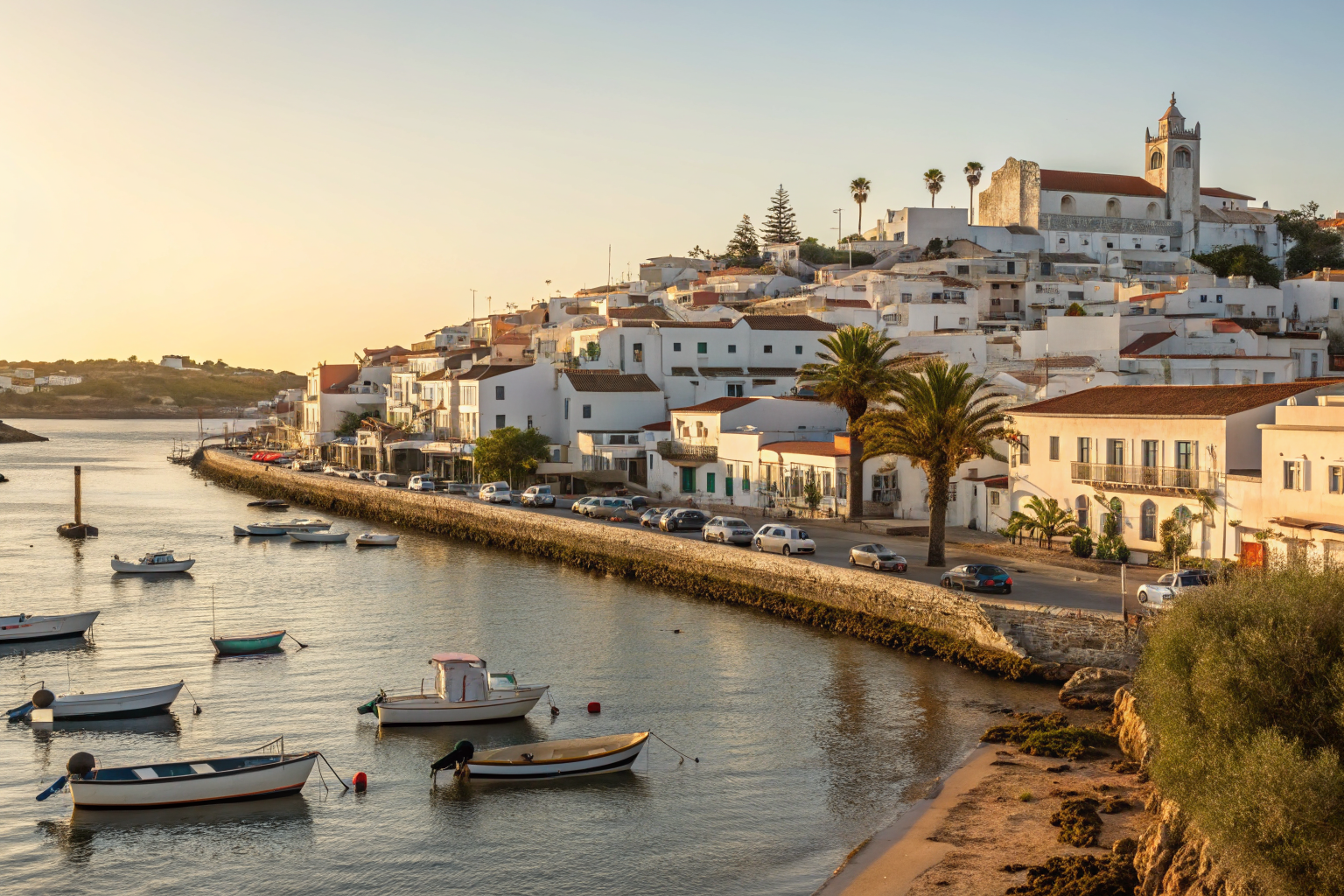
The best things to do in Ferragudo involve exploring one of the Algarve’s most picturesque fishing villages. Known for its whitewashed houses, cobbled streets, and stunning harbor views, this destination offers a peaceful escape from larger resort towns. Visitors often seek a mix of relaxing beach days, authentic cultural experiences, and scenic boat trips along the coast. Understanding the top attractions helps you make the most of your visit to this charming Portuguese gem and plan a memorable itinerary.
Key Benefits at a Glance
- Unspoiled Beaches: Easily access calm, family-friendly beaches like Praia Grande and Praia da Angrinha, complete with waterfront restaurants for a convenient day out.
- Authentic Village Charm: Get lost wandering through narrow, flower-lined streets, discovering traditional architecture and unique artisan shops away from tourist crowds.
- Fresh Seafood Dining: Savor the catch of the day at renowned harbor-side restaurants, offering an authentic taste of the Algarve’s rich culinary heritage.
- Scenic Coastal Exploration: Take a convenient boat trip or kayak tour from the local harbor to explore stunning sea caves, including the famous Benagil Cave.
- Historic & Cultural Sights: Visit the iconic Castelo de São João do Arade and the main church to soak in the village’s rich history and enjoy panoramic views.
Purpose of this guide
This guide is for travelers, from couples to families, looking to experience the authentic side of the Algarve. It solves the problem of planning a memorable trip by highlighting the must-see sights and activities in Ferragudo. You’ll learn how to explore the historic village center, find the best spots for sunset views, and book popular excursions like cave tours. We also provide practical tips on navigating the village, avoiding crowds, and enjoying a relaxing holiday without missing out on the area’s top attractions.
Introduction to Ferragudo: Why This Hidden Gem Captured My Heart

I'll never forget my first glimpse of Ferragudo from the water taxi crossing the Arade River. The whitewashed houses cascaded down the hillside like scattered pearls, their terracotta roofs glowing amber in the late afternoon sun. Unlike the high-rise developments dominating much of the Algarve coastline, this Portuguese fishing village felt untouched by mass tourism – a place where authenticity still trumped convenience.
Nestled on the eastern bank of the Arade River estuary, Ferragudo represents everything I hoped to find in Portugal's southern region but rarely encountered elsewhere along the Algarve coast. While neighboring Portimão bustles with shopping centers and resort hotels, Ferragudo maintains the unhurried rhythm of a working fishing community. The morning catch still arrives at Praia da Angrinha, fishermen mend their nets in the harbor, and locals gather in the village square for their daily coffee ritual.
What sets Ferragudo apart isn't just its picturesque setting – though the dramatic clifftop position overlooking the Atlantic certainly doesn't hurt. It's the village's genuine character, shaped by centuries of fishing heritage and protected from overdevelopment by its challenging topography. The steep, narrow streets that wind up from the harbor weren't designed for tour buses, and that's precisely what keeps Ferragudo feeling like a discovery rather than a destination.
During my multiple visits to this corner of the Algarve, I've watched sunrise paint the Arade River gold, shared meals with local fishermen who've worked these waters for decades, and discovered hidden beaches accessible only to those willing to walk beyond the obvious paths. Ferragudo offers something increasingly rare in modern Portugal – the chance to experience coastal village life as it's been lived for generations, without sacrificing the natural beauty and warm hospitality that make the Algarve special.
Getting to Ferragudo: Transportation Options I Recommend
Reaching Ferragudo requires a bit more planning than visiting major Algarve resort towns, but the extra effort rewards you with a more authentic experience. I've tried every transportation method to get here, and each offers its own advantages depending on your priorities and travel style.
The most practical option for most visitors is driving, especially if you're exploring multiple Algarve destinations. Ferragudo sits just 2 kilometers from Portimão via the EN124 road, making it easily accessible by rental car. The main parking area (GPS: 37.12153, -8.52184) near the harbor accommodates most vehicles, though spaces fill quickly during summer months. Expect to pay €2-5 per day for parking, and arrive early to secure a spot with shade.
| Transport Method | Cost | Duration | Pros | Cons |
|---|---|---|---|---|
| Car | Parking €2-5/day | Direct | Flexibility, luggage space | Parking limited in summer |
| Bus from Portimão | €2.30-4.60 | 15 minutes | Cheap, regular service | Limited evening service |
| Water Taxi | €6 return | 10 minutes | Scenic, unique experience | Seasonal only |
| Regular Taxi | €15-25 | 10-15 minutes | Door-to-door, reliable | Most expensive option |
Public transportation connects Ferragudo to Portimão via the Vamus bus service, with departures from Largo do Dique every 30-60 minutes during peak season. The journey costs €2.30 for a single ticket or €4.60 for a day pass, taking approximately 15 minutes through residential areas before descending into Ferragudo's village center. Evening service becomes limited after 8 PM, so plan your return journey accordingly.
My personal favorite arrival method is the seasonal water taxi that operates between Portimão's marina and Ferragudo's harbor from April through October. At €6 for a return ticket, this 10-minute crossing offers the most scenic introduction to the village while avoiding traffic entirely. The gentle boat ride across the Arade River reveals Ferragudo's clifftop setting from the best possible angle, with the ancient fortress and whitewashed houses creating a postcard-perfect panorama.
- Book water taxi in advance during peak season
- GPS coordinates for main parking: 37.12153, -8.52184
- Bus departs from Largo do Dique in Portimão
- Taxi apps work well in the region
Regular taxis provide the most convenient door-to-door service, particularly valuable if you're carrying luggage or traveling with mobility limitations. Expect to pay €15-25 for the journey from Portimão, with slightly higher rates from Faro Airport (approximately €45-55). Most drivers speak basic English and accept card payments, though cash remains preferred for shorter journeys.
The Historic Heart of Ferragudo: My Walking Tour of the Village Center
Stepping into Ferragudo's historic center feels like entering a living museum where everyday Portuguese life continues much as it has for centuries. The village's compact size makes it perfect for walking exploration, with most significant sites clustered within a few hundred meters of the harbor. I recommend starting your walking tour at the waterfront and working your way uphill through increasingly narrow cobbled streets.
The harbor area provides the perfect introduction to Ferragudo's fishing heritage. Colorful boats bob in the protected waters while fishermen repair nets and sort their catch. The morning hours between 8-10 AM offer the best opportunities to observe this traditional activity, as the overnight fishing boats return with their haul. Small cafés along the waterfront serve strong coffee and fresh pastries to both fishermen and early-rising visitors.
- Start at the harbor front and observe fishing boats
- Walk up cobbled streets to Praça Rainha Dona Leonor
- Visit Igreja de Ferragudo for panoramic views
- Explore narrow side streets off Rua Infante Santo
- End at castle viewpoint for photos
From the harbor, Rua Infante Santo leads uphill through the village's commercial heart. This narrow street houses small grocery shops, cafés, and family-run restaurants that serve locals and visitors alike. The traditional architecture remains largely intact – single-story houses with thick walls, small windows, and decorative chimneys typical of Algarve fishing villages. Many buildings display beautiful azulejo tiles around doorways and windows, adding splashes of blue and white to the predominantly white facades.
The village's maze-like street pattern rewards curious exploration. Side alleys reveal hidden courtyards where locals tend small gardens, children play football against ancient walls, and cats nap in patches of sunshine. Unlike tourist-oriented developments, these streets weren't designed for easy navigation – they evolved organically around the fishing community's daily needs, creating an authentic atmosphere that feels genuinely Portuguese rather than manufactured for visitors.
Praça Rainha Dona Leonor and Igreja de Ferragudo: The Village's Historic Heart
The village's main square, Praça Rainha Dona Leonor, serves as Ferragudo's social and spiritual center. This small plaza, shaded by mature trees and surrounded by traditional cafés, comes alive throughout the day as locals pause for coffee, elderly residents gather for conversation, and children play while their parents socialize. The square's unpretentious character perfectly captures the village's authentic atmosphere – this is a working community space, not a tourist attraction.
Dominating the square's eastern side, Igreja de Ferragudo represents one of the Algarve's finest examples of 16th-century parish architecture. Built on the village's highest accessible point, the church offers panoramic views over the Arade River estuary, the Atlantic coastline, and the neighboring city of Portimão. The climb to the church involves navigating steep, narrow stairs that can be challenging for visitors with mobility limitations, but the effort rewards you with some of the region's most spectacular vistas.
Inside, the church maintains its historical character with traditional Portuguese religious art, carved wooden altarpieces, and beautiful azulejo tile work. The building's elevated position served both spiritual and practical purposes – its bell tower functioned as a lookout point for approaching ships or potential threats from the sea. Today, the church remains an active part of village life, hosting regular services and community events that connect Ferragudo's present to its centuries-old traditions.
The cafés surrounding the square embody Portuguese coffee culture at its most authentic. During my visits, I've observed the same elderly gentlemen occupying their regular tables each morning, discussing local news over strong espresso and fresh pastries. These establishments serve simple, honest food – grilled sardines, seafood rice, and traditional sweets – prepared by families who've run these businesses for generations. The unhurried pace encourages visitors to slow down and experience Portuguese village life rather than simply photograph it.
Castelo de São João do Arada: My Exploration of Ferragudo's Historic Fortress
The fortress of São João do Arada stands as Ferragudo's most dramatic historical landmark, its weathered stone walls rising from the clifftops at the mouth of the Arade River. Built in 1640 during Portugal's restoration of independence from Spain, this military installation played a crucial role in defending the coastline from both pirates and foreign naval forces. Unlike many Algarve castles that suffered damage in the devastating 1755 earthquake, this fortress survived largely intact, making it one of the region's best-preserved examples of 17th-century coastal fortification.
The castle's strategic position becomes immediately apparent when viewed from the village or harbor. Perched on the eastern headland at the river's mouth, the fortress commanded sweeping views of approaching vessels while coordinating with the Fort of Santa Catarina on Praia da Rocha's western headland. This defensive partnership effectively controlled access to Portimão's important harbor, protecting the region's fishing fleet and merchant vessels from maritime threats.
While the fortress remains privately owned and inaccessible to the public, several excellent viewing points allow visitors to appreciate its impressive architecture and commanding position. The best photography opportunities are from the coastal path near Praia Grande (GPS: 37.119659, -8.522453), where the morning light illuminates the fortress walls against the dramatic cliff backdrop. The structure's relatively low profile reflects intelligent military engineering – rather than building a tall tower that might attract enemy fire, the architects utilized the natural 32-meter cliff height to achieve the necessary elevation for effective surveillance and defense.
The fortress's survival through centuries of coastal storms, military conflicts, and seismic activity speaks to the quality of Portuguese military architecture. Its thick stone walls, strategic positioning, and integration with the natural landscape demonstrate how 17th-century engineers adapted Mediterranean fortification principles to Portugal's Atlantic coastline. The castle's enduring presence adds historical gravitas to Ferragudo's picturesque setting, reminding visitors that this peaceful fishing village once stood on the front lines of Portugal's maritime defense network.
From various viewpoints around the village, the fortress creates dramatic silhouettes at sunset, when the ancient walls glow golden against the darkening sky. These moments capture the romantic appeal that has made Ferragudo increasingly popular with photographers and artists seeking authentic Portuguese coastal scenes without the crowds that characterize more famous Algarve destinations.
Beaches in and around Ferragudo: My Favorite Coastal Spots
Ferragudo's coastline offers a refreshing alternative to the crowded resort beaches that dominate much of the Algarve. Here, you'll find a diverse collection of beaches ranging from family-friendly sandy stretches with full facilities to secluded coves accessible only by foot. What sets these beaches apart isn't just their natural beauty – though the dramatic cliff formations and crystal-clear waters certainly impress – but their authentic character and manageable crowd levels even during peak summer months.
The village itself sits on two main beaches: Praia Grande, which serves as the primary family destination with restaurants and facilities, and Praia da Angrinha, the working harbor beach where fishing boats launch and traditional village life continues. Beyond these central beaches, a series of smaller coves and scenic spots dot the coastline, each offering distinct experiences for visitors willing to explore beyond the obvious choices.
| Beach Name | Distance from Village | Facilities | Best For | Swimming |
|---|---|---|---|---|
| Praia Grande | 5 min walk | Bars, restaurants, parking | Families, facilities | Excellent |
| Praia da Angrinha | 2 min walk | None | Photography, culture | Not recommended |
| Praia do Pintadinho | 15 min walk | None | Locals, quiet | Good |
| Praia dos Caneiros | 20 min walk | Seasonal bar | Scenery, romance | Excellent |
| Praia do Molhe | 10 min walk | None | Exploration | Good |
What I particularly appreciate about Ferragudo's beaches is their variety within such a compact area. You can experience working fishing culture at Praia da Angrinha in the morning, enjoy family beach time at Praia Grande during midday, and discover secluded romance at Praia dos Caneiros for sunset – all within a 20-minute walk of the village center. This diversity allows visitors to match their beach choice to their mood and the day's activities without the need for lengthy drives or complicated logistics.
The beaches also reflect Ferragudo's position between the Arade River estuary and the open Atlantic. Some beaches face south toward the ocean, offering classic Algarve swimming conditions, while others look west toward the river mouth, providing calmer waters and different scenic perspectives. This geographic variety creates microclimates and varying wave conditions that experienced beachgoers can exploit for optimal swimming, surfing, or simply relaxing throughout the day.
Ferragudo’s sheltered harbor beaches offer a peaceful alternative to the wilder Atlantic surf of the western Algarve, perfect for travelers seeking calm waters and scenic photography.
Praia Grande: Ferragudo's Main Beach Experience
Praia Grande lives up to its name as Ferragudo's largest and most developed beach, offering the perfect balance between natural beauty and practical amenities. The beach's south-facing orientation and protected position within a dramatic cliff-lined bay create ideal swimming conditions for families, while the golden sand and scenic backdrop satisfy visitors seeking classic Algarve beach experiences.
“Praia Grande is 4.4/5 rated by 440 travelers as one of the top beaches in Ferragudo.”
— TripAdvisor, 2026
Source link
The beach's distinctive character comes from its dramatic cliff formations, which create a golden amphitheater effect as the morning sun illuminates the limestone walls. These cliffs provide natural windbreaks and create a sense of enclosure that makes Praia Grande feel more intimate than many Algarve beaches despite its generous size. The sand quality is excellent – fine and golden without the rocky patches that characterize some nearby beaches.
Water conditions at Praia Grande benefit from the beach's partial estuary influence, which moderates wave action and creates generally calm swimming conditions. The south-facing orientation means the beach receives sunshine throughout the day, with morning light creating particularly beautiful photographic conditions as it illuminates the cliff faces. Water temperature remains comfortable from May through October, with peak warmth occurring during July and August.
The beachfront facilities include several well-established restaurants and beach bars that provide shade, refreshment, and dining options throughout the day. These establishments serve fresh seafood, traditional Portuguese beach fare, and cold drinks with the convenience of beachside service. The restaurants also rent umbrellas and loungers for visitors who prefer not to bring their own equipment.
Access to Praia Grande is straightforward via a paved road from the village center, with parking available near the beach (GPS: 37.11762, -8.52129). The beach is relatively accessible for visitors with mobility limitations, though the final approach involves some uneven ground. Facilities include public restrooms, outdoor showers, and waste disposal areas that help maintain the beach's cleanliness throughout the busy summer season.
Praia da Angrinha: The Harbor Beach with Character
Praia da Angrinha offers something entirely different from typical Algarve beach experiences – a working harbor beach where fishing heritage takes precedence over recreational swimming. This small beach serves as Ferragudo's traditional fishing launch point, where colorful boats arrive with the morning catch and fishermen maintain their equipment in weathered huts that have served the community for generations.
The beach's authentic character becomes immediately apparent as you approach the harbor area. Fishing nets dry in the sun, small boats rest on the sand between tides, and cats patrol the area hoping for scraps from the daily catch. This isn't a beach designed for swimming or sunbathing – it's a working waterfront where traditional Portuguese coastal life continues much as it has for centuries.
While swimming isn't recommended due to boat traffic and harbor activity, Praia da Angrinha provides exceptional opportunities for photography and cultural observation. The morning hours offer the best experiences, as fishermen return from overnight trips and sort their catch in the traditional manner. The interaction between working fishermen and curious visitors creates authentic cultural exchanges that reveal the human side of Portugal's fishing traditions.
The harbor beach also provides excellent views across the Arade River to Portimão, creating interesting photographic compositions that combine traditional fishing culture with modern urban development. The contrast between Ferragudo's preserved village character and Portimão's contemporary skyline tells the story of how different communities have adapted to Portugal's tourism-driven economic transformation.
Parking near Praia da Angrinha (GPS: 37.12153, -8.52184) is popular with camper van travelers during off-season months, when the harbor area provides a peaceful overnight parking option with beautiful sunrise views. The beach connects directly to the village center via waterfront paths, making it an integral part of any Ferragudo walking tour rather than a separate destination.
Nearby Beaches Worth Exploring: Hidden Coves and Scenic Spots
Beyond Ferragudo's two main beaches, the surrounding coastline hides several remarkable coves and scenic spots that reward visitors willing to walk beyond the obvious choices. These beaches offer more secluded experiences with dramatic natural settings, though they require greater effort to reach and provide fewer facilities than the village's central beaches.
Praia do Pintadinho, accessible via a 15-minute coastal walk from Praia Grande, represents a local favorite that remains largely undiscovered by international visitors. The beach sits in a small cove protected by dramatic cliff formations, creating an intimate setting that feels almost private during weekdays. The walk to reach Pintadinho follows part of the coastal hiking trail, offering scenic views and interesting geological formations along the way.
Praia dos Caneiros deserves special recognition as one of the Algarve's most beautiful beaches, despite requiring a 20-minute walk from Ferragudo village. The beach combines golden sand, crystal-clear water, and spectacular cliff scenery in a setting that feels almost tropical. A seasonal beach bar provides refreshments during summer months, but the beach maintains a natural character that contrasts sharply with more developed coastal areas. The walk to Caneiros follows coastal paths that can be challenging in places, but the destination justifies the effort for visitors seeking exceptional natural beauty.
Praia do Molhe offers a different type of coastal experience, featuring the remains of harbor defense structures that create interesting swimming areas and tide pools. Located about 10 minutes' walk from the village center, this beach provides good swimming conditions with the added interest of exploring the historical harbor installations. The beach's name refers to the breakwater structures that once protected Ferragudo's harbor from storms and enemy attack.
These hidden beaches connect via coastal walking trails that provide scenic hiking opportunities between swimming stops. The trails vary in difficulty from easy coastal paths to more challenging cliff-top routes that require proper footwear and caution near edges. During my explorations, I've found that early morning and late afternoon provide the best conditions for both hiking and photography, when the light enhances the dramatic coastal scenery and temperatures remain comfortable for extended walking.
Coastal Activities and Adventures: How I Explore Ferragudo's Shoreline
Ferragudo's coastline offers far more than passive beach relaxation, providing opportunities for active exploration that reveal hidden aspects of this beautiful stretch of Portuguese coast. The village's position at the mouth of the Arade River, combined with its dramatic cliff formations and secluded coves, creates ideal conditions for kayaking, hiking, and boat-based adventures that showcase the region from perspectives impossible to achieve from land alone.
During my visits, I've discovered that Ferragudo works particularly well as a base for coastal activities because of its manageable scale and authentic character. Unlike larger resort destinations where activities feel commercialized and crowded, Ferragudo maintains a more personal atmosphere where local operators know their customers and adapt experiences to individual interests and abilities.
| Activity | Cost | Difficulty | Duration | My Rating |
|---|---|---|---|---|
| Kayaking | €8-10/hour | Easy | 1-3 hours | 4/5 |
| Coastal Hiking | Free | Moderate | 1-2 hours | 5/5 |
| Boat Tours | €25 | Easy | 3 hours | 4/5 |
| Paddleboarding | €10/hour | Easy | 1-2 hours | 3/5 |
The coastal activities available from Ferragudo range from gentle family-friendly options to more challenging adventures for experienced outdoor enthusiasts. What I particularly appreciate is the ability to combine different activities within a single day – perhaps starting with morning coastal hiking to scout interesting features, followed by afternoon kayaking to explore caves and coves identified during the land-based exploration.
The value proposition for coastal activities in Ferragudo compares favorably with other Algarve destinations, particularly when you consider the less crowded conditions and more personalized service. The village's authentic character means that activity providers are often local residents who genuinely care about sharing their coastline's special qualities rather than simply processing tourists through standardized experiences.
Hiking the Coastal Trails: My Favorite Walking Routes
The coastal hiking trail from Praia Grande to Praia dos Caneiros represents one of Portugal's most rewarding short-distance walks, combining dramatic cliff scenery, interesting geological features, and hidden beaches within a manageable 1.5-kilometer route. This trail showcases the best of Ferragudo's coastline while remaining accessible to moderately fit hikers willing to navigate some challenging terrain.
- Bring plenty of water and sun protection
- Wear proper hiking shoes with grip
- Start early to avoid midday heat
- Stay well back from cliff edges
- Download offline maps before starting
- Algar dos Caneiros sinkhole is extremely dangerous – maintain safe distance
- Some cliff sections have loose rock
- Trail can be slippery when wet
- No shade along most of the route
The trail begins at the southern end of Praia Grande (GPS: 37.11350, -8.51789), where a marked path leads up the cliff face toward the Ponta do Altar headland. The initial climb requires some effort but rewards hikers with increasingly spectacular views over the coastline and back toward Ferragudo village. The path surface varies from well-maintained sections to rougher areas where careful foot placement is essential.
“Trail of the Headlands is a 6km coastal walk from Praia Grande do Ferragudo all the way to Carvoeiro.”
— Algarve Portugal Tourism, 2026
Source link
The Ponta do Altar headland marks the trail's most dramatic section, featuring the historic lighthouse and the impressive Algar dos Caneiros sinkhole. The sinkhole represents one of the region's most significant geological features – a massive circular depression in the cliff face that demonstrates the power of coastal erosion over geological time. However, this natural wonder requires extreme caution, as the edges are unstable and potentially deadly. Maintain a safe distance and resist any temptation to approach the rim for photographs.
From the headland, the trail continues toward Praia dos Caneiros through varied terrain that includes both cliff-top sections and descents into small coves. The final approach to Caneiros beach involves a steep descent that can be challenging for hikers carrying heavy packs or those uncomfortable with heights. However, the destination justifies the effort – Caneiros consistently ranks among Portugal's most beautiful beaches.
Throughout the hike, the interplay between limestone cliffs, Atlantic waters, and Mediterranean vegetation creates constantly changing scenery that rewards frequent stops for photography and appreciation. The best hiking conditions occur during spring and autumn months when temperatures remain comfortable and wildflowers add color to the landscape. Summer hiking requires early morning starts to avoid dangerous heat exposure on the shadeless cliff sections.
Water Activities: My Experience with Kayaking, Boat Tours, and Water Sports
Kayaking from Ferragudo opens up a completely different perspective on this beautiful coastline, allowing access to caves, secluded beaches, and scenic viewpoints impossible to reach from land. The relatively protected waters near the village provide ideal conditions for beginners, while more experienced paddlers can venture further along the coast to explore dramatic formations and hidden coves.
Kayak rentals are available directly at Praia Grande, where local operators provide single kayaks for €8 per hour or doubles for €10 per hour. The rental includes basic safety equipment and brief instruction for inexperienced paddlers. For those preferring guided experiences, organized tours cost €25 for three-hour excursions that include equipment, safety briefing, and local knowledge about the best spots to explore.
| Activity | Price | Duration | Includes | Booking Required |
|---|---|---|---|---|
| Kayak Rental | €8 single/€10 double per hour | Flexible | Equipment only | No |
| Guided Kayak Tour | €25 | 3 hours | Guide, equipment, route | Yes |
| Boat Tour | €30-45 | 2-3 hours | Guide, drinks | Recommended |
| Dolphin Watching | €35 | 2.5 hours | Guide, guarantee policy | Yes |
- Rent kayak at Praia Grande beach bar
- Paddle east toward Praia do Pintadinho
- Explore small caves along the coastline
- Continue to Caneiros beach if conditions allow
- Return before afternoon winds pick up
My most memorable kayaking experience involved paddling east from Praia Grande toward Praia do Pintadinho, where small caves and rock formations create fascinating exploration opportunities. The caves are large enough to paddle into safely, revealing interesting geological features and providing cool relief from summer heat. The contrast between the bright Atlantic sunshine and the mysterious cave interiors creates dramatic photographic opportunities for waterproof camera equipment.
Paddleboarding offers a similar coastal exploration experience with the added challenge of balance and core strength requirements. Stand-up paddleboards rent for €10 per hour from the same operators who provide kayaks, though I found kayaking more practical for longer explorations and cave visits. Paddleboarding works well for shorter excursions focused on fitness and balance challenges rather than extensive coastal exploration.
Organized boat tours provide comfortable alternatives for visitors who prefer professional guidance and don't want to handle their own watercraft. These tours typically focus on coastal scenery, dolphin watching, or visits to the famous Benagil Cave system further east along the coast. The boats depart from various points along the Arade River, with some operators offering pickup services from Ferragudo's harbor area.
Ponta do Altar Lighthouse and Algar dos Caneiros: My Guide to These Coastal Highlights
The Ponta do Altar headland represents the dramatic eastern terminus of Ferragudo's coastline, where the 1893 lighthouse stands sentinel over the Arade River estuary and the remarkable Algar dos Caneiros sinkhole demonstrates nature's power to reshape even solid rock. These two features – one human-made, one natural – combine to create one of the Algarve's most compelling coastal destinations.
The lighthouse's construction reflects intelligent adaptation to local geography rather than following standard lighthouse design principles. Built in 1893, the structure rises only modestly from the cliff surface because the 32-meter natural elevation already provides the height necessary for effective maritime navigation. This low-profile design allowed the lighthouse to achieve 29-kilometer visibility while presenting a smaller target during the various military conflicts that affected Portugal's coast.
The lighthouse's strategic position becomes clear when viewed in conjunction with Praia da Rocha's Fort of Santa Catarina across the estuary mouth. These two installations worked together to monitor and control access to Portimão's harbor, creating an effective defensive network that protected the region's fishing fleet and commercial vessels. The lighthouse served both navigation and military surveillance functions, with its elevated position providing commanding views over approaching vessels.
While the lighthouse itself remains inaccessible to the public due to private ownership, several excellent viewing and photography positions allow visitors to appreciate both the structure and its dramatic setting. The coastal hiking trail provides the closest approach, with the best photography opportunities occurring during morning hours when the lighthouse is backlit against the eastern sky.
The Algar dos Caneiros sinkhole represents one of the Algarve's most impressive geological features – a massive circular depression in the cliff face that demonstrates millions of years of coastal erosion and limestone dissolution. The sinkhole's dimensions are genuinely impressive, creating a natural amphitheater that drops dramatically toward the sea level. However, this natural wonder requires extreme respect and caution, as the edges remain unstable and potentially deadly.
The sinkhole formed through a combination of wave action, groundwater dissolution, and structural collapse that continues today. The ongoing erosion process means that what appears to be solid ground near the rim may actually be unsupported rock that could collapse without warning. Multiple fatalities have occurred when visitors approached too closely, making safety awareness absolutely critical for anyone visiting this area.
From safe viewing distances, the Algar dos Caneiros provides spectacular photographic opportunities, particularly during golden hour when the angled sunlight illuminates the complex rock formations and creates dramatic shadows within the depression. The geological processes visible in the sinkhole's walls tell the story of how this coastline has evolved over millions of years, with different rock layers revealing ancient environmental conditions.
Food and Drink in Ferragudo: Where I Love to Eat
Ferragudo's dining scene perfectly reflects the village's authentic character – unpretentious restaurants serving exceptional seafood in settings that prioritize local traditions over tourist expectations. The concentration of quality establishments around Praça Rainha Dona Leonor and along Rua Infante Santo creates a compact dining district where you can experience genuine Portuguese coastal cuisine without the inflated prices or compromised quality that characterize many Algarve resort areas.
What sets Ferragudo's restaurants apart is their connection to the village's active fishing industry. The morning catch literally arrives at Praia da Angrinha, providing restaurants with access to seafood that was swimming in Atlantic waters just hours before reaching your plate. This direct connection between fishing boats and dining tables ensures exceptional freshness while supporting the traditional economic activities that keep Ferragudo authentic.
The village's restaurant culture reflects Portuguese dining customs rather than international tourist preferences. Lunch typically runs from noon until 3 PM, when most establishments close for the afternoon break. Dinner service begins around 7 PM and continues until late, with locals often arriving after 8 PM for their main meal. This rhythm encourages visitors to adapt to Portuguese timing rather than expecting restaurants to accommodate foreign schedules.
- Make reservations in summer months
- Try the local cataplana seafood stew
- Lunch is typically served 12:00-15:00
- Dinner starts around 19:00
- Most restaurants accept cards but carry cash
| Restaurant Type | Price Range | Best Time | Specialties |
|---|---|---|---|
| Village Restaurants | €15-25 per person | Lunch & Dinner | Fresh seafood, cataplana |
| Beach Bars | €8-15 per person | All day | Grilled fish, snacks |
| Cafés | €3-8 per person | Morning/Afternoon | Coffee, pastries, light meals |
The restaurants I recommend most highly occupy traditional buildings around the village center, where family-run operations have served the community for generations. These establishments offer cataplana – the traditional Portuguese seafood stew cooked in a distinctive copper pot – prepared with the day's catch and local ingredients. The dish varies seasonally based on available fish, creating unique experiences that reflect the natural rhythms of Atlantic fishing.
Price levels in Ferragudo remain reasonable compared to major Algarve resort destinations, with complete meals including wine typically ranging from €15-25 per person at quality restaurants. The portions tend to be generous, reflecting Portuguese dining traditions that emphasize sharing and social eating rather than individual consumption. Many restaurants offer half-portions for lighter appetites or solo diners who want to sample multiple dishes.
Beach Bars and Cafés: My Favorite Spots for Relaxation
The beach bars along Praia Grande and the traditional cafés scattered throughout Ferragudo village create perfect settings for experiencing Portuguese social culture at its most relaxed and authentic. These establishments serve as community gathering places where locals and visitors naturally interact, creating opportunities for cultural exchange that feel organic rather than forced or commercialized.
The beachfront bars provide essential relief from summer sun while offering front-row seats for observing beach life and ocean views. During my afternoon visits, I've found these venues perfect for extended relaxation sessions with cold drinks, light meals, and the kind of unhurried conversation that defines Portuguese café culture. The bars typically open early for coffee service to fishermen and beach walkers, remaining active throughout the day until evening dining transitions.
| Venue | Location | Best For | Price Range | My Rating |
|---|---|---|---|---|
| Praia Grande Beach Bars | Beachfront | Lunch, sunset drinks | €€ | 4/5 |
| Village Square Cafés | Praça Rainha Dona Leonor | Coffee, people watching | € | 5/5 |
| Harbor Front Bars | Near fishing boats | Authentic atmosphere | € | 4/5 |
- Morning: Village cafés for coffee and pastries
- Lunch: Beach bars for fresh seafood
- Afternoon: Shaded terraces for drinks
- Evening: Harbor front for authentic atmosphere
Village cafés around Praça Rainha Dona Leonor embody traditional Portuguese coffee culture, where strong espresso accompanies animated conversation and careful observation of village life. These establishments open early to serve fishermen heading out for morning trips, continue through the day serving locals conducting daily business, and remain active into evening as social centers for the community. The outdoor terraces provide perfect vantage points for people-watching while enjoying excellent coffee and traditional Portuguese pastries.
The harbor front bars near Praia da Angrinha offer the most authentic atmosphere, where fishing industry workers gather for drinks after completing their daily tasks. These venues feel genuinely Portuguese rather than tourist-oriented, with conversations conducted in rapid Portuguese and cats wandering hopefully for scraps from the day's catch. The prices remain very reasonable, reflecting their role as community gathering places rather than tourist attractions.
During my visits, I've developed a personal routine that takes advantage of different venues throughout the day. Morning coffee and pastries at the village square cafés provide the perfect start while observing the community's daily rhythm. Afternoon drinks at beachfront bars offer relaxation with ocean views and cooling breezes. Evening sessions at harbor front establishments create opportunities for authentic cultural interaction with local residents who appreciate visitors' genuine interest in their community.
Practical Tips for Visiting Ferragudo: My Expert Advice
After multiple visits to Ferragudo spanning different seasons and circumstances, I've learned that this village rewards visitors who approach it with realistic expectations and respect for its authentic character. Unlike resort destinations designed specifically for tourism, Ferragudo remains a working fishing community where visitors are welcome but not the primary focus of daily life.
The village's compact size means that most attractions can be seen within a couple of hours, but this quick overview misses the point entirely. Ferragudo's appeal lies in slowing down, observing daily life, and appreciating the unhurried pace that defines Portuguese coastal communities. The best experiences come from spending extended time in cafés, walking the same streets multiple times to notice different details, and allowing spontaneous interactions with locals to develop naturally.
Essential services in Ferragudo include a small ATM in the village center, a basic grocery store for supplies, and several pharmacies in nearby Portimão for any medical needs. The village maintains reliable mobile phone coverage and most cafés and restaurants offer free WiFi for visitors who need internet access. However, the limited infrastructure reflects Ferragudo's authentic scale rather than any deficiency in planning or development.
- DO respect fishing activities and equipment
- DO learn basic Portuguese greetings
- DO bring comfortable walking shoes
- DON’T expect extensive nightlife
- DON’T rush – embrace the slow pace
- DON’T ignore tide times for coastal walks
- ATM available in village center
- Small grocery store for basics
- Pharmacy in nearby Portimão
- Limited wheelchair accessibility due to cobblestones
- Free WiFi at most cafés and restaurants
Accessibility considerations are important for visitors with mobility limitations. The village's historic cobblestone streets and steep topography create challenges for wheelchair users and those with walking difficulties. While the main areas can be accessed with careful planning, many of the most scenic viewpoints and hidden corners require navigating uneven surfaces and significant elevation changes.
Cultural etiquette in Ferragudo follows standard Portuguese customs with particular emphasis on respecting the working fishing industry. Avoid interfering with fishing equipment, nets, or boats, and ask permission before photographing fishermen at work. Learning basic Portuguese greetings like "bom dia" (good morning) and "obrigado/obrigada" (thank you) demonstrates respect for local culture and often leads to warmer interactions with residents.
The key to enjoying Ferragudo lies in adjusting your pace and expectations to match the village's character. This isn't a destination for checking off attractions or following rigid schedules. Instead, allow time for spontaneous discoveries, extended café sessions, and the kind of unhurried exploration that reveals why this fishing village has maintained its authentic charm despite increasing tourist interest.
Best Time to Visit Ferragudo: When I Recommend Going
Based on multiple visits throughout the year, I consistently recommend late spring (April-May) and early autumn (September-October) as the optimal times for experiencing Ferragudo. These shoulder seasons provide the ideal combination of pleasant weather, manageable crowd levels, reasonable prices, and full access to activities and services that define the village's appeal.
Spring visits offer the advantage of wildflower blooms along coastal hiking trails, comfortable temperatures for extended walking, and the revival of village life after the quiet winter months. The weather remains generally dry with occasional brief showers, and temperatures range from 15-22°C (59-72°F) – perfect for both beach activities and cultural exploration. Most importantly, spring visits allow you to experience Ferragudo before summer crowds arrive, when the village maintains its authentic pace and character.
| Season | Weather | Crowd Level | Prices | Water Taxi | My Rating |
|---|---|---|---|---|---|
| Spring (Mar-May) | Mild, occasional rain | Low-Medium | Moderate | Limited | 5/5 |
| Summer (Jun-Aug) | Hot, dry | High | High | Operating | 3/5 |
| Autumn (Sep-Nov) | Warm, pleasant | Medium-Low | Moderate | Limited | 5/5 |
| Winter (Dec-Feb) | Cool, rainy | Low | Low | None | 3/5 |
Early autumn provides similar advantages with the added benefit of warm sea temperatures from the summer heating period. September and October offer excellent swimming conditions, stable weather patterns, and the gradual return of authentic village atmosphere as summer visitors depart. Restaurant service becomes more relaxed, accommodation prices drop significantly, and local residents have more time for genuine interactions with visitors.
Summer visits (June-August) present both advantages and challenges. The guaranteed sunshine and warm temperatures create perfect beach conditions, and the seasonal water taxi service provides the most scenic arrival option. However, summer also brings significant crowds, higher prices, and a more tourist-oriented atmosphere that can obscure Ferragudo's authentic character. If you must visit during summer, consider weekdays and early morning activities to avoid peak congestion.
Winter visits offer the lowest prices and most authentic village atmosphere but require acceptance of cooler, wetter weather and limited services. Many seasonal businesses close during winter months, the water taxi doesn't operate, and beach activities become less appealing. However, winter can be perfect for visitors who prioritize cultural immersion over beach activities and don't mind occasional rainy days.
Where to Stay: Accommodation Options I Recommend
Ferragudo's accommodation options reflect the village's authentic character, with most choices falling into the boutique guesthouse or vacation rental categories rather than large hotels or resort properties. This accommodation landscape supports the village's intimate atmosphere while providing comfortable bases for exploring the coastline and experiencing local culture.
Village guesthouses offer the most authentic experience, typically occupying converted traditional buildings within walking distance of restaurants, cafés, and beaches. These properties emphasize character over amenities, with unique architectural features, personalized service, and genuine Portuguese hospitality. Expect to pay €50-80 per night for quality guesthouses, with prices varying significantly by season and specific location within the village.
| Accommodation Type | Budget Range | Best For | Pros | Cons |
|---|---|---|---|---|
| Village Guesthouses | €50-80/night | Couples, authenticity | Central, character | Limited amenities |
| Nearby Hotels | €80-150/night | Families, comfort | Facilities, parking | Less authentic |
| Vacation Rentals | €60-120/night | Groups, longer stays | Space, kitchen | Variable quality |
| Luxury Resorts | €150+/night | Luxury seekers | Full service, pools | Expensive, touristy |
- Book early for summer visits
- Consider Portimão for more hotel options
- Check cancellation policies
- Verify parking availability
- Read recent reviews carefully
Vacation rentals provide excellent options for families or groups seeking more space and self-catering facilities. Many rentals occupy traditional Portuguese houses that have been sensitively converted while maintaining architectural character. These properties often include small terraces or gardens, full kitchens, and multiple bedrooms at rates that become very economical for group bookings.
For visitors prioritizing modern amenities and full hotel services, nearby Portimão offers numerous hotel options within easy reach of Ferragudo. This approach allows you to enjoy contemporary comfort while maintaining day-trip access to the village's authentic atmosphere. The trade-off involves losing the immersive experience of staying within Ferragudo itself, but the compromise works well for families with specific facility requirements.
Luxury resort options exist in the broader region, though staying at these properties somewhat defeats the purpose of visiting an authentic fishing village. These resorts provide excellent facilities but create a barrier between guests and the genuine Portuguese culture that makes Ferragudo special. If luxury amenities are essential, consider splitting your stay between a resort base and a few nights in Ferragudo village to experience both comfort and authenticity.
Day Trip or Longer Stay? How I Plan My Ferragudo Visits
The question of whether to visit Ferragudo as a day trip or longer stay depends entirely on your travel priorities and what you hope to gain from the experience. From a purely logistical perspective, the village's compact size allows you to see the main attractions, enjoy a beach afternoon, and sample local dining within a single day. However, this approach misses much of what makes Ferragudo genuinely special.
For day-trip visitors, I recommend a structured approach that maximizes your limited time while providing a taste of the village's character. The ideal day trip begins with morning arrival via water taxi or bus, allowing time for village exploration before afternoon beach relaxation and sunset departure. This schedule provides exposure to Ferragudo's key elements without feeling rushed or superficial.
- Morning: Arrive via water taxi or bus
- 10:00-12:00: Explore village center and church
- 12:00-14:00: Lunch at village restaurant
- 14:00-17:00: Relax at Praia Grande
- 17:00-18:00: Walk to castle viewpoint
- 18:00: Depart or enjoy sunset drink
However, longer stays reveal Ferragudo's deeper character and allow you to experience the village's natural rhythms rather than simply observing them. A two or three-night stay provides time for coastal hiking, multiple beach experiences, extended dining sessions, and the spontaneous interactions with locals that create lasting travel memories. You can adapt to Portuguese timing, discover hidden corners missed during rushed visits, and appreciate the subtle changes in atmosphere throughout different times of day.
- Day 1: Village exploration and main beach
- Day 2: Coastal hiking and secluded beaches
- Day 3: Water activities and relaxed dining
- Ideal stay: 2-3 nights for unhurried experience
Extended stays also allow you to experience Ferragudo during different weather conditions and seasonal variations that day-trip visitors miss entirely. Morning mists over the Arade River, afternoon sea breezes that cool the village streets, and evening light that transforms the cliff faces into golden amphitheaters – these subtle environmental changes contribute significantly to Ferragudo's appeal but require time to observe and appreciate.
The practical advantages of longer stays include better restaurant reservations, relationships with local café owners who remember your preferences, and the relaxed confidence that comes from knowing the village layout and daily rhythms. You can plan activities around weather conditions, take advantage of optimal lighting for photography, and make spontaneous decisions based on local recommendations rather than guidebook schedules.
My personal recommendation is a minimum two-night stay for first-time visitors, with three nights being ideal for those who want to include coastal activities and thorough exploration. This duration provides sufficient time to experience both the village's cultural attractions and its natural beauty without feeling rushed or leaving with a sense of missed opportunities.
Beyond Ferragudo: How I Combine My Visits with Nearby Destinations
Ferragudo's strategic location on the Arade River makes it an excellent base for exploring the diverse attractions of the central Algarve region. The village's authentic character provides a peaceful retreat between more intense sightseeing activities, while its proximity to larger towns ensures easy access to additional dining, shopping, and cultural options when desired.
Portimão, just across the river, offers the most obvious complement to Ferragudo's village atmosphere. The city provides shopping centers, a wider range of restaurants, nightlife options, and cultural attractions that balance Ferragudo's quiet character. The scenic water taxi crossing between the two locations creates a pleasant transition between authentic village life and contemporary Portuguese city culture.
| Destination | Distance | Transport | Main Attractions | Combines Well With |
|---|---|---|---|---|
| Portimão | 2km | Water taxi, bus | Shopping, dining, marina | City experience |
| Carvoeiro | 8km | Car, bus | Dramatic cliffs, beaches | Coastal scenery |
| Lagoa | 12km | Car | Wine, culture, golf | Inland exploration |
| Lagos | 25km | Car, bus | Historic town, beaches | Full day trip |
Carvoeiro provides dramatic coastal scenery that contrasts beautifully with Ferragudo's river mouth setting. The famous cliff formations, including the Algar Seco and Benagil Cave system, offer spectacular natural attractions within easy reach. Carvoeiro's more developed tourism infrastructure provides additional accommodation and dining options, though with less authentic character than Ferragudo itself.
Lagoa represents the inland alternative, where wine production, cultural attractions, and golf courses create different types of experiences. The town's position away from the coast provides insight into non-tourist Portuguese life while offering excellent wine tasting opportunities at local quintas. Lagoa works particularly well for visitors seeking to understand Portuguese culture beyond the coastal tourism focus.
- Ferragudo works perfectly as a peaceful base
- Water taxi to Portimão offers scenic city access
- Carvoeiro provides dramatic cliff scenery contrast
- Lagoa adds cultural and wine experiences
- Allow full days for Lagos or Sagres trips
For longer excursions, Lagos and Sagres offer full-day trip opportunities that showcase different aspects of Algarve history and geography. Lagos combines historic significance with stunning beaches and dramatic coastal formations, while Sagres provides the stark beauty of Europe's southwestern extremity and important maritime history. These destinations require full days and reliable transportation, making them suitable for visitors with extended stays and rental cars.
The key to successful multi-destination planning lies in balancing different types of experiences rather than simply accumulating more attractions. Ferragudo's peaceful village atmosphere provides the perfect counterpoint to busier tourist destinations, while its authentic Portuguese character offers cultural depth that complements the natural beauty of nearby coastal attractions. This combination creates well-rounded Algarve experiences that satisfy diverse interests without feeling superficial or rushed.
Just across the Arade River, Portimão’s historic center offers museums, markets, and riverfront dining that pair perfectly with Ferragudo’s village charm.
Frequently Asked Questions
Ferragudo offers a range of activities including exploring its charming whitewashed streets, visiting the historic Castelo de São João do Arade, and relaxing on beautiful beaches like Praia Grande. You can also enjoy boat tours along the coastline to see caves and grottos, or indulge in fresh seafood at local restaurants. For adventure seekers, water sports such as kayaking and paddleboarding are popular options.
Ferragudo is easily accessible by car from Faro Airport, about 60 km away, via the A22 motorway, taking around 45 minutes. Public transport options include trains to Portimão station followed by a short bus or taxi ride, or direct buses from Faro. For those in nearby towns like Lagos, driving or taking a regional bus is convenient and scenic.
Praia Grande is one of the top beaches in Ferragudo, known for its wide sandy shores and calm waters ideal for swimming and families. Praia dos Caneiros offers stunning cliffs and rock formations, perfect for a more secluded experience. Nearby, Praia do Pintadinho provides beautiful views of the Arade River and is great for sunbathing or light water activities.
Absolutely, Ferragudo is worth visiting for its authentic Portuguese charm, unspoiled by mass tourism, offering a peaceful alternative to busier Algarve spots. The village boasts picturesque views, historic sites, and excellent beaches, making it ideal for a relaxing getaway. Visitors often appreciate its blend of traditional fishing culture and modern amenities.
Ferragudo stands out with its preserved fishing village atmosphere, lacking the high-rise developments seen in places like Albufeira, and features a scenic riverside location on the Arade River. It offers a more intimate, local experience with narrower streets, traditional architecture, and fewer crowds. The town’s emphasis on natural beauty, like its cliffs and beaches, combined with authentic cuisine, sets it apart.
