
Pink Street Lisbon dangerous or safe nightlife

Pink Street Lisbon dangerous or safe nightlife

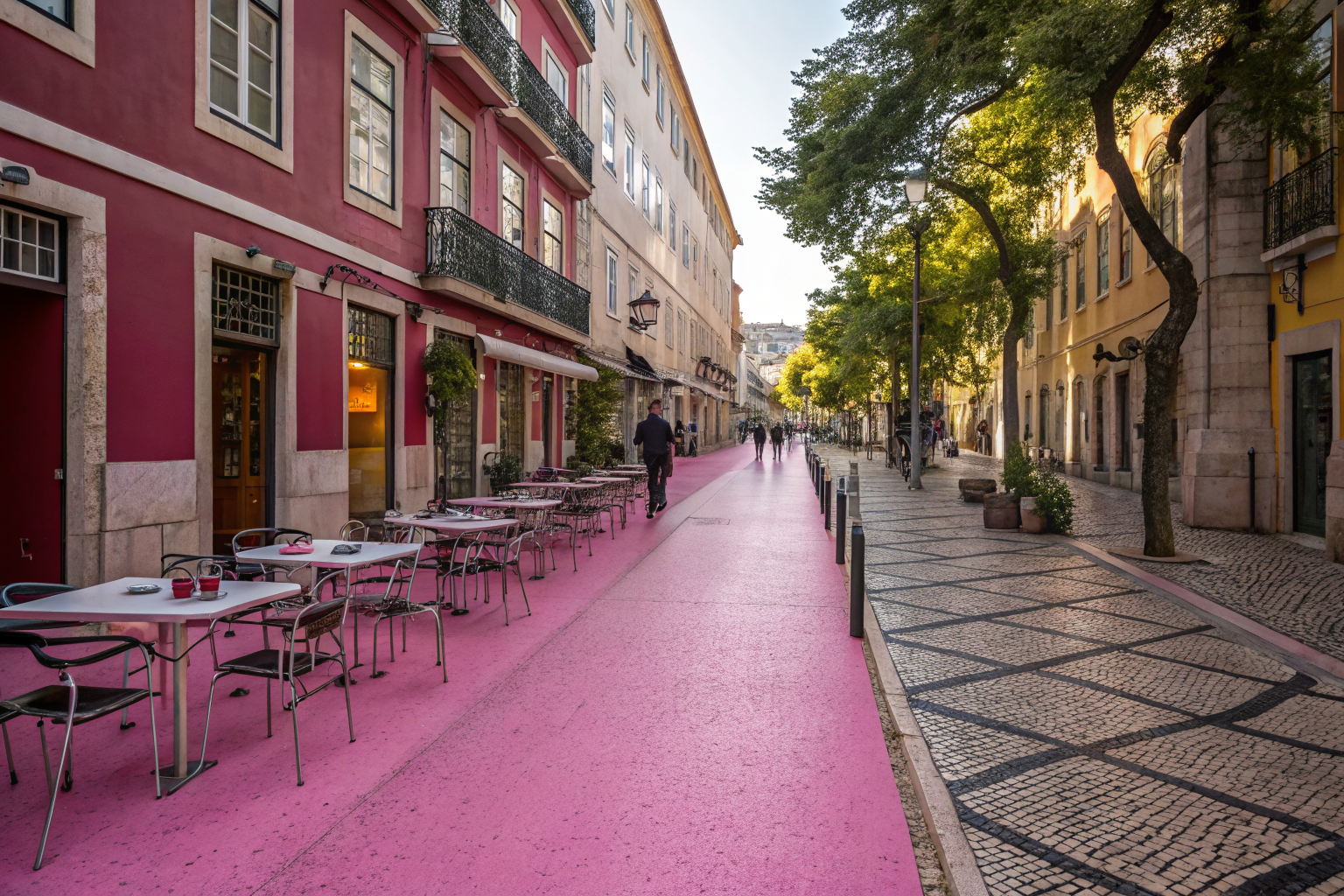
Concerns about whether pink street lisbon dangerous is a valid question, as this famous nightlife spot (Rua Nova do Carvalho) changes dramatically after dark. By day, it’s a popular tourist landmark for photos, but at night it becomes an extremely crowded party street. While generally safe for tourists, the high concentration of people makes it a hotspot for petty theft like pickpocketing, which is the primary safety concern for most visitors enjoying the area’s many bars and clubs.

Key Benefits at a Glance

  • Situational Awareness: Stay alert to your surroundings and keep valuables secure in front pockets or zipped bags to deter pickpockets in dense crowds.
  • Secure Transport: Plan your journey home in advance using reputable ride-sharing apps or official taxis to avoid transport issues late at night.
  • Moderate Consumption: Enjoy the atmosphere but be mindful of your alcohol consumption to remain in control and aware of your environment.
  • Group Safety: Stick with friends or in a group, especially late at night, and establish a meeting point in case you get separated.
  • Smart Timing: Experience the vibrant nightlife but consider leaving before the main closing rush to ensure a smoother and safer exit from the area.

Purpose of this guide

This guide is for any traveler planning to visit Lisbon’s famous Pink Street. It helps you understand the area’s reputation and provides actionable steps to ensure a safe and enjoyable experience, whether you are visiting for daytime photos or nighttime entertainment. You will learn how to navigate the crowds confidently, recognize and avoid common risks like petty theft, and make smart decisions about timing and transportation. By following these practical tips, you can avoid common tourist mistakes and enjoy the unique atmosphere without unnecessary worry.

Introduction: Pink Street Lisbon dangerous past, vibrant present – a complete guide

Standing on the vibrant pink pavement of Rua Nova do Carvalho, watching the morning light reflect off the colorful buildings, I can hardly believe this peaceful street was once considered one of Lisbon's most dangerous areas. As a travel safety expert who has visited Pink Street over a dozen times across different seasons and hours, I've witnessed firsthand the dramatic transformation that has turned this former red-light district into one of Portugal's most Instagram-worthy destinations.

The question "Is Pink Street Lisbon dangerous?" continues to dominate travel forums and search queries, reflecting genuine concerns from travelers who've heard whispers of its seedy past. Located in the heart of Cais do Sodré, just steps from the Time Out Market and the central metro station, Pink Street – officially known as Rua Nova do Carvalho but lovingly called Rua Cor-de-Rosa by locals – sits at the crossroads of Lisbon's maritime history and modern tourism boom.

Through extensive personal experience guiding tourists through this area, conversations with local business owners who witnessed the transformation, and careful observation of safety conditions at various times of day and night, I can provide you with the fact-based assessment you're seeking. The reality is far more nuanced than simple "dangerous" or "safe" labels suggest, and understanding this complexity is key to enjoying everything Pink Street has to offer while staying secure.

Key takeaways

  • Pink Street transformed from a dangerous red-light district to a safe tourist hotspot between 2011-2013
  • Currently generally safe with normal urban nightlife precautions, especially during daytime visits
  • Best visited in early morning (8-10 AM) for photos or evening (10 PM-midnight) for nightlife
  • Located in central Cais do Sodré, 2 minutes walk from Time Out Market and metro station
  • Main safety concerns are pickpocketing and crowds, not violent crime or serious harassment

The colorful history of Pink Street in Lisbon

Pink Street's story begins with Cais do Sodré's identity as Lisbon's primary port district, where sailors and dock workers sought entertainment after long voyages. For over a century, Rua Nova do Carvalho served this maritime community with taverns, boarding houses, and eventually, brothels that catered to the transient population flowing through Portugal's busiest port.

By the 1980s and 1990s, the area had deteriorated into a notorious red-light district. During my conversations with longtime residents, several described avoiding the street entirely, particularly after dark. Maria, who owns a nearby café and has lived in the neighborhood for forty years, told me she remembered when "respectable people simply didn't walk down that street, especially women alone." The reputation for danger wasn't unfounded – petty crime, drug dealing, and prostitution were visible and problematic.

The transformation began in earnest around 2011 when Lisbon's city council launched an ambitious urban renewal project targeting the entire Cais do Sodré area. The decision to paint the cobblestones bright pink wasn't arbitrary – it was a deliberate branding strategy designed to create a striking visual landmark that would attract tourists and fundamentally change public perception of the space.

Pink Street in Lisbon, once a red-light district, is now a vibrant nightlife hub generally considered safe with low violent crime rates. Petty theft like pickpocketing remains a concern in crowded areas, especially at night. For detailed safety stats, check crime indices. Travelers report drug offers but note security presence helps. Explore security reports for official insights.

From red-light district to tourist attraction

The renovation project was comprehensive and strategic. Former brothels were purchased by the city and converted into trendy bars and restaurants. Street lighting was improved dramatically, and regular police patrols were established. Most importantly, the Instagram era provided the perfect timing for the pink street concept to go viral internationally.

Local business owner João, whose family has operated in the area for three generations, explained the transformation: "The pink paint changed everything overnight. Suddenly, young people were coming here in the afternoon just to take photos. Then they stayed for drinks, then dinner. Within two years, we went from serving mostly local workers to welcoming tourists from around the world."

The gentrification wasn't without controversy. Some longtime residents expressed concern about rising rents and the loss of authentic local character. However, most acknowledge that the safety improvements and economic opportunities have benefited the broader community. Today, when locals refer to "Rua Cor-de-Rosa," they're talking about a completely different place than the dangerous street of previous decades.

Where is Pink Street and how to get there

Pink Street sits in the heart of Cais do Sodré, one of Lisbon's most central neighborhoods, making it easily accessible from anywhere in the city. The street runs parallel to the Tagus River, just two blocks inland from the waterfront, placing it within easy walking distance of major tourist attractions and transportation hubs.

From Praça do Comércio, Lisbon's iconic riverside square, Pink Street is an easy 8-minute walk west along the waterfront. The Time Out Market, one of Lisbon's most popular food destinations, sits literally around the corner – you can see the pink pavement from the market's main entrance. This proximity to established, family-friendly attractions immediately signals that Pink Street is no longer the isolated danger zone it once was.

The most convenient public transportation option is the Green Line metro to Cais do Sodré station. From the metro exit, Pink Street is less than a 2-minute walk – simply head toward the river and look for the distinctive pink pavement. The central location means you can also reach the area via numerous bus routes, trams, and the suburban train line that connects to Cascais.

When asking locals for directions, note that many older residents still know the area better as "Rua Cor-de-Rosa" rather than "Pink Street." The official name remains Rua Nova do Carvalho, but the colorful nickname has become universally recognized among younger Lisboners and anyone involved in tourism or hospitality.

Pink Street is located in the Cais do Sodré neighborhood, a former port area now transformed into a cultural and nightlife hub.

Is Pink Street in Lisbon actually dangerous

Pink Street is generally safe for tourists, but like any popular nightlife district, it requires standard urban precautions, especially after dark. After multiple visits at various times and extensive observation of crowd dynamics, police presence, and incident patterns, I can confidently state that the area's "dangerous" reputation is largely outdated and based on historical conditions rather than current reality.

“According to Numbeo, Lisbon appears super safe, with a safety index of 69 out of 100, and a crime rate index of 30 out of 100.”
The Road Reel, Unknown 2024
Source link

Lisbon consistently ranks as one of Europe's safest capitals, and Pink Street reflects this broader security environment. During daytime hours (roughly 8 AM to 8 PM), the area feels completely safe with families, elderly tourists, and solo travelers comfortably exploring without concern. The presence of legitimate businesses, regular foot traffic, and proximity to major tourist attractions creates a naturally secure environment.

Nighttime brings different considerations but not necessarily danger. The crowds that gather after 10 PM create the typical challenges of any popular nightlife district: pickpocketing opportunities in dense crowds, occasional aggressive street vendors, and the general chaos that comes with alcohol consumption and party energy. However, these are manageable risks, not serious safety threats.

“Lisbon has the highest absolute number of reported crimes, followed by Porto (30% fewer crimes compared to Lisbon), Setubal, Faro, and Braga.”
The Road Reel, Unknown 2024
Source link

The key difference between Pink Street today and genuinely dangerous areas lies in the type of crime and the level of risk to tourists. While petty theft occurs, violent crime against tourists is exceptionally rare. The visible police presence, security staff at established venues, and the general tourist-focused nature of businesses all contribute to a relatively secure environment.

Common concerns and misconceptions

Many travelers arrive at Pink Street with preconceived notions based on outdated online information or the area's dramatic visual appearance. The street's edgy aesthetic – with its bold pink pavement, graffiti art, and nightclub atmosphere – can create an impression of danger that doesn't match the actual security situation.

MythReality
Pink Street is still a dangerous red-light districtCompletely transformed into tourist-friendly nightlife area since 2013
High violent crime risk for touristsPickpocketing is main concern, violent crime against tourists is rare
Drug dealers aggressively target touristsSome discrete dealing exists but dealers generally avoid bothering tourists
Women unsafe walking alone at nightGenerally safe with normal precautions, visible police presence

Pickpocketing represents the most legitimate concern, but it's opportunistic rather than aggressive. Professional pickpockets target distracted tourists in crowded areas – exactly the conditions that exist on busy weekend nights. However, basic awareness and simple precautions (which I'll detail in the safety tips section) effectively minimize this risk.

Regarding harassment, while the nightlife atmosphere can be boisterous and occasionally rowdy, serious harassment is uncommon. The international tourist crowd, visible security presence, and well-managed venues create an environment where most visitors feel comfortable. Women traveling alone or in small groups regularly visit Pink Street without incident, though staying alert and trusting instincts remains important.

Drug activity exists as it does in most nightlife districts, but it's generally discrete and non-threatening to tourists who mind their own business. Dealers typically avoid bothering obvious tourists, focusing instead on locals or regular customers. The occasional offer might occur, but a simple "no thanks" and walking away resolves the situation without escalation.

Safety tips for visiting Pink Street

Smart preparation and basic urban awareness allow you to enjoy Pink Street safely while experiencing its vibrant nightlife culture. These recommendations come from successfully guiding dozens of tourists through the area and observing what works best in real-world conditions.

  1. Use crossbody bag worn in front, keep phone in front pocket, leave unnecessary valuables at hotel
  2. Stay situationally aware of surroundings without appearing paranoid or fearful
  3. Drink responsibly and never leave drinks unattended at bars or clubs
  4. Stay with your group when moving between venues, designate meeting spots
  5. Plan transportation home before going out, download rideshare apps in advance
  6. Keep emergency contacts and accommodation address easily accessible on phone
  7. Trust your instincts – leave any situation that feels uncomfortable

Securing your valuables properly is crucial in any crowded nightlife environment. A crossbody bag worn in front of your body makes pickpocketing extremely difficult while keeping essentials accessible. Keep your phone in a front pocket with a secure zipper or button closure. Leave expensive jewelry, excess cash, and backup credit cards at your accommodation – you won't need them for a night out.

Situational awareness means staying conscious of your surroundings without appearing paranoid. Notice who's around you when entering and leaving venues, be aware of unusually crowded areas where pickpocketing is easier, and trust your instincts if someone or something feels off. However, don't let caution prevent you from enjoying the experience – Pink Street's energy and international atmosphere are part of its appeal.

Responsible drinking becomes especially important in an area where you might visit multiple venues in one evening. Pace yourself, eat substantial food, and never leave drinks unattended – not because of serious danger, but because basic precautions prevent problems. The Portuguese tend to drink more moderately than some other European cultures, so matching local consumption patterns helps you blend in and stay in control.

What to watch out for at night

Pink Street transforms dramatically after 10 PM, especially Thursday through Saturday when crowds can become quite dense. Understanding the specific nighttime dynamics helps you navigate safely while still enjoying the authentic atmosphere.

  • Crowds peak after midnight Thursday-Saturday, making pickpocketing easier
  • Avoid engaging with persistent street vendors who cluster at corners
  • Stay on well-lit main streets, avoid darker connecting alleys
  • Check in regularly with group members in dense crowds
  • Recognize your alcohol limits and head home when judgment becomes impaired

The crowd density after midnight creates the most challenging conditions for maintaining awareness and security. People spill from venues onto the narrow street, making movement difficult and creating ideal conditions for opportunistic theft. During peak hours, pickpockets work in teams – one creates a distraction while another targets bags or pockets. Stay especially alert when the crowd is thickest, typically between midnight and 2 AM on weekends.

Street vendors selling drinks, snacks, or souvenirs can become aggressive with intoxicated tourists. While most are harmless entrepreneurs, some use pushy tactics that can escalate if you engage. A firm "no thanks" while continuing to walk away works better than stopping to argue or explain. Some vendors work with pickpockets, using the distraction of their sales pitch to facilitate theft.

Navigation challenges increase significantly after dark and with alcohol consumption. Pink Street connects to several smaller alleys and side streets that are less well-lit and monitored. Stick to the main pink-paved area and the well-lit streets connecting to major landmarks like Time Out Market. If you need to use connecting streets, do so in groups rather than alone.

Transportation and getting home safely

Planning your departure strategy before you start drinking is essential, as late-night transportation options in Lisbon have specific limitations and considerations that affect your safety and convenience.

Transport OptionAvailabilityCostSafety Notes
Metro (Green Line)Until 1 AM weekdays, 2 AM weekends€1.50Very safe but limited late-night hours
Uber/Bolt/Free Now24/7€5-15 to city centerMost reliable late-night option, pre-download apps
Official Taxis24/7€8-20 to city centerSafe but insist on meter, avoid unlicensed vehicles
Night BusesLimited routes after 1 AM€2Budget option but less frequent and comfortable

Cais do Sodré metro station provides the safest and most economical transportation option, but only until the system closes. The Green Line runs until 1 AM on weekdays and 2 AM on weekends, making it viable for early evening visits but not for serious clubbing. The station is well-lit, monitored, and just steps from Pink Street, making it ideal when available.

Rideshare apps (Uber, Bolt, and Free Now) represent your best late-night option, but download and set up these apps before going out. During peak weekend hours, wait times can extend to 15-20 minutes, and surge pricing increases costs significantly. To speed pickup, walk to less congested nearby streets rather than waiting directly on Pink Street where cars can't easily access due to crowds.

Official taxis are safe and regulated, but queues can be long during peak hours, and some drivers may attempt to overcharge tourists. Always insist on the meter ("com taxímetro, por favor") and have your destination address written in Portuguese. Avoid unlicensed vehicles or anyone offering rides who approaches you on the street – these are not legal taxis and present safety risks.

Best times to visit Pink Street

The timing of your Pink Street visit dramatically affects both your experience and safety considerations. Understanding how the atmosphere, crowd dynamics, and security situation change throughout the day helps you choose the optimal time for your interests and comfort level.

ActivityBest TimeSafety LevelNotes
Photography8-10 AMVery HighEmpty street, perfect lighting, no crowds
Sightseeing/Families10 AM-8 PMHighCafes open, lively but not rowdy
Bar Hopping10-11 PMModerateGood energy before peak crowds
ClubbingAfter MidnightRequires CautionPeak energy but highest safety considerations

Early morning visits (8-10 AM) offer the safest and most photogenic experience. The street is typically empty except for street cleaning crews and early-rising café owners. The morning light creates perfect conditions for Instagram photos, and you can appreciate architectural details and street art that become invisible in nighttime crowds. This timing is ideal for families, solo travelers, or anyone primarily interested in seeing the famous pink pavement without nightlife considerations.

Daytime exploration (10 AM-8 PM) provides a completely different but equally safe experience. Cafés and restaurants are open, there's pleasant foot traffic without overwhelming crowds, and the area feels like any other tourist district in central Lisbon. This timing works well for combining Pink Street with nearby attractions like Time Out Market and allows you to understand the area's geography before potentially returning for nightlife.

Early evening (8-10 PM) represents the sweet spot for those interested in the nightlife atmosphere without peak crowd challenges. Venues are open and lively, but the density hasn't reached problematic levels. You can easily move between bars, have conversations, and maintain awareness of your surroundings. This timing also allows you to use metro transportation for departure.

Morning vs evening experience

The contrast between morning and evening Pink Street is so dramatic that they feel like entirely different locations. Understanding both experiences helps you choose your preferred timing or plan to visit during both periods for a complete perspective.

Morning Pink Street embodies peaceful urban charm. The distinctive pink cobblestones gleam after overnight cleaning, and the colorful buildings create perfect Instagram opportunities without photobombing crowds. Local café owners prepare for the day, and you might chat with residents who can share stories about the area's transformation. The architecture and street art become clearly visible, and you can easily appreciate details that disappear in nighttime chaos. Safety is never a concern during morning hours – it feels like any pleasant European neighborhood street.

Evening and night Pink Street pulses with international energy and excitement. Music spills from multiple venues, creating a soundtrack that changes as you walk. Crowds represent dozens of nationalities, and the atmosphere buzzes with the anticipation and energy that makes nightlife memorable. Neon signs illuminate the pink pavement, and the sensory experience becomes immersive and dynamic. However, this energy comes with the crowds, noise, and security considerations that define urban nightlife districts.

Both experiences have value, and many visitors choose to see Pink Street during both morning and evening to understand its complete character. The morning visit provides context and appreciation for the transformation, while the evening visit delivers the authentic nightlife culture that has made the area internationally famous.

What to do around Pink Street

Pink Street sits within one of Lisbon's most attraction-rich neighborhoods, making it easy to create a full day or multi-day itinerary that contextualizes your visit within the broader Cais do Sodré area. The concentration of legitimate tourist attractions within walking distance demonstrates that Pink Street is part of a safe, well-developed district rather than an isolated entertainment zone.

  • Time Out Market – 2 minutes walk, Lisbon’s premier food hall with top chefs
  • Cais do Sodré waterfront – 1 minute walk, riverside promenade and ferry terminal
  • Praça do Comércio – 10 minutes walk, iconic square with Arco da Rua Augusta
  • Miradouro de Santa Catarina – 7 minutes walk, sunset viewpoint popular with locals
  • Elevador da Bica – 5 minutes walk, historic yellow funicular up steep hills
  • Chiado district – 15 minutes walk, upscale shopping and cultural area

A logical touring route might begin with morning exploration at Time Out Market, followed by afternoon sightseeing in Chiado or at Praça do Comércio, early evening photos at Pink Street, dinner in the area, and optional return for nightlife. This progression allows you to experience Pink Street within its broader context while maximizing both safety and enjoyment.

The Cais do Sodré waterfront provides a pleasant contrast to Pink Street's urban energy. The riverside promenade offers views across the Tagus River and serves as the departure point for ferries to Cacilhas, where you can access excellent viewpoints of Lisbon's skyline. The short walk between Pink Street and the waterfront helps you understand the area's maritime heritage that originally shaped its character.

Walking between these attractions during daylight hours is very safe and pleasant, with clear sight lines, regular foot traffic, and well-maintained pedestrian areas. The infrastructure improvements that accompanied Pink Street's transformation extended throughout the neighborhood, creating a cohesive and secure environment for exploration.

Pink Street’s central location means you’re minutes from major central Lisbon attractions, making it easy to combine evening entertainment with daytime sightseeing.

Time Out Market and other nearby highlights

Time Out Market anchors the area's transformation and serves as the perfect complement to a Pink Street visit. This food hall features over 35 vendors representing Lisbon's best restaurants and chefs in a single location, making it ideal for sampling Portuguese cuisine without the commitment of full restaurant meals.

Based on multiple visits, I recommend arriving before 12:30 PM or after 2 PM to avoid peak lunch crowds. Come with an empty stomach to try multiple vendors – standout options include Henrique Sá Pessoa for modern Portuguese cuisine, Marlene Vieira for traditional seafood, and the various pastéis de nata stalls for Portugal's famous custard tarts. The wine and beer vendors offer excellent Portuguese selections at reasonable prices.

The market's success since opening in 2014 has been crucial to the broader area's gentrification and safety improvements. It brought families and food tourists to a neighborhood previously known primarily for nightlife, creating daytime foot traffic and legitimate business activity that enhanced security for everyone. The market's reputation for quality and safety helped change perceptions of the entire Cais do Sodré area.

Praça do Comércio, a 10-minute walk east, provides classic Lisbon architecture and history. This massive riverside square, also known as Terreiro do Paço, served as the site of the royal palace before the 1755 earthquake. The Arco da Rua Augusta offers an elevator to panoramic city views, and the surrounding arcades house shops, restaurants, and the Lisboa Story Centre museum. The square's grandeur and tourist infrastructure further demonstrate that Pink Street sits within a well-established, safe tourist zone.

Elevador da Bica

The Elevador da Bica represents one of Lisbon's most charming transportation experiences and provides easy access to elevated viewpoints near Pink Street. This bright yellow funicular has been climbing the steep hills of Rua da Bica de Duarte Belo since 1892, serving both practical transportation needs and tourist curiosity.

The ride costs approximately €3.80 and runs every 10-15 minutes during operating hours. From a photography perspective, the most striking shots come from the bottom of the hill looking up the steep incline, with the vintage yellow tram car climbing past traditional Portuguese buildings and modern street art. The funicular connects to Miradouro de Santa Catarina, a viewpoint beloved by locals for sunset drinks and casual socializing.

I recommend incorporating the Elevador da Bica into a late afternoon routine before returning to Pink Street for evening activities. Take the funicular up to enjoy the viewpoint and neighborhood exploration, then walk down through the winding streets, discovering local cafés and shops before ending at Pink Street for dinner. This route provides exercise, cultural immersion, and a natural progression from daytime sightseeing to evening entertainment.

The Rua da Bica neighborhood features some of Lisbon's most Instagram-worthy street art and traditional architecture, making the walk down an attraction in itself. The area feels authentically Portuguese while remaining completely safe for tourists during daylight hours.

Top bars and venues on Pink Street

Pink Street's venues represent a carefully curated selection of establishments that cater to international tourists while maintaining distinct personalities and atmospheres. Rather than generic nightlife, these bars and clubs offer unique experiences that justify the area's reputation as a must-visit destination.

  • Pensão Amor – Former brothel turned artistic bar with erotic-themed decor and live performances
  • Pink Wine Point – Instagram-worthy all-pink bar specializing in Portuguese rosé and sparkling wines
  • Tokyo Lisboa – Established nightclub with DJ, dance floor, and outdoor seating area
  • Music Box – Live music venue and club popular for concerts and late-night dancing
  • Sol e Pesca – Quirky tinned fish bar with vintage maritime decor and unique concept
  • Espumantaria do Cais – Affordable sparkling wine bar with casual atmosphere

All established venues on Pink Street maintain security staff and generally create safe environments for their patrons. The tourist-oriented nature of these businesses means they have strong incentives to maintain positive reputations and ensure customer safety. Prices reflect the tourist location but remain reasonable by European capital standards.

Reservations aren't typically required for bars, but popular venues can have queues on weekend nights. Most establishments accept credit cards, though having some cash on hand remains advisable. Cover charges vary by venue and night, typically ranging from free entry early in the evening to €10-15 for late-night clubbing.

The diversity of venues means you can easily find options matching your preferences, from quiet wine bars perfect for conversation to high-energy dance clubs for serious partying. Moving between venues is part of the Pink Street experience, and the short distances make venue-hopping both safe and convenient.

Pensão Amor and other unique spots

Pensão Amor stands as Pink Street's most distinctive and historically significant venue, embodying the area's transformation from seedy past to artistic present. Housed in a former brothel, this bar and cultural space preserves the building's risqué history through thoughtfully curated erotic-themed decor that feels more like a museum exhibit than exploitation.

The venue features multiple rooms across different levels, each with distinct atmospheres ranging from intimate conversation areas with velvet furniture to larger spaces for live performances. Regular events include burlesque shows, live music, and art exhibitions that celebrate sensuality and creativity. The crowd is notably diverse – couples, groups of friends, solo travelers, and culture enthusiasts who appreciate the venue's unique concept and historical significance.

From a safety perspective, Pensão Amor feels secure and well-managed. The staff is professional, security is present but unobtrusive, and the international tourist clientele creates a comfortable environment. While the erotic theme might concern some visitors, the execution is tasteful and artistic rather than explicit or uncomfortable. The venue successfully balances its provocative concept with genuine cultural value and tourist-friendly operations.

Sol e Pesca offers another uniquely Portuguese experience with its canned fish concept. This tiny bar specializes in premium tinned seafood served with bread, olives, and wine in a setting decorated with vintage maritime memorabilia. The concept celebrates Portugal's fishing heritage while providing an authentic local experience that tourists love for its novelty and Instagram potential.

Pink Wine Point and Tokyo Lisboa

Pink Wine Point delivers the ultimate Instagram experience with its commitment to all-pink everything – walls, furniture, glasses, lighting, and even staff uniforms create a whimsical, photo-ready environment. The bar specializes in Portuguese rosé and sparkling wines, making it perfect for celebrating special occasions or simply indulging in the novelty of drinking pink wine in an entirely pink space.

Based on multiple visits, I recommend arriving early evening (around 7-8 PM) for the best photo opportunities before weekend crowds arrive. The venue gets extremely busy on Friday and Saturday nights with people queuing specifically for photos, which can make it feel more like a tourist attraction than a bar. Prices reflect the Instagram appeal and central location but remain reasonable for the experience provided.

Tokyo Lisboa represents Pink Street's evolution from the perspective of an established business that successfully adapted to the area's transformation. Operating since before the pink paint and tourist boom, this venue reinvented itself as a proper nightclub while maintaining its local credibility and authentic nightlife energy.

The club features a professional sound system, regular DJ performances, and a dance floor that attracts serious party-goers rather than casual tourists. The outdoor seating area provides excellent people-watching opportunities and relief from the indoor energy. Tokyo Lisboa attracts a younger, more energetic crowd and stays open very late, making it ideal for those seeking genuine clubbing rather than casual bar-hopping.

Both venues demonstrate Pink Street's ability to offer diverse experiences within a small geographic area. Pink Wine Point appeals to those seeking novelty and social media content, while Tokyo Lisboa satisfies visitors looking for authentic nightclub culture. The safety considerations remain consistent – both are well-managed, professionally operated, and generally secure environments for tourists who exercise normal precautions.

My personal experience on Pink Street

My first visit to Pink Street occurred in 2018, armed with warnings from online forums about safety concerns and the area's dangerous reputation. Arriving on a Thursday afternoon, I found a quiet street with distinctive pink pavement, a few cafés, and absolutely no signs of danger. The disconnect between expectation and reality was immediately apparent – this looked like any other tourist-friendly European street, not the sketchy red-light district I'd been prepared for.

That evening provided my introduction to Pink Street's nightlife transformation. By 11 PM, the quiet afternoon street had become a vibrant entertainment district with international crowds, music spilling from multiple venues, and an energy that felt exciting rather than threatening. I observed the crowd dynamics, noted the visible police presence, and successfully navigated the evening using basic urban awareness without any incidents or concerns.

Subsequent visits over the following years allowed me to experience Pink Street across different seasons, days of the week, and times of day. I've guided friends and clients through the area, observed how different groups navigate the space, and witnessed both the positive aspects of the nightlife energy and the challenges that come with dense crowds and alcohol consumption.

My most memorable experience involved helping a group of American tourists who had become separated in the weekend crowds. Using the safety strategies I recommend – staying calm, checking obvious meeting spots, and leveraging the area's small size – we successfully reunited the group within 20 minutes. The incident reinforced both the importance of preparation and the reality that Pink Street's challenges are manageable with appropriate awareness.

After dozens of visits across different conditions, my professional assessment remains consistent: Pink Street is generally safe with appropriate precautions, and its reputation as "dangerous" is largely outdated. The preparation and awareness that make any urban nightlife experience successful apply here, but the actual risk level is comparable to similar districts in other European capitals.

Comparing past and present visits

The evolution I've observed over multiple years reflects broader trends in Lisbon tourism and urban development. Each return visit reveals incremental changes that collectively demonstrate the area's ongoing transformation from local nightlife district to international tourist destination.

Physical improvements have been continuous and noticeable. Street lighting has been enhanced multiple times, with brighter LED fixtures replacing older systems. The pink paint receives regular maintenance to keep it vibrant for photos. New businesses have opened with increasingly sophisticated concepts and higher production values, while older establishments have renovated to meet rising tourist expectations.

Security presence has increased significantly. Police patrols are more frequent and visible, particularly on weekend nights. Private security staff from individual venues coordinate more effectively, and the overall sense of monitoring and oversight has improved. These changes reflect both increased foot traffic and municipal investment in maintaining the area's positive reputation.

Crowd composition has shifted dramatically toward international tourists, particularly younger travelers attracted by Instagram posts and travel blogs. While this has made the area safer and more commercially successful, some locals express nostalgia for the more authentic Portuguese nightlife culture that existed before the tourist boom. The gentrification dynamic continues to evolve, with rising rents and changing business models reflecting the area's increased desirability.

The transformation continues actively – Pink Street in 2024 differs noticeably from Pink Street in 2018, and future visits will undoubtedly reveal further evolution. From a safety perspective, this ongoing development trend points toward continued improvements rather than deterioration, as stakeholders have strong incentives to maintain and enhance the area's tourist-friendly reputation.

Frequently Asked Questions

Pink Street in Lisbon, also known as Rua Nova do Carvalho, has transformed from a once-seedy area into a vibrant nightlife spot, and it’s generally not considered dangerous for visitors. While petty crimes like pickpocketing can occur in crowded tourist areas, the street is well-patrolled and popular with both locals and tourists. Overall, with basic awareness, it’s safe to enjoy the bars and clubs there.

Tourists visiting Pink Street at night should stick to well-lit areas, avoid displaying valuables, and travel in groups to minimize risks. It’s wise to use reputable ride-sharing apps for transportation and keep an eye on drinks to prevent any spiking incidents. By staying alert and following common sense, you can safely enjoy the lively atmosphere.

In recent years, Pink Street’s safety has improved significantly due to urban revitalization efforts, increased police presence, and its popularity as a tourist destination. What was once associated with vice has become a trendy area with street art and modern venues, reducing crime rates. Visitors now report feeling much safer compared to a decade ago.

Pink Street is generally safe for solo female travelers, especially during peak hours when it’s bustling with people, but caution is advised late at night. Many women visit alone without issues, thanks to the area’s improvements and friendly vibe, though sticking to groups or well-known spots can enhance security. As with any nightlife area, personal awareness and trusting instincts are key.

Pink Street, originally Rua Nova do Carvalho, was a notorious red-light district in Lisbon’s Cais do Sodré area, known for sailors, prostitution, and bars in the mid-20th century, which contributed to its dangerous reputation. It earned the “pink” name from a 2011 revitalization project that painted the street pink to symbolize renewal. Today, it’s a safe, artistic hub, shedding its past image through urban development.


  • The journey begins with a ticket. And it continues with the right route.
    All that remains is to decide what to see. Now comes the most interesting part.