
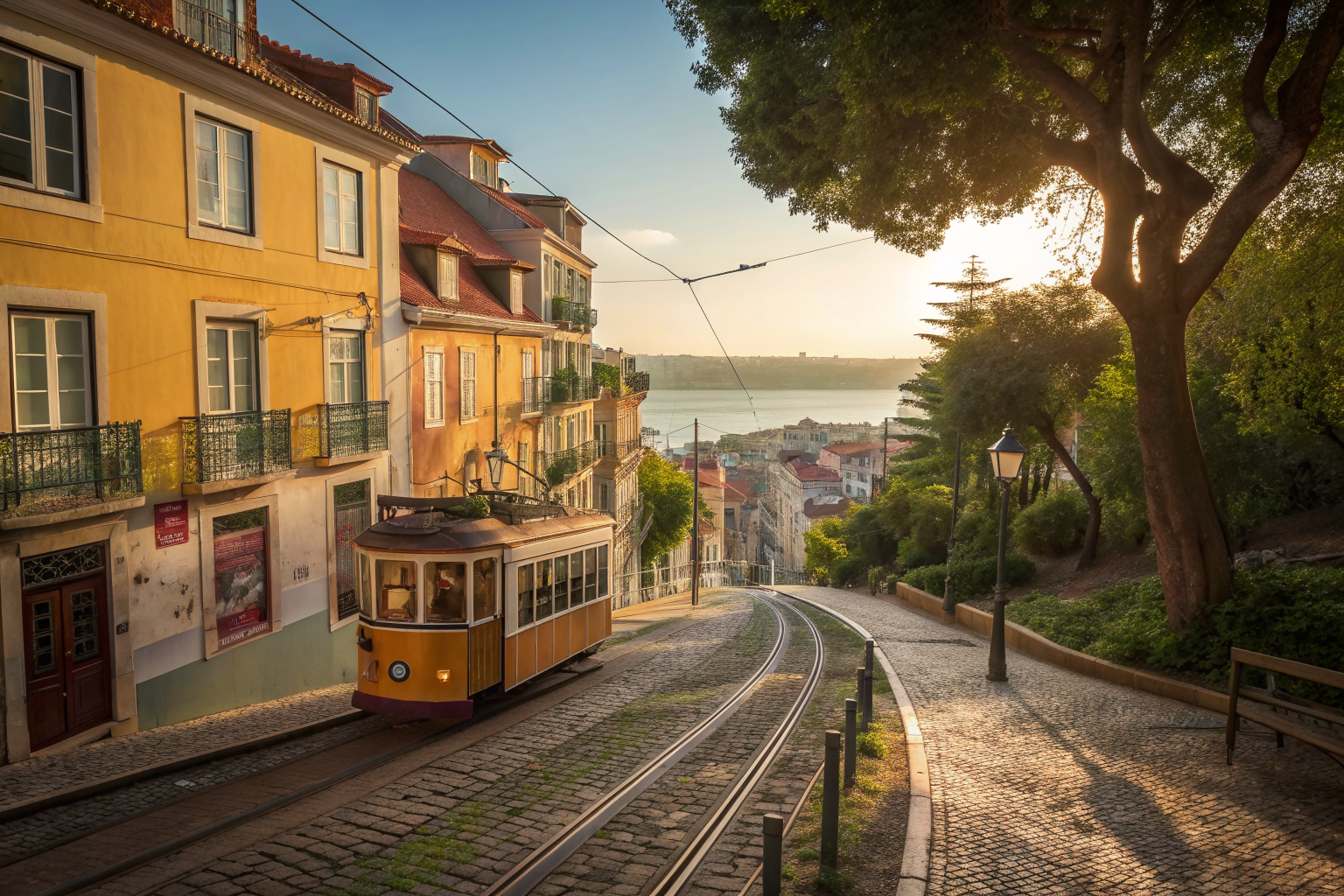
Exploring neighbourhood Lisbon from Alfama to Principe Real

Exploring neighbourhood Lisbon from Alfama to Principe Real

Choosing the right neighbourhood lisbon is essential for experiencing the city’s diverse and vibrant character. Lisbon is a mosaic of distinct districts (bairros), each offering a unique atmosphere, from the historic, maze-like streets of Alfama to the chic, bohemian vibes of Príncipe Real. Understanding these differences helps visitors and potential residents find the perfect area to match their lifestyle, budget, and interests, ensuring a more enjoyable and authentic experience.

Key Benefits at a Glance

  • Historic Charm: Explore Alfama and Graça for an authentic feel, with traditional Fado music, stunning castle views, and ancient architecture.
  • Central & Convenient: Stay in Baixa or Chiado for unparalleled access to shopping, major downtown attractions, and the city’s main transport hubs.
  • Vibrant Nightlife: Experience Lisbon’s best bars and energetic atmosphere in Bairro Alto and Cais do Sodré, home to the famous Pink Street.
  • Trendy & Peaceful: Discover chic boutiques, art galleries, and lush gardens in Príncipe Real, or enjoy the calm, family-friendly parks of Estrela.
  • Iconic Landmarks: Visit Belém for its world-famous monuments, scenic riverside walks, and delicious, original pastéis de nata.

Purpose of this guide

This guide is for travelers, expats, and anyone planning a trip who feels overwhelmed by the choice of where to stay in Lisbon. It simplifies the decision-making process by breaking down the city’s main neighborhoods based on atmosphere, cost, safety, and attractions. You’ll learn how to match a district to your specific travel style, whether you seek lively nightlife, a quiet family base, or a cultural hub. By understanding these key differences, you can avoid common mistakes like booking in a loud area when you want peace and confidently choose the perfect home base for your trip.

Exploring Lisbon's neighborhoods through a local lens

After seven visits to Lisbon over the past decade, I've learned that understanding this magnificent city requires more than just checking off major landmarks. Each return trip has revealed new layers of Portugal's capital, from hidden tascas tucked away in Alfama's labyrinthine streets to emerging creative spaces in industrial Alcântara. What started as typical tourist exploration evolved into a deep appreciation for how Lisbon's unique topography creates distinct neighborhood personalities, each offering its own slice of Portuguese culture and daily life.

My passion for neighborhood exploration began during my second visit when I realized that staying in just one area meant missing the city's incredible diversity. From the Moorish heritage of hillside Alfama to the grand Pombaline architecture of riverside Baixa, every district tells a different story of Lisbon's evolution through centuries of history, triumph, and reinvention.

  • Lisbon’s seven hills create distinct neighborhood atmospheres and characters
  • Each neighborhood offers unique experiences – from historic Alfama to creative LX Factory
  • Multi-neighborhood exploration reveals the city’s full diversity beyond single-area stays
  • Topography significantly impacts transportation choices between districts
  • The 1755 earthquake shaped modern Baixa’s grid layout versus organic older neighborhoods

Understanding Lisbon's neighborhood layout

Lisbon sprawls along the north bank of the Tagus River, its neighborhoods cascading down from seven distinct hills toward the water. This unique geography creates the city's most defining characteristic: dramatic elevation changes that give each district its own microclimate and atmosphere. During my first visit, I underestimated these hills completely, spending an exhausting day attempting to walk from riverside Cais do Sodré up to São Jorge Castle without understanding the terrain.

The Tagus River serves as Lisbon's southern boundary and historical lifeline, with neighborhoods like Belém and Cais do Sodré developing around maritime commerce. As you move inland and upward, the character shifts dramatically. Alfama, perched on one of the eastern hills, survived the devastating 1755 earthquake that leveled much of the city, preserving its medieval Moorish layout of narrow, winding streets that follow the natural contours of the hillside.

NeighborhoodElevationCharacterHistorical Note
AlfamaHillsideMoorish HeritageSurvived 1755 earthquake
BaixaRiver LevelGrid LayoutRebuilt after 1755 earthquake
Bairro AltoElevatedBohemianTraditional nightlife district
BelémRiversideMonumentalAge of Discoveries legacy

In stark contrast, Baixa represents post-earthquake urban planning at its finest. The Marquis of Pombal's reconstruction created the orderly grid of streets you see today, with wide boulevards and uniform building heights that feel completely different from the organic medieval quarters. This systematic approach extended to neighboring Chiado, creating central Lisbon's commercial and cultural heart.

Understanding this layout proved crucial for planning efficient exploration routes. The hills aren't just scenic features – they're natural barriers that influence everything from transportation choices to neighborhood development patterns, creating the diverse tapestry that makes Lisbon so compelling to explore.

How to get around Lisbon

Navigating Lisbon's challenging topography requires strategy, and after multiple visits using every transport method available, I've developed a practical approach that balances efficiency with authentic experience. The iconic Tram 28 deserves its reputation as both tourist attraction and practical transport, winding through several key neighborhoods including Alfama, Baixa, and Bairro Alto. However, the crowds can be overwhelming, especially during peak hours.

TransportProsConsBest For
Tram 28Scenic route, iconic experienceLong queues, crowdedFirst-time visitors
MetroFast, air-conditionedLimited hill coverageLonger distances
BusesExtensive networkCan be confusingLocal exploration
WalkingFree, authentic discoverySteep hills, tiringShort distances

My best Tram 28 experiences came from boarding at terminal stations (Martim Moniz or Campo Ourique) rather than popular stops like Baixa. The metro system efficiently connects major areas but doesn't reach the hillside neighborhoods where much of Lisbon's character lies. I've found the bus network surprisingly comprehensive once you understand the routes, though language barriers can make it challenging for first-time visitors.

The city's elevadores (funiculars) and elevators aren't just tourist attractions – they're practical solutions to the hill challenge. Elevador da Glória connects downtown to Bairro Alto, while Elevador da Bica provides access to trendy Cais do Sodré. Don't overlook these mechanical helpers; they've saved my legs countless times during long exploration days.

For apps, I rely on Citymapper for real-time transit information and Moovit for comprehensive route planning. Both handle Lisbon's multi-modal transport network well, including those crucial elevation changes that can turn a 10-minute walk into a 30-minute uphill climb.

Alfama and Graça: Lisbon's historic soul

Alfama remains my favorite Lisbon neighborhood after all these years, a testament to its authentic charm that transcends typical tourist appeal. As the city's oldest district, it carries centuries of history in its narrow cobblestone streets and pastel-colored houses that seem to lean into each other for support. The Moorish influence appears everywhere – in the maze-like layout designed for defense, in the hidden courtyards where neighbors still gather to gossip, and in the architectural details that survived both time and the 1755 earthquake.

São Jorge Castle crowns Alfama's highest point, offering spectacular panoramic views that justify the climb. But the real magic happens in the streets below, where Fado music drifts from restaurant windows and elderly residents sit on their doorsteps watching neighborhood life unfold. During one memorable evening, I stumbled into a tiny tasca where the owner's grandmother emerged from the kitchen to sing an impromptu Fado song, creating the kind of authentic moment that guidebooks can't manufacture.

  • São Jorge Castle – panoramic city views and Moorish history
  • Portas do Sol viewpoint – perfect sunset spot with Tagus River views
  • Authentic Fado restaurants – experience Portugal’s soulful music tradition
  • Tram 28 route through narrow streets – iconic Lisbon experience
  • Graça street art – vibrant murals by local and international artists
  • Hidden tascas – traditional taverns serving local specialties

Graça, Alfama's hilltop neighbor, offers a more residential perspective while maintaining the historic atmosphere. The Miradouro da Graça provides arguably the best sunset views in the city, with the Tagus River and 25 de Abril Bridge creating a dramatic backdrop. Unlike some viewpoints that feel purely touristic, Graça's miradouro retains its local character, with neighborhood residents joining visitors for evening drinks at the adjacent terrace bar.

The contrast between morning and evening in these neighborhoods fascinates me. Early mornings reveal daily life – children walking to school, elderly women carrying fresh bread from the padaria, the sound of Fado practice floating from open windows. By evening, the atmosphere transforms as restaurants fill with diners seeking authentic Portuguese cuisine and the haunting melodies of live Fado performances.

Where to eat in Alfama and Graça

Authentic dining in Alfama requires venturing beyond the main tourist strips into residential streets where locals actually eat. Taberna Real do Fado combines excellent traditional cuisine with intimate Fado performances, but my most memorable meal happened at a tiny family-run tasca on Rua de São Miguel, where the owner's wife prepared cataplana de marisco (seafood stew) that wasn't even on the menu.

In Graça, Taberna do Real offers refined Portuguese cuisine with neighborhood authenticity, while the small tascas around Largo da Graça serve excellent petiscos (small plates) paired with local wines. The key to finding authentic spots lies in observing where Portuguese families dine together – these establishments prioritize food quality over tourist-friendly amenities, often resulting in better meals at lower prices.

Best street art in Graça

Graça's street art scene has exploded over recent years, transforming ordinary walls into outdoor galleries that reflect both local identity and international artistic collaboration. The most impressive pieces cluster around Calçada do Monte, where large-scale murals address themes of neighborhood gentrification, Portuguese history, and cultural identity.

  • Calçada do Monte – large-scale murals with neighborhood themes
  • Rua da Graça – Vhils portrait installations on building walls
  • Largo da Graça – rotating community art projects and local artists
  • Hidden alleyways – discover spontaneous works by emerging artists

Portuguese artist Vhils has created several striking portrait installations on Rua da Graça, using his signature technique of carving faces into building facades. These works engage directly with the neighborhood's character, often featuring portraits of longtime residents. During one visit, I watched a local artist working on a new piece while discussing the project with curious neighbors – these interactions demonstrate how street art has become integrated into Graça's cultural fabric rather than imposed upon it.

Baixa and Chiado: the central hub

Baixa and Chiado represent Lisbon's elegant commercial heart, where grand boulevards and historic squares create a completely different atmosphere from the medieval quarters. Baixa's Pombaline architecture – named after the Marquis of Pombal who rebuilt this area after the 1755 earthquake – showcases 18th-century urban planning with its rational grid layout and earthquake-resistant construction techniques.

The pedestrianized Rua Augusta serves as Baixa's main artery, connecting Rossio Square to Praça do Comércio while providing endless people-watching opportunities. Street performers create impromptu entertainment throughout the day, from classical musicians to contemporary dancers, adding vibrancy to the historic setting. The contrast with nearby Alfama couldn't be more dramatic – where Alfama's streets follow medieval patterns, Baixa's boulevards march in orderly formation toward the river.

  1. Watch street performers at pedestrian Rua Augusta
  2. Enjoy coffee at historic Café A Brasileira in Chiado
  3. Shop for traditional Portuguese products at century-old stores
  4. Take sunset views from Santa Justa Elevator observation deck
  5. People-watch at bustling Rossio Square with wave-pattern tiles

Chiado seamlessly connects to Baixa while maintaining its own sophisticated character. This upscale district combines cultural venues with elegant shopping, creating an atmosphere that feels both cosmopolitan and distinctly Portuguese. Café A Brasileira, with its outdoor tables and literary history, epitomizes Chiado's intellectual tradition – Fernando Pessoa's bronze statue still occupies his favorite table outside.

Praça do Comércio, Baixa's magnificent riverside square, demonstrates the grand scale of Pombal's vision. The symmetrical yellow buildings frame the Tagus River perfectly, creating one of Europe's most impressive urban spaces. Early morning visits reveal the square's true proportions without crowds, while sunset transforms the yellow facades into golden backdrops for the river view.

Bairro Alto and Cais do Sodré: nightlife and cultural centers

Bairro Alto undergoes one of Lisbon's most dramatic daily transformations. During daylight hours, this elevated neighborhood maintains a quiet residential character with narrow streets, traditional architecture, and local shops serving neighborhood residents. But as evening approaches, the district awakens as Lisbon's premier nightlife destination, with tiny bars spilling onto cobblestone streets and the sound of conversation and music filling the air until dawn.

The bohemian tradition runs deep here – Bairro Alto has been a gathering place for artists, writers, and free spirits since the 16th century. Traditional Fado houses operate alongside modern cocktail bars, creating a unique blend of authentic Portuguese culture and contemporary nightlife. During one visit, I discovered a tiny jazz club hidden behind an unmarked door, where local musicians jammed until 3 AM while patrons squeezed into a space barely larger than a living room.

  • Authentic Fado houses – traditional Portuguese music in intimate settings
  • Craft cocktail bars – innovative drinks with local ingredients
  • Live music venues – jazz, indie, and world music performances
  • Traditional taverns – local wine and petiscos with neighborhood atmosphere
  • Late-night clubs – dancing until dawn with international DJs
  • LGBTQ+ friendly spots – welcoming venues in Portugal’s most open district

Cais do Sodré, at the bottom of the hill, has experienced remarkable regeneration over the past decade. The famous Pink Street (Rua Nova do Carvalho) symbolizes this transformation – once a red-light district, it's now painted bright pink and lined with trendy bars, restaurants, and clubs. The contrast between old and new creates fascinating juxtapositions, with traditional Portuguese tiles adorning modern gastropubs and century-old buildings housing contemporary art galleries.

The waterfront location adds another dimension to Cais do Sodré's appeal. Ferry connections to the south bank provide easy access to Cristo Rei statue and Almada's beaches, while the riverside promenade offers respite from the urban intensity. Time Out Market has become a food hall destination, though I prefer the smaller, family-run restaurants tucked into side streets for more authentic dining experiences.

Cultural attractions beyond the nightlife

While Bairro Alto's nightlife reputation dominates, the neighborhood and adjacent Chiado offer substantial cultural attractions that justify daytime visits. The São Carlos National Theater, Portugal's premier opera house, presents world-class performances in an intimate 18th-century setting. I've attended several productions here, and the combination of architectural beauty and acoustic excellence creates an unforgettable experience.

Chiado Museum showcases Portuguese art from the 19th and 20th centuries, while MUDE (Museum of Design and Fashion) presents rotating exhibitions that connect Portuguese design heritage with contemporary international trends. These venues rarely appear on tourist itineraries, making them perfect for experiencing Lisbon's cultural depth without crowds.

Belém: monumental Lisbon

Belém stands apart from central Lisbon both geographically and atmospherically, its monumental architecture and maritime heritage creating a district dedicated to Portugal's Age of Discoveries glory. Located about 6 kilometers west of downtown along the Tagus River, Belém requires a separate expedition but rewards visitors with some of Portugal's most significant historical and cultural sites.

The UNESCO World Heritage sites of Belém Tower and Jerónimos Monastery anchor the district's appeal, but the entire area reflects Portugal's 15th and 16th-century maritime supremacy. Belém Tower, despite its modest size, carries enormous symbolic weight as the departure point for Portuguese explorers heading to Africa, Asia, and the Americas. The fortress's Manueline architecture, with its maritime motifs and ornate stonework, represents Portuguese confidence at the height of their global influence.

AttractionWhat Makes It SpecialMy Top Tip
Belém TowerUNESCO site, maritime fortressVisit early morning to avoid crowds
Jerónimos MonasteryManueline architecture masterpieceCombine with Maritime Museum ticket
Monument to DiscoveriesAge of Exploration tributeClimb for panoramic river views
Pastéis de BelémOriginal custard tart recipeGo mid-afternoon, skip weekend mornings
Maritime MuseumPortugal’s naval historyAllow 2 hours, excellent for families

Jerónimos Monastery impresses with its scale and architectural sophistication, housing Vasco da Gama's tomb and showcasing the wealth that Portuguese exploration brought to the kingdom. The cloisters provide a peaceful contrast to the grand church, with intricate stone carving that rewards close examination. I always combine monastery visits with the adjacent Maritime Museum, which contextualizes Portugal's naval achievements through ship models, navigation instruments, and historical artifacts.

The ritual of visiting Pastéis de Belém has become as important as the monuments themselves. This bakery has been producing custard tarts using the original recipe since 1837, creating a tradition that connects contemporary visitors with centuries of Portuguese culinary heritage. The secret lies in timing – mid-afternoon visits avoid both tourist bus crowds and local lunch rushes, allowing you to savor these iconic pastries with proper Portuguese coffee in a more relaxed atmosphere.

Príncipe Real and Estrela: elegant and residential

These upscale neighborhoods offer glimpses into Lisbon's elegant residential life, away from the tourist intensity of central districts. Príncipe Real centers around its beautiful garden square, where century-old trees provide shade for locals reading newspapers, mothers watching children play, and visitors discovering one of Lisbon's most peaceful urban spaces.

“Hands down it’s Príncipe Real. It has everything you want – a good location, easy access to public transport, a cool and not overly touristy atmosphere, and great dining.”
Go Ask A Local, 2024
Source link

The shopping in Príncipe Real focuses on Portuguese design and craftsmanship rather than international chains. Embaixada, housed in a restored 19th-century palace, showcases Portuguese fashion, design, and artisanal products in an architectural setting that rivals the merchandise. This concept store represents the neighborhood's approach to commerce – sophisticated, locally-focused, and aesthetically conscious.

  • Embaixada concept store in restored 19th-century palace
  • Saturday organic farmers market at Príncipe Real garden
  • Secret garden cafes hidden behind historic building facades
  • Artisanal Portuguese design shops and independent boutiques
  • Neo-classical Estrela Basilica with panoramic dome views
  • Local-approved restaurants away from tourist crowds

Estrela, centered around its impressive basilica and beautiful garden, maintains an even more residential character. Jardim da Estrela provides a perfect retreat after intensive sightseeing, with duck ponds, tree-lined paths, and local families creating an authentic neighborhood atmosphere. The basilica's dome offers panoramic city views rivaling those from more famous viewpoints, but with a fraction of the crowds.

The restaurants in these neighborhoods cater primarily to locals, resulting in higher quality and more authentic Portuguese cuisine. During one visit, a local resident recommended a tiny family restaurant on a side street near Estrela, where the daily menu changed based on seasonal ingredients and the chef's inspiration – exactly the kind of discovery that makes neighborhood exploration so rewarding.

Alcântara and LX Factory: industrial chic

Alcântara represents Lisbon's successful transformation of industrial space into creative hub, with LX Factory serving as the centerpiece of this urban regeneration. This former industrial complex now houses artists' studios, design shops, restaurants, and cultural venues, creating an alternative atmosphere that contrasts sharply with traditional Lisbon neighborhoods.

LX Factory's conversion from textile manufacturing to creative space demonstrates how abandoned industrial infrastructure can gain new life while preserving architectural character. The complex feels authentically alternative rather than artificially hip, with genuine artists and entrepreneurs creating businesses alongside tourists exploring the unique atmosphere.

  • Ler Devagar bookstore – stunning converted industrial space with books floor to ceiling
  • Sunday market – vintage finds, local crafts, and artisanal food
  • Rooftop bars with 25 de Abril Bridge views – perfect for sunset drinks
  • Street art installations – constantly evolving murals and sculptures
  • Creative workshops and cultural events – check schedule for unique experiences
  • Concept stores and design shops – Portuguese designers and international brands

Ler Devagar bookstore exemplifies LX Factory's creative reuse philosophy, transforming a massive industrial space into a bibliophile's paradise with books stacked floor to ceiling and reading nooks scattered throughout the cavernous interior. The Sunday market brings together vintage dealers, local artisans, and food vendors, creating a community atmosphere that extends beyond mere shopping.

The views from LX Factory's elevated location showcase Lisbon's industrial heritage alongside its natural beauty, with the 25 de Abril Bridge dominating the skyline and the Tagus River reflecting the changing light throughout the day. Several rooftop bars and restaurants capitalize on these perspectives, offering sunset drinks with some of the city's most dramatic views.

Street art continuously evolves throughout the complex, with both commissioned pieces and spontaneous works appearing regularly. During my most recent visit, I discovered a new installation that hadn't existed six months earlier, demonstrating how LX Factory maintains its creative edge through constant reinvention.

Best things to do in each Lisbon neighborhood

After exploring Lisbon extensively across multiple visits, certain experiences stand out as essential for understanding each neighborhood's unique character. Rather than simply listing popular attractions, these recommendations balance must-see sights with authentic local experiences that reveal why each district matters to Lisbon's overall identity.

  1. Alfama: São Jorge Castle, Fado performance, labyrinthine street wandering
  2. Graça: Miradouro viewpoints, street art discovery, local tasca dining
  3. Baixa: Rossio Square, Santa Justa Elevator, Rua Augusta pedestrian zone
  4. Chiado: Historic cafés, elegant shopping, cultural venues
  5. Bairro Alto: Nightlife exploration, bohemian atmosphere, traditional taverns
  6. Belém: UNESCO monuments, Pastéis de Belém, Maritime Museum
  7. Príncipe Real: Garden relaxation, boutique shopping, architectural gems
“The most traditional neighborhoods are Baixa, Chiado, Bairro Alto, Alfama, and Belém. Each one of these districts has its own unique vitality and essence.”
Lisbon.net, 2024
Source link

In Alfama, the combination of São Jorge Castle's historical significance with authentic Fado performances creates an immersive experience that connects visitors with Portuguese culture on multiple levels. But equally important is simply wandering the neighborhood's maze-like streets, discovering hidden squares and observing daily life unfold in this ancient district.

Graça's appeal lies in its balance of spectacular viewpoints with genuine local atmosphere. The miradouros provide Instagram-worthy sunset shots, but the neighborhood's street art and family-run tascas offer cultural depth that extends far beyond scenic photography.

Central districts like Baixa and Chiado excel at combining practical urban functions with historical significance. Rossio Square serves as both transportation hub and architectural showcase, while Santa Justa Elevator provides both stunning views and efficient vertical transportation up Lisbon's challenging hills.

Where to stay: choosing the right Lisbon neighborhood for you

Selecting the optimal neighborhood for accommodation significantly impacts your Lisbon experience, and my perspective on this choice has evolved through staying in different areas across multiple visits. Each district offers distinct advantages depending on your travel style, interests, and priorities.

Traveler TypeBest NeighborhoodsWhy It’s Perfect
First-time visitorsBaixa, ChiadoCentral location, major attractions walkable
Nightlife seekersBairro Alto, Cais do SodréHeart of Lisbon’s evening scene
Culture enthusiastsAlfama, GraçaHistoric atmosphere, authentic experiences
FamiliesPríncipe Real, EstrelaQuiet, safe, parks and gardens nearby
Budget travelersGraça, AlcântaraLower prices, good transport connections
Luxury seekersChiado, Príncipe RealUpscale amenities, elegant surroundings

First-time visitors benefit most from central locations in Baixa or Chiado, where major attractions remain within walking distance and excellent public transportation provides easy access to outlying neighborhoods. These areas offer the highest concentration of restaurants, shops, and cultural sites, reducing the need for extensive travel planning.

My personal evolution as a repeat visitor led me to prefer more residential neighborhoods like Príncipe Real or Graça, where accommodation costs less while providing authentic insights into local life. The trade-off involves slightly longer commutes to major tourist sites, but the cultural immersion and peaceful evenings more than compensate for the extra travel time.

Nightlife enthusiasts should prioritize Bairro Alto or Cais do Sodré, where the evening entertainment literally happens outside your door. However, be prepared for significant noise levels until late hours – this proximity to nightlife comes with acoustic consequences that light sleepers should consider carefully.

Best hotels and accommodations by neighborhood

Concrete accommodation recommendations based on personal experience and extensive research across price ranges help translate neighborhood preferences into specific booking decisions. These suggestions reflect properties I've either stayed at personally or recommended to friends and family with consistently positive feedback.

NeighborhoodBudget OptionMid-RangeLuxurySpecial Feature
AlfamaLocal guesthousesBoutique hotelsHistoric palacesFado house proximity
BaixaHostelsBusiness hotelsGrand hotelsShopping accessibility
Bairro AltoParty hostelsDesign hotelsRooftop suitesNightlife immersion
Príncipe RealB&BsGarden hotelsPalace conversionsQuiet elegance

In Alfama, small guesthouses and quintas provide authentic experiences often run by local families who offer insider neighborhood knowledge. These properties typically feature traditional Portuguese architecture and décor while maintaining modern amenities. For luxury seekers, several historic palaces have been converted into boutique hotels that preserve architectural heritage while providing contemporary comfort.

Príncipe Real offers the best balance of location, atmosphere, and value, with accommodations ranging from charming bed-and-breakfasts in restored townhouses to sophisticated boutique hotels with garden courtyards. The neighborhood's residential character ensures peaceful nights while maintaining easy access to central attractions.

Getting around: navigating between Lisbon's neighborhoods

Efficient inter-neighborhood navigation requires understanding how Lisbon's topography affects different transportation modes and developing strategies that minimize both time and physical effort. After years of experience exploring the city, I've learned that successful neighborhood-hopping depends more on smart route planning than simply knowing transit options.

The key insight involves recognizing elevation patterns and using them to your advantage. Descending neighborhoods like walking from Bairro Alto to Cais do Sodré feels effortless, while the reverse journey demands mechanical assistance. Planning exploration routes that follow elevation contours or utilize transportation for uphill segments transforms exhausting days into enjoyable discoveries.

  1. Buy a Viva Viagem card for seamless access to all public transport
  2. Use elevators and funiculars strategically to conquer steep hills
  3. Download Citymapper or Moovit app for real-time transit information
  4. Know when to splurge on taxis or Uber for time-saving hill climbs
  5. Plan strategic routes that minimize uphill walking between neighborhoods

Lisbon’s vibrant neighborhoods like Alfama and Baixa offer historic charm with narrow streets and landmarks. Baixa, rebuilt after the 1755 earthquake, features grid layouts and central squares, while Alfama preserves medieval alleys and Fado origins. For modern vibes, explore Bairro Alto, known for nightlife and bohemian energy. Príncipe Real stands out for upscale shopping and local dining, ideal for first-timers seeking less touristy spots.

The Viva Viagem card provides access to all public transportation modes – metro, buses, trams, and funiculars – with significant cost savings for multi-day exploration. More importantly, it eliminates the need to purchase individual tickets, streamlining the boarding process during busy exploration days.

Strategic use of mechanical assistance transforms Lisbon navigation from exhausting to enjoyable. Elevador da Glória connects Baixa to Bairro Alto, Elevador da Bica links downtown to Cais do Sodré, and Santa Justa Elevator provides both transportation and panoramic views. These aren't just tourist attractions – they're practical solutions to the city's topographical challenges that locals use daily.

Real-time transit apps become essential for efficient neighborhood exploration, particularly for timing connections and avoiding overcrowded vehicles. Citymapper excels at multi-modal route planning, while Moovit provides comprehensive coverage of Lisbon's entire public transportation network, including real-time arrival information that helps minimize waiting times during busy exploration schedules.

Frequently Asked Questions

The best neighborhoods to stay in Lisbon include Baixa for its central location and accessibility, Chiado for its elegant vibe and shopping, and Alfama for its historic charm. Bairro Alto is ideal for nightlife enthusiasts, while Príncipe Real offers a trendy, upscale atmosphere. Consider your preferences like proximity to attractions or a quieter stay when choosing.

Baixa and Chiado are among the most walkable neighborhoods in Lisbon, with flat streets, numerous pedestrian areas, and easy access to major sights. Alfama offers a walkable but hilly experience with narrow alleys perfect for exploring on foot. These areas allow visitors to navigate Lisbon’s highlights without relying heavily on public transport.

Baixa is often recommended as the best neighborhood for first-time visitors to Lisbon due to its central location, proximity to key attractions like Rossio Square, and excellent public transport links. It provides a mix of history, shopping, and dining options, making it easy to explore the city. Chiado is another great choice for its cultural vibe and accessibility.

Alfama is Lisbon’s oldest neighborhood, known for its narrow streets, historic sites like São Jorge Castle, and authentic Fado music, offering a more traditional and residential feel. In contrast, Bairro Alto is vibrant and bohemian, famous for its nightlife, bars, and street parties, with a younger, more energetic atmosphere. While Alfama is ideal for cultural immersion, Bairro Alto suits those seeking evening entertainment.

Lisbon’s neighborhoods vary in atmosphere: Baixa is bustling and commercial with a tourist-heavy vibe, while Alfama feels historic and melancholic with its Fado heritage. Bairro Alto exudes energy and creativity, especially at night, and Graça offers a laid-back, artistic feel with stunning views. Each area provides a unique slice of Lisbon’s diverse character, from lively to serene.

Bairro Alto is widely regarded as the neighborhood with the best nightlife in Lisbon, featuring countless bars, clubs, and live music venues that spill out onto the streets after dark. Cais do Sodré offers a trendy alternative with its mix of trendy bars and electronic music spots. These areas attract a diverse crowd looking for vibrant evenings out.


  • The journey begins with a ticket. And it continues with the right route.
    All that remains is to decide what to see. Now comes the most interesting part.