
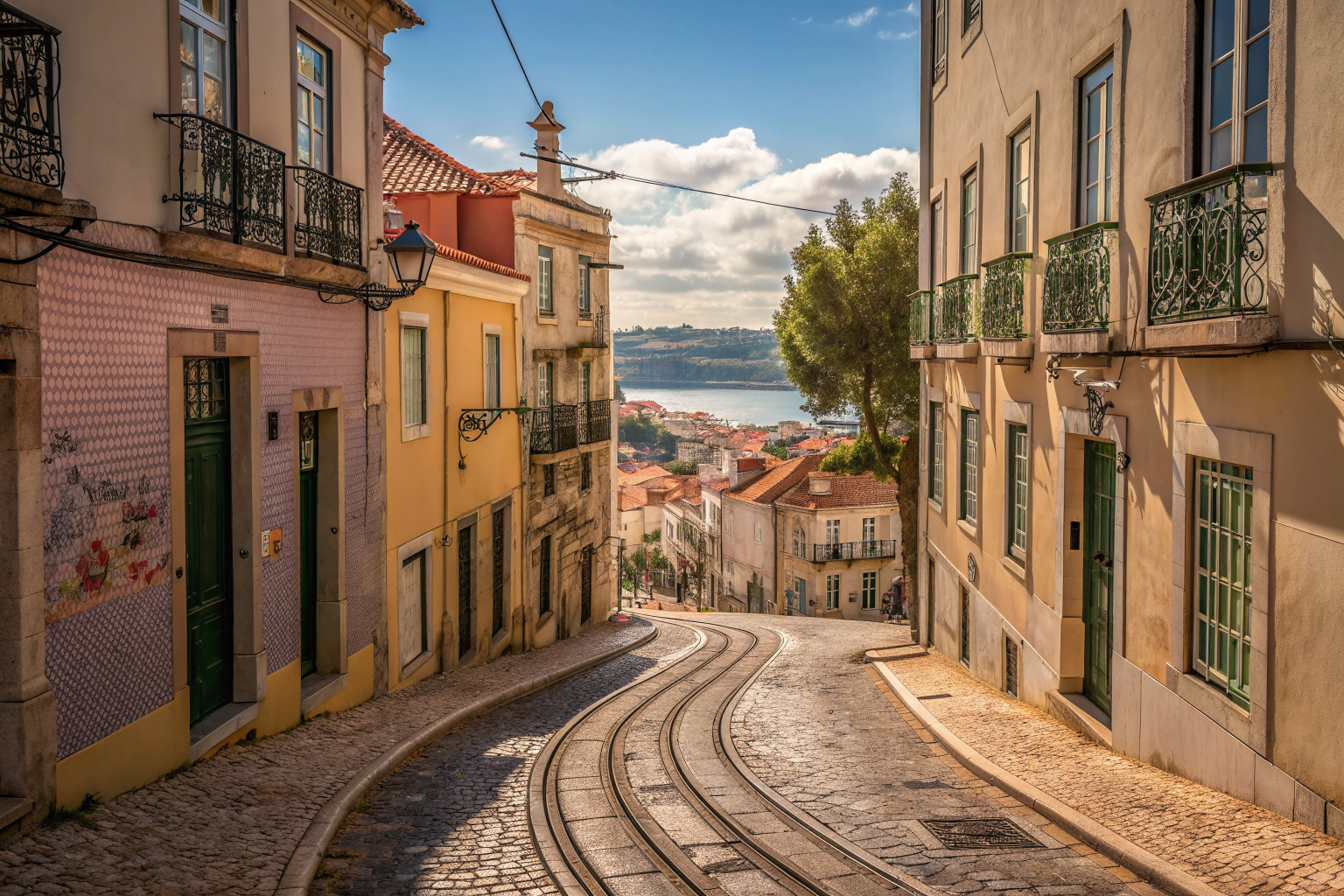
Lisbon Old Town usually refers to the city’s historic core, especially areas like Alfama, Baixa, Chiado, and parts of Bairro Alto. This is where you’ll find narrow lanes, viewpoints, old churches, traditional Fado, and many of Lisbon’s most recognizable streets and landmarks.
If it’s your first time in Lisbon, the old town is the best place to focus your time. It is the most atmospheric part of the city, but it is also hilly, busy in places, and less straightforward than modern neighborhoods, so it helps to know what to expect before you go.
In this guide, you’ll find the best areas of Lisbon Old Town, what to see, where to stay, how to get around, and how to plan your visit without wasting time.
Quick picks: Lisbon Old Town
- Best area for atmosphere: Alfama
- Best area for convenience: Baixa
- Best for culture and cafes: Chiado
- Best for nightlife: Bairro Alto
- Best viewpoint area: Graça and Alfama
- Best for first-time visitors: Baixa or Chiado
For a broader breakdown of the city, see our full guide to Lisbon neighborhoods before choosing where to stay.
Why Lisbon Old Town is worth visiting
Lisbon Old Town is the most rewarding part of the city for first-time visitors because it combines history, viewpoints, food, and everyday street life in one walkable area. You can move from medieval lanes in Alfama to grand squares in Baixa and stylish cafes in Chiado within the same day.
The old town is not one single district but a cluster of historic neighborhoods with different personalities. That mix is what makes it so memorable, but it also means planning matters more here than in flatter, more modern parts of Lisbon.
Understanding Lisbon’s Old Town: what to expect

Lisbon Old Town is beautiful, but it is not the easiest part of the city to navigate. Streets can be steep, paving stones can be slippery, and some areas are much better for wandering than for dragging luggage or trying to cover a lot of ground quickly.
The main thing to expect is contrast. Alfama feels old, hilly, and atmospheric, while Baixa feels flatter, more organized, and easier to navigate. Chiado sits between historic charm and city convenience, while Bairro Alto changes dramatically between day and night.
Geography and layout of the historic center
Lisbon Old Town spreads across several hills above the Tagus River, which is why the experience changes so much from one area to another. Baixa is flatter and easier to navigate, while Alfama, Graça, and parts of Bairro Alto involve more climbing, stairs, and viewpoints.
If you understand that Lisbon is a city of hills, the old town becomes much easier to plan. It often makes sense to use public transport or a tram for uphill stretches and walk downhill whenever possible.
- Baixa: flatter and easiest for first-time visitors
- Alfama: most atmospheric, but hilly and maze-like
- Chiado: central and elegant
- Bairro Alto: elevated and lively at night
When to visit Lisbon’s historic quarters
The best time to explore Lisbon Old Town is usually spring or fall, when temperatures are more comfortable for walking and the city feels less crowded than in peak summer.
- Spring: mild weather and good walking conditions
- Summer: lively atmosphere but more crowds and heat
- Fall: comfortable temperatures and fewer visitors
- Winter: quieter, cheaper, and still good for city breaks
If you visit in summer, start early in the day and leave the steepest walking for the morning or evening.
The distinct neighborhoods of Lisbon’s Old Town
For a broader area-by-area breakdown, read our full guide to Lisbon neighborhoods before deciding where to stay.
Lisbon Old Town is not one single place. It includes several historic neighborhoods, each with a different feel, so the best area depends on whether you care most about atmosphere, convenience, nightlife, or landmarks.
Alfama: Lisbon’s oldest and most atmospheric district
Alfama is the part of Lisbon Old Town most people imagine when they think of the city’s historic heart. It is known for narrow lanes, viewpoints, old houses, traditional Fado, and the climb up toward São Jorge Castle.
This is the best area for atmosphere, but not the easiest one for convenience. Streets are steep, navigation is less straightforward, and staying here works better if you value character more than easy transport.
- São Jorge Castle
- Miradouro de Santa Luzia
- Portas do Sol viewpoint
- Traditional Fado streets and small taverns
- Narrow alleys and old Lisbon atmosphere
Alfama is the core of historic Lisbon neighborhoods and the most iconic part of the city’s old town.
Baixa: the easiest and most central part of the old town
Baixa is the easiest area of Lisbon Old Town for first-time visitors. It is flatter, more organized, and better connected than Alfama, which makes it one of the best places to stay if convenience matters.
The main sights here include Praça do Comércio, Rua Augusta, Rossio, and the Santa Justa Elevator. It feels less intimate than Alfama, but much easier to navigate.
- Start at Praça do Comércio
- Walk Rua Augusta
- Continue to Rossio
- Take in the view from Santa Justa Elevator
Baixa sits at the heart of the Lisbon city centre, making it one of the most practical areas to stay.
Chiado: culture, cafes and central Lisbon charm
Chiado is one of the most balanced areas in Lisbon Old Town. It combines central access with historic cafes, shopping streets, cultural venues, and an elegant atmosphere.
If Baixa feels more practical, Chiado feels more polished and enjoyable for slower city time. It is a strong choice if you want to stay central without being right in the busiest nightlife streets.
- A Brasileira
- Bertrand Bookstore
- Carmo area
- Historic cafes and shopping streets
Bairro Alto: Lisbon’s best-known nightlife area
Bairro Alto is one of the most famous nightlife areas in Lisbon Old Town. During the day it feels relatively calm, but in the evening the streets fill with bars, music, and people moving between venues.
It is a good area if nightlife is part of your trip, but it is not the best base for travelers who want quiet nights or easy access with luggage.
- Best for bars and late evenings
- Not ideal for light sleepers
- Easy to combine with Chiado and Cais do Sodré
If you plan to go out here, read our guide to Pink Street in Lisbon to understand the nearby nightlife scene and what to expect after dark.
Belém: monuments, museums and riverside walks
Belém is sometimes included in broader old-town itineraries because it holds some of Lisbon’s most important landmarks, including Jerónimos Monastery, Belém Tower, and the Monument to the Discoveries.
It is more spread out and less atmospheric than Alfama, but it is one of the city’s essential sightseeing areas and easy to combine into a half-day or full-day plan.
- Start with Pastéis de Belém
- Visit Jerónimos Monastery
- Walk to the Monument to the Discoveries
- Finish at Belém Tower
Príncipe Real: a quieter area near the old town
Príncipe Real is not the core of Lisbon Old Town, but it is a good nearby area if you want a more polished and quieter base with cafes, boutiques, and easier evenings than Bairro Alto.
It works well for travelers who want to stay close to the historic center without staying directly inside the busiest old streets.
Must-see attractions and hidden gems in Lisbon Old Town
Iconic landmarks you shouldn’t miss
If it is your first time in Lisbon Old Town, focus on a few major sights rather than trying to do everything. The essentials are São Jorge Castle, Lisbon Cathedral, Santa Justa Elevator, and at least one good miradouro.
| Landmark | Why Go | Best Tip |
|---|---|---|
| São Jorge Castle | Views and history | Go earlier or later in the day |
| Lisbon Cathedral | Historic church and landmark | Good stop while moving between areas |
| Santa Justa Elevator | Views and easy access uphill | Expect lines |
| Portas do Sol | Classic old-town viewpoint | Best in softer morning or evening light |
Off-the-beaten-path treasures
One of the best things about Lisbon Old Town is that it rewards slow wandering. Beyond the main landmarks, smaller courtyards, quiet viewpoints, local shops, and side streets often become the most memorable part of a visit.
- Museu do Aljube
- Small viewpoints away from the busiest miradouros
- Traditional food shops and conserveiras
- Quiet alleys in Alfama away from the main tourist flow
Unique Lisbon experiences in the old town
Riding historic trams and funiculars
Historic trams and funiculars are part of the old-town experience, not just transport. Tram 28 is the most famous, but it is often crowded, so early morning is usually the best time to ride it.
- Ride Tram 28 early if possible
- Use funiculars to save your legs on the hills
- Keep an eye on belongings on busy routes
If you prefer not to rely only on public transport, compare your options in our guide to taxi and ride-hailing apps in Lisbon.
Fado: one of the most memorable old-town experiences
Hearing Fado in Alfama is one of the most memorable things you can do in Lisbon Old Town. Even if you do not usually seek out music experiences, the atmosphere of a small Fado house in the historic center is a big part of what makes Lisbon feel different from other European cities.
- DO book ahead for popular venues
- DO arrive early for a better table
- DON’T talk during the performance
- DON’T expect it to feel like a casual background show
Exploring Lisbon’s miradouros and viewpoints
Viewpoints are one of the highlights of Lisbon Old Town, especially because the city changes so much depending on the time of day. If you only have time for a few, choose one in Alfama and one higher up in Graça.
| Viewpoint | Best For | Best Time |
|---|---|---|
| Portas do Sol | Classic Alfama view | Morning or sunset |
| Santa Luzia | Atmosphere and photos | Morning |
| Graça | Broader city view | Late afternoon |
| Senhora do Monte | Highest panorama | Sunset |
Where to stay in Lisbon Old Town
The best place to stay in Lisbon Old Town depends on whether you want atmosphere, convenience, or nightlife. Alfama is the most atmospheric, Baixa is the easiest, and Chiado is a strong middle ground.
Boutique hotels and historic guesthouses
Staying in a historic building can make your old-town experience much more memorable, especially in areas like Alfama or Chiado. These stays usually offer more atmosphere than modern chain hotels, but they can also come with smaller rooms, stairs, and less practical access.
- Best for atmosphere: Alfama
- Best for convenience: Baixa
- Best balance: Chiado
Apartments and budget options
Budget travelers and longer-stay visitors often do better with apartments or simple guesthouses, especially if location matters more than hotel amenities. Before booking, check whether the building has stairs, what the noise level is like, and how far it is from the nearest easy transport connection.
- Check if the building has an elevator
- Be careful with nightlife-heavy streets
- Look at the real walking route, not just the map distance
Food and drink in Lisbon Old Town
Start your day the local way with one of our favorite breakfast spots in Lisbon before exploring the old town.
Traditional eateries and local favorites
One of the best reasons to spend time in Lisbon Old Town is the food. Small tascas, grilled fish, bacalhau dishes, and simple local restaurants are part of the experience, especially in Alfama and the streets just outside the most tourist-heavy routes.
- Book dinner ahead in busy seasons
- Try daily specials
- Choose places slightly away from the busiest viewpoints
- Plan for slower meals, especially in the evening
Markets, pastry shops and ginjinha bars
Pastry shops, old-school liquor stops, and specialty food stores are a big part of old-town Lisbon. Even a short stop for coffee, pastel de nata, or ginjinha can add a lot to a walking day.
- Pastéis de Belém for the most famous pastry stop
- Confeitaria Nacional for historic Lisbon pastry culture
- A Ginjinha for a classic local drink
Wine bars and newer dining spots
Alongside traditional taverns, Lisbon Old Town also has wine bars and more contemporary restaurants that make it easy to mix classic and modern experiences in one trip.
Practical tips for exploring Lisbon Old Town
How to get around the old town
The best way to explore Lisbon Old Town is on foot, but a mix of walking, trams, and funiculars usually works best because of the hills.
- Walk the flatter parts first
- Use transport for longer uphill sections
- Wear shoes with grip for cobblestones
- Use a Viva Viagem card if taking public transport often
Money-saving and timing tips
You do not need to spend a lot to enjoy Lisbon Old Town. Some of the best experiences here are free: viewpoints, wandering through Alfama, churches, street life, and scenic walks.
- Many viewpoints are completely free
- Walking gives you more than rushing between paid attractions
- Morning and late afternoon are the most pleasant times to explore
Getting to and from the airport
Lisbon Airport is close enough to the city that reaching the old town is relatively easy by metro, taxi, or ride-hailing app. The best option depends on how much luggage you have and where exactly you are staying.
| Option | Best For | Main Trade-Off |
|---|---|---|
| Metro | Budget travel | Less convenient with luggage |
| Taxi | Door-to-door comfort | More expensive |
| Ride-hailing app | Convenience and app pricing | Can vary by time and demand |
For airport transfers and short city rides, compare options in our guide to taxi apps in Lisbon.
When to use taxis, ride-hailing apps, or tuk-tuks
Use taxis or ride-hailing apps when you have luggage, are moving uphill, or are returning late at night. Tuk-tuks work better as a sightseeing option than as everyday transport.
How to plan a Lisbon Old Town itinerary
If you only have one day in Lisbon Old Town, focus on Alfama, Baixa, and either Chiado or one good viewpoint area. Trying to cover too many neighborhoods in a single day usually makes Lisbon feel rushed.
- Start in Baixa
- Walk uphill toward Alfama
- Visit a viewpoint and castle area
- Take a break for lunch or pastries
- End with Fado, dinner, or sunset views
If you want to combine the city with a wider Portugal itinerary, see our guide to the best day trips from Lisbon.
Frequently Asked Questions
Lisbon Old Town usually refers to the city’s historic core, especially areas like Alfama, Baixa, Chiado, and nearby hilltop districts with older streets, churches, and viewpoints.
Not exactly. Alfama is the most iconic part of Lisbon Old Town, but the broader old-town area also includes places like Baixa, Chiado, and parts of Bairro Alto.
Baixa and Chiado are usually the easiest choices for first-time visitors, while Alfama is better if you want more atmosphere and do not mind hills.
One full day is enough for the highlights, but two days is better if you want time for viewpoints, food, museums, and a slower pace.
Yes, but it is hilly. Walking is the best way to explore, though trams, funiculars, and taxis can make some uphill sections easier.
