
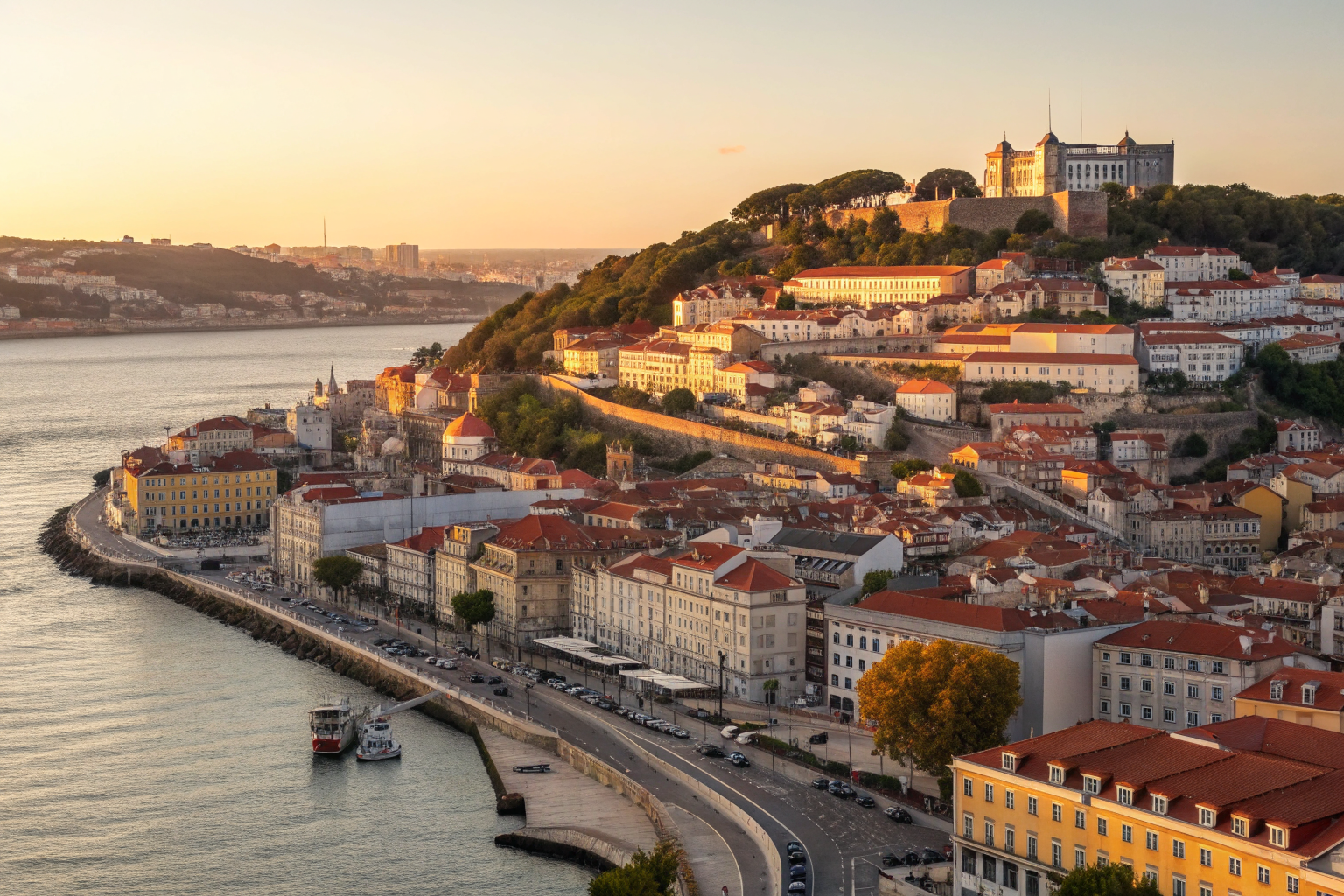
Lisbon City Centre insider guide to enchanting districts

Lisbon City Centre insider guide to enchanting districts

The lisbon city centre refers to the historic and commercial heart of Portugal’s capital, encompassing vibrant neighborhoods like Baixa, Chiado, Bairro Alto, and Rossio. This area is the central hub for tourism, celebrated for its grand plazas, iconic landmarks, and lively atmosphere. A common concern for visitors is understanding the best areas to stay, how to navigate its charming but hilly streets, and where key attractions are located for a convenient and memorable visit.

Key Benefits at a Glance

  • Effortless Exploration: Easily explore major attractions like Praça do Comércio, the Santa Justa Lift, and Rossio Square on foot, saving significant time and transport costs.
  • Unbeatable Transport Links: Access metro lines, historic trams (including the famous Tram 28), and trains for seamless travel to the airport, Belém, and Sintra.
  • Dynamic Food & Nightlife: Discover an endless array of traditional restaurants, historic “pastelarias,” rooftop bars in Chiado, and the lively nightlife of Bairro Alto.
  • Full Cultural Immersion: Stay steps away from historic monuments, Fado music venues, world-class museums, and beautiful tiled buildings for an authentic local experience.
  • Diverse Shopping Options: Find everything from luxury brands on Avenida da Liberdade to traditional souvenir shops and iconic food purveyors in the Baixa district.

Purpose of this guide

This guide is designed for travelers, particularly first-time visitors, planning a trip to Lisbon. It solves the primary challenge of navigating the city centre and choosing the best places to stay, eat, and explore. By following our tips, you will learn how to efficiently move between key neighborhoods like Baixa and Chiado, identify must-see sights while avoiding common tourist pitfalls, and make the most of your time. Our goal is to provide a practical roadmap for an unforgettable and stress-free Lisbon experience.

Introduction to Lisbon City Centre

Standing on the banks of the Tagus River, Lisbon City Centre represents the beating heart of Portugal's captivating capital. After spending countless hours exploring every cobblestone street and climbing every steep hill, I can confidently say that this historic district offers one of Europe's most rewarding urban experiences. The hilly terrain that defines Lisbon's character might challenge your legs, but it rewards visitors with breathtaking panoramic views and intimate neighborhood discoveries that make every climb worthwhile.

  • Best neighborhoods to explore and their unique characteristics
  • Top attractions and how to prioritize your time
  • Transportation tips for navigating the hilly terrain
  • Food recommendations from traditional to trendy spots
  • Insider advice for avoiding crowds and tourist traps

The Lisbon city centre encompasses several distinct neighborhoods, each with its own personality and attractions. From the earthquake-rebuilt elegance of Baixa to the medieval maze of Alfama, these areas form a compact but incredibly diverse urban tapestry. The Portugal connection runs deep here – this isn't just another European capital, but a city where maritime history, traditional culture, and modern Portuguese life intersect in fascinating ways.

What makes Lisbon's center unique is how the Tagus River setting and dramatic topography create natural boundaries and viewpoints throughout the area. Unlike flat cities where neighborhoods blend seamlessly, Lisbon's hills create distinct districts with their own microclimates and atmospheres. This hilly terrain that initially seems daunting becomes one of the city's greatest assets, offering surprise vistas and hidden corners that reward curious explorers.

Discovering Lisbon's Central Neighborhoods

The beauty of Lisbon City Centre lies in how its neighborhoods complement each other while maintaining distinct identities. Within a relatively small area, you can experience the grand formality of Baixa, the intellectual atmosphere of Chiado, the medieval authenticity of Alfama, and the bohemian energy of Bairro Alto. Each district tells part of Lisbon's story, from ancient origins to modern Portuguese culture.

  • Baixa: Elegant downtown with grid streets and grand squares
  • Chiado: Cultural heart with cafés, shops, and bookstores
  • Alfama: Medieval maze with Fado music and castle views
  • Bairro Alto: Daytime quiet, nighttime party central
  • Principe Real: Trendy upscale area favored by locals

During my first visit to Lisbon, I made the mistake of trying to see everything in one day, underestimating both the distances and the hills. What I learned is that these central districts are best savored slowly, with time to appreciate the architectural details, street art, and café culture that make each area special. The neighborhoods are interconnected by historic trams, funiculars, and steep staircases, creating a three-dimensional urban experience unlike anywhere else in Europe.

The key to understanding Lisbon's layout is recognizing that the Baixa serves as the central reference point, with other neighborhoods radiating outward and upward. Alfama climbs the hillside to the east, Bairro Alto rises to the west, and Chiado occupies the elevated area between Baixa and Bairro Alto. This vertical arrangement means that moving between neighborhoods often involves significant elevation changes, but also guarantees spectacular views.

While this guide focuses on the centre, our full neighborhood breakdown helps you understand how Baixa, Chiado, and Príncipe Real connect to wider Lisbon.

Baixa: Lisbon's Elegant Downtown District

Baixa stands as the geometric heart of Lisbon, a testament to 18th-century urban planning following the devastating 1755 earthquake. The Pombaline architecture that defines this district creates an almost mathematical beauty, with uniform building heights and coordinated facades that form elegant urban canyons. Unlike the organic medieval layout of other European city centers, Baixa's grid pattern makes navigation intuitive while maintaining visual grandeur.

“Lisbon’s downtown district is a vibrant hub of tourists and residents who walk through the paved streets and local, traditional shops.”
Pousadas of Portugal, 2024
Source link
  1. Praça do Comércio – Grand riverside square with triumphal arch
  2. Rua Augusta – Main pedestrian street connecting key squares
  3. Rossio Square – Historic heart with distinctive wave-pattern tiles
  4. Santa Justa Lift – Iron elevator offering panoramic city views
  5. Pombaline architecture – Uniform post-earthquake reconstruction style

Praça do Comércio serves as Baixa's crown jewel, opening dramatically toward the Tagus River with its imposing triumphal arch and surrounding arcaded buildings. The square's café terraces offer perfect people-watching spots, especially during late afternoon when golden light illuminates the yellow facades. From here, Rua Augusta stretches northward as a bustling pedestrian thoroughfare lined with shops, street performers, and outdoor restaurants.

Rossio Square anchors the northern end of Baixa, its distinctive black and white wave-pattern cobblestones creating an almost hypnotic effect. The square's National Theater and surrounding buildings showcase the district's architectural consistency while serving as a major transportation hub. The contrast between Rossio's intimate scale and Praça do Comércio's grandeur demonstrates Baixa's ability to create varied urban experiences within its orderly framework.

Chiado: The Cultural and Shopping Heart

Chiado represents Lisbon's sophisticated soul, where intellectual tradition meets contemporary Portuguese culture. This elevated neighborhood bridges the commercial energy of Baixa with the bohemian spirit of Bairro Alto, creating a unique atmosphere that attracts both locals and discerning visitors. The Santa Justa Lift provides a dramatic connection between Chiado and Baixa, its neo-Gothic ironwork offering both transportation and spectacular city views.

  • Visit A Brasileira café for authentic Portuguese coffee culture
  • Browse Livraria Bertrand, one of the world’s oldest bookstores
  • Shop for Portuguese fashion at Via Catarina shopping center
  • Take Santa Justa Lift for easy access to/from Baixa
  • Experience the area’s transformation from day to night

A Brasileira café epitomizes Chiado's literary heritage, its art nouveau interior and famous bronze statue of poet Fernando Pessoa attracting writers and intellectuals since 1905. The café's strong bica (Portuguese espresso) and traditional pastries provide the perfect fuel for exploring the neighborhood's bookshops, galleries, and designer boutiques. The surrounding streets buzz with a sophisticated energy that feels distinctly Portuguese rather than generically European.

The neighborhood's shopping scene balances international brands with uniquely Portuguese offerings. Portuguese fashion designers showcase their work in elegant boutiques, while traditional shops sell everything from handcrafted ceramics to vintage port wine. The area's bookstores maintain Chiado's intellectual reputation, with Livraria Bertrand's ancient shelves housing both Portuguese literature and international bestsellers in a setting that has welcomed readers since 1732.

Alfama: Lisbon's Ancient Soul

Alfama represents the emotional core of Lisbon, its narrow medieval streets and Moorish influences creating an atmosphere that survived both the 1755 earthquake and centuries of urban development. This hillside neighborhood climbs from the river toward São Jorge Castle, its labyrinthine layout encouraging exploration while rewarding visitors with intimate glimpses of traditional Portuguese life. The sound of Fado music drifting from tavern windows provides the perfect soundtrack for evening wanderings.

  • Miradouro da Senhora do Monte – Highest viewpoint with castle views
  • Miradouro das Portas do Sol – Classic Alfama panorama spot
  • Largo do Chafariz de Dentro – Scenic square with river views
  • Miradouro de Santa Luzia – Romantic terrace with azulejo panels
  • Largo do Contador Mor – Hidden gem with authentic neighborhood feel

São Jorge Castle dominates Alfama both physically and culturally, its medieval walls offering panoramic views over the Tagus River and surrounding neighborhoods. The castle's peacocks roam freely among ancient stones, creating an almost fairytale atmosphere that contrasts with the urban bustle below. The climb to the castle through Alfama's steep streets provides an authentic workout, but the journey reveals hidden squares, traditional tile work, and neighborhood life that makes the effort worthwhile.

The miradouros (viewpoints) scattered throughout Alfama reward those willing to navigate the challenging terrain. Each offers a different perspective on the city, from intimate neighborhood views to sweeping panoramas. The Lisbon Cathedral anchors the lower section of Alfama, its Romanesque fortress-like appearance reflecting the neighborhood's ancient character while serving as a navigational landmark for visitors exploring the maze-like streets above.

Bairro Alto: Nightlife and Bohemian Charm

Bairro Alto leads a double life that defines its unique character. During daylight hours, this historic neighborhood maintains a quiet residential atmosphere, its narrow streets lined with traditional buildings and small shops. As evening approaches, the area transforms into Lisbon's nightlife epicenter, with bars, restaurants, and Fado houses creating an electric atmosphere that draws locals and visitors alike.

Time PeriodAtmosphereBest ActivitiesTransportation
Morning (8-11am)Quiet residentialLocal café breakfastEasy parking available
Afternoon (12-6pm)Sleepy neighborhoodAntique shopping, galleriesFuniculars running regularly
Evening (7-10pm)Dinner preparationTraditional restaurantsTrams still frequent
Late Night (11pm+)Party centralBars, clubs, street socializingLimited transport, plan ahead

The Ascensor da Bica provides both practical access to Bairro Alto and one of Lisbon's most photographed experiences. This historic funicular climbs an impossibly steep street, its bright yellow cars creating a striking contrast against the surrounding buildings. The ride offers glimpses into local life while connecting the waterfront area with the elevated neighborhood above.

Fado in Bairro Alto takes on a different character than in traditional Alfama venues. Here, the music often blends with contemporary influences while maintaining its emotional intensity. The neighborhood's traditional taverns serve as informal performance spaces where both amateur and professional singers share their interpretations of Portugal's national music. Street art throughout Bairro Alto reflects its bohemian character, with murals and graffiti adding contemporary color to historic walls.

Principe Real: The Trendy Upscale District

Principe Real offers a sophisticated alternative to the main tourist neighborhoods, attracting locals and discerning visitors with its upscale boutiques, design shops, and relaxed atmosphere. This trendy neighborhood showcases modern Portuguese style while maintaining connections to Lisbon's aristocratic past through its elegant mansions and tree-lined streets.

  • Explore designer boutiques along Rua Dom Pedro V
  • Relax in Jardim do Principe Real’s cedar-shaded garden
  • Browse antiques at the Saturday market in the garden
  • Admire colorful 19th-century mansions and palaces
  • Enjoy local-favorite restaurants away from tourist crowds

The Jardim do Principe Real serves as the neighborhood's green heart, its magnificent cedar tree providing shade for locals enjoying afternoon coffee or weekend picnics. The garden's Saturday antique market attracts collectors and browsers seeking unique Portuguese items, from vintage azulejo tiles to mid-century furniture. The surrounding historic mansions showcase 19th-century Portuguese architecture, their colorful facades and ornate details reflecting the area's aristocratic heritage.

Designer boutiques throughout Principe Real feature Portuguese and international brands, offering everything from contemporary fashion to handcrafted home goods. The neighborhood's restaurants cater to local tastes rather than tourist expectations, serving refined Portuguese cuisine in intimate settings that encourage lingering conversations over excellent Portuguese wines.

Must-See Attractions in Lisbon City Centre

The challenge of exploring Lisbon City Centre lies not in finding attractions, but in prioritizing them wisely. With São Jorge Castle, historic squares, world-class museums, and iconic transportation all competing for attention, strategic planning becomes essential. The key is balancing must-see tourist attractions with spontaneous discoveries, allowing time for both landmark visits and serendipitous encounters with local culture.

  1. São Jorge Castle – Medieval fortress with panoramic views
  2. Praça do Comércio – Grand waterfront square and gateway
  3. Rossio Square – Historic center with distinctive architecture
  4. Santa Justa Lift – Iron elevator and city viewpoint
  5. Lisbon Cathedral – Romanesque fortress-church
  6. Miradouro da Senhora do Monte – Highest city viewpoint
  7. Carmo Convent – Atmospheric Gothic ruins
  8. Tram 28 – Historic yellow tram city tour
  9. Fado Museum – Traditional music heritage center
  10. Rua Augusta Arch – Triumphal gateway with rooftop views

My personal strategy for sightseeing in Lisbon emphasizes quality over quantity, recognizing that the city's hills can quickly exhaust even the most enthusiastic visitors. Rather than rushing between attractions, I recommend choosing three or four major sites per day, allowing time to appreciate their details and recover between climbs. Many of Lisbon's most memorable moments happen between planned stops – discovering a hidden miradouro, stumbling upon a neighborhood festival, or enjoying an impromptu conversation with locals.

The beauty of Lisbon's central attractions lies in their interconnectedness. A visit to São Jorge Castle naturally combines with exploration of Alfama's streets, while the Santa Justa Lift connects Baixa sightseeing with Chiado's cultural offerings. This geographic clustering allows visitors to experience multiple attractions while gaining deeper understanding of how Lisbon's neighborhoods relate to each other.

Historic Monuments and Viewpoints

São Jorge Castle stands as Lisbon's most iconic historic monument, its medieval walls and towers commanding spectacular views over the city and Tagus River. The castle's grounds offer more than just panoramic vistas – peacocks roam freely among ancient stones, archaeological remains reveal layers of Portuguese history, and hidden corners provide intimate spaces for reflection. The best time to visit is late afternoon when golden light illuminates the city below while avoiding the harsh midday sun that can make the exposed castle grounds uncomfortable.

MiradouroDifficultyBest TimeSpecial Features
Senhora do MonteModerate climbSunsetHighest point, castle views
Portas do SolEasy accessMorning lightClassic Alfama panorama
Santa LuziaEasy walkAny timeRomantic terrace, azulejos
GraçaModerate climbLate afternoonPine trees, local atmosphere
São Pedro de AlcântaraFunicular accessGolden hourFormal garden, castle view

The Lisbon Cathedral represents a different architectural approach, its Romanesque fortress-like appearance reflecting the practical concerns of medieval builders. The cathedral's thick walls and small windows create an atmosphere of cool contemplation, while its treasury houses religious artifacts that illuminate Portuguese spiritual history. The surrounding area provides excellent views toward the river while serving as a convenient starting point for Alfama exploration.

Miradouros throughout central Lisbon reward visitors willing to climb steep streets with unforgettable panoramic views. Each viewpoint offers a unique perspective – from the intimate neighborhood focus of Miradouro das Portas do Sol to the sweeping city panorama from Miradouro da Senhora do Monte. The key is choosing which climbs justify the effort based on your interests and energy levels, as attempting all viewpoints in one visit can lead to exhaustion rather than appreciation.

Squares and Public Spaces

Lisbon's great squares function as outdoor living rooms where the city's social life unfolds throughout the day. Praça do Comércio embodies Portuguese grandeur with its riverside location and imposing architecture, while Rossio serves as the democratic heart where locals and visitors mingle freely. These public spaces reveal different aspects of Portuguese culture, from formal ceremonies to casual café conversations.

“One of the biggest squares in Europe, this stylish area in downtown Lisbon often displays beautiful works of art and sculpture, and is a great place for a leisurely stroll.”
Tripadvisor, 2026
Source link
  • Praça do Comércio – Waterfront grandeur with café terraces
  • Rossio Square – Central meeting point with wave-pattern stones
  • Praça dos Restauradores – Transportation hub with monument
  • Largo do Carmo – Peaceful square with convent ruins
  • Praça da Figueira – Local market square with bronze king

Praça do Comércio transforms throughout the day, from morning joggers enjoying the riverside promenade to evening diners occupying terrace restaurants. The square's triumphal arch frames views toward Rua Augusta while providing access to rooftop viewpoints. The surrounding arcaded buildings house everything from government offices to tourist shops, creating a complex urban ecosystem within the grand architectural framework.

Rossio maintains a more democratic atmosphere, its central fountain and surrounding cafés attracting a diverse crowd throughout the day. The square's distinctive wave-pattern cobblestones create an almost hypnotic effect, while the National Theater's neo-classical facade provides architectural gravitas. Street performers, flower vendors, and café waiters contribute to the square's lively atmosphere, making it an ideal spot for people-watching and cultural observation.

Cultural Attractions and Museums

Lisbon's cultural attractions offer depth beyond the city's architectural and scenic attractions. The Fado Museum provides essential context for understanding Portugal's national music, while lesser-known venues like the Carmo Archaeological Museum showcase the city's layered history. Strategic museum selection based on personal interests prevents cultural overload while ensuring meaningful encounters with Portuguese heritage.

  • History buffs: National Museum of Ancient Art, City Museum
  • Music lovers: Fado Museum, National Museum of Music
  • Art enthusiasts: Chiado Museum, Carmo Archaeological Museum
  • Architecture fans: Lisbon Story Centre, Design and Fashion Museum
  • Free options: Igreja do Carmo ruins, cathedral interior

The Fado Museum deserves special attention for its comprehensive exploration of Portugal's most distinctive cultural expression. Interactive exhibits allow visitors to hear different Fado styles while learning about legendary performers like Amália Rodrigues. The museum's location near the traditional Fado neighborhoods of Alfama and Mouraria provides perfect preparation for evening performances in authentic venues.

Many of Lisbon's most atmospheric cultural sites require no admission fee. The Carmo Convent ruins create a romantic Gothic atmosphere in the heart of Chiado, their roofless nave open to the sky following earthquake damage. These ruins house an archaeological museum with fascinating artifacts, but the architectural drama of the space itself provides the most memorable experience. Free church visits throughout the city center reveal ornate interiors and religious art that illuminate Portuguese spiritual traditions.

Iconic Trams and Elevators

Lisbon's historic transportation system serves dual purposes as practical mobility solutions and tourist attractions in their own right. Tram 28 has achieved legendary status among visitors, its vintage yellow cars providing scenic tours of the city's most important neighborhoods. However, strategic timing and alternative options can help avoid the crowds that often make this experience more frustrating than enjoyable.

TransportCostViewsCrowdsHistorical Interest
Tram 28€3ExcellentVery HighIconic yellow trams
Santa Justa Lift€5OutstandingHighEiffel-style ironwork
Elevador da Bica€4GoodModerateSteep funicular track
Elevador da Glória€4ModerateLowArt Deco stations
Elevador do Lavra€4LimitedLowOldest funicular (1884)
  1. Board Tram 28 at Martim Moniz (start of route) for better seats
  2. Visit early morning (before 9am) or late afternoon (after 5pm)
  3. Keep belongings secure – pickpockets target crowded trams
  4. Consider walking sections and boarding at less crowded stops
  5. Use elevators as alternatives when tram is too packed

The Santa Justa Lift offers the most dramatic vertical transportation experience, its neo-Gothic ironwork creating a striking silhouette against Lisbon's skyline. The elevator connects Baixa with Chiado while providing spectacular city views from its upper platform. Despite higher costs than other transport options, the lift's architectural beauty and panoramic vistas justify the expense for most visitors.

Ascensor da Bica provides a more intimate funicular experience, climbing an impossibly steep street while offering glimpses into local residential life. The bright yellow cars have become Instagram favorites, but the ride's real value lies in conquering one of Lisbon's most challenging hills without exhausting yourself. The Elevador da Glória and Elevador do Lavra offer similar experiences with fewer crowds, making them excellent alternatives when the main attractions become overwhelmed with visitors.

Mastering Lisbon's transportation system requires understanding both the public transport network and the city's unique topographical challenges. The Lisbon Metro provides efficient connections between major areas, while trams offer scenic but often crowded journeys through historic neighborhoods. The key is combining different transport modes strategically while maintaining realistic expectations about travel times and physical demands.

TransportCost RangeProsCons
Metro€1.50-6Fast, air-conditioned, reliableLimited city center coverage
Bus€2-6Extensive network, frequentTraffic delays, crowded
Tram€3-6Scenic, historic charmVery crowded, slow
Funicular€4Conquers steep hillsLimited routes
Taxi/Uber€5-15Door-to-door, comfortableTraffic, surge pricing
  1. Buy Viva Viagem card at any metro station (€0.50 card fee)
  2. Load with Zapping credit (pay-as-you-go) or day passes
  3. Tap card on yellow readers when entering/exiting
  4. Keep card for future trips – it’s reusable and rechargeable
  5. Check balance at machines or ask station staff

The Viva Viagem card system initially confuses many visitors, but understanding its logic saves both money and time. The card itself costs €0.50 and can be loaded with either Zapping credit (pay-as-you-go) or day passes depending on your planned usage. For most tourists, Zapping provides the best value since it offers discounted fares while maintaining flexibility for varied daily travel patterns.

Hill management strategy becomes crucial for enjoyable Lisbon exploration. Rather than viewing steep streets as obstacles, savvy visitors use funiculars, elevators, and strategic route planning to minimize exhausting climbs while maximizing scenic rewards. The metro system excels for longer distances and connections to areas like Belém, while trams and elevators handle the challenging topography within the historic center.

For convenient door-to-door travel, download one of the best taxi apps before exploring Lisbon’s hills and narrow streets.

Public Transport Options and Day Passes

Understanding Lisbon's ticketing system prevents confusion and saves money throughout your visit. The Viva Viagem card serves as the universal payment method for metro, buses, trams, and funiculars, with different pricing structures for single rides, day passes, and extended stays. Strategic card loading based on your planned activities can significantly reduce transportation costs while providing access to all public transport options.

  • Cais do Sodré – Connection to Belém tram and trains
  • Rossio – Heart of Baixa, near main squares
  • Chiado – Shopping district, Santa Justa Lift nearby
  • Marquês de Pombal – Avenida da Liberdade, uptown connection
  • Martim Moniz – Tram 28 starting point, multicultural area

The Lisbon Metro provides the most efficient transportation for longer distances, with air-conditioned cars and frequent service connecting major areas. The Blue Line serves the city center with stops at Rossio, Chiado, and Cais do Sodré, while other lines connect to areas like Belém and the airport. Metro stations near tourist attractions become crucial orientation points for navigation throughout the city.

Day passes make financial sense for visitors planning multiple transport journeys, but single-ride Zapping often provides better value for casual users. The key is honestly assessing your planned activities – intensive sightseeing days with multiple neighborhood visits justify day passes, while focused exploration of single areas may cost less with individual rides. Keep in mind that walking between nearby attractions often proves faster than waiting for crowded trams, especially during peak tourist hours.

Lisbon's hilly terrain defines the city's character while presenting practical challenges that require strategic planning. The steepest streets can exhaust even fit visitors, while cobblestone surfaces become slippery when wet and uncomfortable for extended walking. Understanding which hills reward the climb and which ones to avoid helps optimize your energy for the most worthwhile experiences.

  • Calçada do Carmo to Bairro Alto – Extremely steep, use funicular instead
  • Alfama castle approach – Multiple staircase routes, pace yourself
  • Rua da Bica de Duarte Belo – Near-vertical street, photo-worthy but exhausting
  • Travessa do Carmo – Narrow stepped street, slippery when wet
  • Escadinhas de São Cristóvão – Hidden Alfama stairs, easy to get lost

Proper footwear becomes essential for comfortable Lisbon exploration. The city's cobblestone streets and steep inclines demand shoes with good grip and support – fashion sneakers or dress shoes often prove inadequate for the challenging terrain. Comfortable walking shoes with non-slip soles make the difference between enjoyable exploration and painful endurance tests.

Strategic route planning helps minimize unnecessary climbs while ensuring you don't miss important attractions. Many of Lisbon's most challenging hills offer alternative access via funiculars or elevators, allowing you to save energy for attractions that truly require walking. Public transport options like the Santa Justa Lift or Bica funicular can replace exhausting climbs with scenic rides that become attractions in their own right.

Taxis, Uber, and Getting to/from the Airport

Lisbon Airport connections offer multiple options with different cost and convenience trade-offs. The metro provides the most economical transfer but requires navigation with luggage, while taxis and Uber offer door-to-door convenience at higher prices. Understanding the pros and cons of each option helps you choose based on your budget, schedule, and comfort preferences.

TransportCostTimeConvenience
Metro Red Line€245 minsCheapest, requires walking
AeroBus€230-45 minsDirect, luggage space
Taxi€15-2020-30 minsDoor-to-door, traffic dependent
Uber€12-1820-30 minsApp convenience, price transparency
Private transfer€25-3520-30 minsPre-booked, meet & greet
  1. Exit airport and follow red Metro signs
  2. Buy Viva Viagem card and load with Zapping credit
  3. Take Red Line toward Alameda (18 stops)
  4. Transfer at Alameda to Green Line toward Cais do Sodré
  5. Exit at Rossio, Chiado, or Cais do Sodré for city center

City taxi usage requires awareness of common overcharging tactics while recognizing legitimate additional fees. Licensed taxis display official rates and use meters, while unlicensed operators often quote inflated fixed prices. Uber provides price transparency and eliminates negotiation, making it popular with visitors despite occasional surge pricing during peak hours or events.

The metro connection from Lisbon Airport to city center requires one transfer but costs a fraction of taxi prices. The Red Line connects directly to the airport, requiring a transfer at Alameda to reach central neighborhoods. While this option takes longer and involves more walking with luggage, the significant cost savings make it attractive for budget-conscious travelers or those staying near metro stations.

Where to Eat, Drink, and Shop in Central Lisbon

Lisbon's culinary scene balances traditional Portuguese flavors with contemporary innovation, offering everything from neighborhood tascas to Michelin-starred restaurants. The key to authentic dining lies in distinguishing genuine local establishments from tourist-oriented venues that prioritize location over quality. Portuguese cuisine emphasizes fresh seafood, quality ingredients, and time-honored preparation methods that reflect the country's maritime heritage and Mediterranean influences.

  • Bacalhau (codfish) – National dish with 365+ preparation methods
  • Pastéis de nata – Iconic custard tarts, best from traditional bakeries
  • Fresh seafood – Grilled sardines, octopus salad, seafood rice
  • Francesinha – Hearty sandwich (originally from Porto but found here)
  • Bifana – Simple pork sandwich, perfect quick lunch

Shopping in central Lisbon ranges from international brands on pedestrian streets to unique Portuguese products in traditional shops. The most rewarding purchases reflect local craftsmanship and cultural traditions – handpainted azulejo tiles, cork products, Portuguese wines, and artisanal foods that capture the essence of Portuguese culture. Traditional shops often occupy the same locations for generations, maintaining authentic atmospheres that contrast sharply with modern shopping centers.

Avoiding tourist traps requires recognizing warning signs: menus in multiple languages without Portuguese, restaurant touts soliciting customers on the street, and establishments located directly adjacent to major attractions. The best restaurants often occupy side streets away from main tourist flows, with simple decor, Portuguese-speaking clientele, and handwritten menus that change based on seasonal availability.

Begin your culinary journey with Lisbon’s breakfast culture, where central cafés blend traditional pastries with modern brunch trends.

Traditional Portuguese Cuisine and Where to Find It

Portuguese cuisine celebrates the country's maritime heritage through sophisticated preparations of fresh seafood, while traditional meat dishes reflect rural influences and Moorish historical connections. Bacalhau (salt cod) appears in countless preparations, each region and family claiming superior recipes for Portugal's unofficial national dish. The best restaurants source ingredients locally and prepare dishes using time-honored techniques passed down through generations.

Meal TypeBudget (€)Mid-Range (€€)Upscale (€€€)
BreakfastPastelaria local caféHistoric hotel breakfastGourmet brunch spot
LunchTasca neighborhood tavernTraditional restaurantContemporary Portuguese
DinnerFamily-run marisqueiraEstablished casa de fadosMichelin-recommended

Authentic traditional restaurants display certain characteristics that distinguish them from tourist-oriented establishments. Portuguese-speaking clientele, handwritten daily specials, and simple décor often indicate family-run operations focused on food quality rather than tourist appeal. These venues typically serve generous portions at reasonable prices, with wine lists emphasizing Portuguese varietals rather than international selections.

Seafood preparations showcase Portuguese culinary expertise, from simple grilled sardines to complex seafood rice dishes that require hours of preparation. Coastal influences appear throughout central Lisbon's restaurants, even in establishments located far from the waterfront. Fresh fish arrives daily from Portuguese waters, with seasonal availability determining menu offerings at the best establishments.

Café Culture and Sweet Treats

Portuguese café culture centers around the ritual of bica (espresso) consumption, typically accompanied by pastéis de nata or other traditional pastries. Historic cafés throughout central Lisbon maintain traditional atmospheres while serving as social gathering places for locals and cultural attractions for visitors. The quality of coffee and pastries varies dramatically between tourist-oriented venues and authentic neighborhood establishments.

  1. Pastéis de Belém – Original creators, worth the trip
  2. Confeitaria Nacional – Historic Rossio location since 1829
  3. A Brasileira – Famous Chiado café, literary history
  4. Café Nicola – Rossio square institution with outdoor seating
  5. Pastelaria Versailles – Local favorite, excellent pastries
  • Bolo de arroz – Sweet rice muffins, perfect with coffee
  • Queijadas – Small cheese tarts from Sintra region
  • Travesseiros – Puff pastry pillows with almond cream
  • Pastéis de feijão – Bean paste pastries, less sweet option
  • Bica – Strong espresso, the local coffee of choice

Pastéis de nata quality varies significantly between venues, with the best examples featuring crispy pastry, creamy custard, and perfectly caramelized tops. While Pastéis de Belém claims to offer the original recipe, several central Lisbon bakeries produce equally impressive versions without the crowds and travel time. The key is finding establishments that bake fresh batches throughout the day rather than reheating pre-made pastries.

A Brasileira represents the pinnacle of Lisbon's literary café tradition, its art nouveau interior and Fernando Pessoa statue attracting writers and intellectuals since the early 20th century. However, the café's fame means tourist crowds often overwhelm the atmosphere, making quieter neighborhood alternatives more appealing for extended coffee sessions. The surrounding Chiado area offers numerous excellent cafés with similar historical character but more manageable crowds.

Markets and Shopping Districts

Lisbon's markets provide authentic encounters with local food culture while offering unique shopping opportunities beyond typical tourist souvenirs. Local products reflect Portuguese craftsmanship and cultural traditions, from handpainted ceramics to cork accessories that showcase the country's sustainable cork industry. The key is distinguishing authentic Portuguese items from generic tourist merchandise imported from other countries.

  • Mercado da Ribeira – Food court with gourmet vendors
  • Rua Augusta – Pedestrian street with international and local shops
  • Chiado – Upscale shopping with Portuguese fashion brands
  • Príncipe Real – Antiques, design stores, Saturday garden market
  • Rua do Carmo – Traditional shops mixed with modern boutiques
  • Azulejo tiles – Hand-painted ceramic tiles, various sizes
  • Portuguese cork products – Bags, wallets, sustainable accessories
  • Port wine – From nearby Porto region, aged varieties
  • Conservas – Gourmet tinned fish, beautiful vintage packaging
  • Filigree jewelry – Traditional gold/silver wirework from northern Portugal

Shopping districts cater to different tastes and budgets, from international brands on Rua Augusta to unique Portuguese designers in Príncipe Real. The most rewarding purchases often come from small specialty shops that focus on particular crafts or regional products. These establishments typically offer expert knowledge about their merchandise while providing insights into Portuguese cultural traditions.

Timing matters for market visits, with morning hours offering the best selection and freshest products. Weekend markets like the Saturday antique fair in Príncipe Real's garden provide unique opportunities to find vintage Portuguese items and interact with local collectors. Negotiation is generally not expected in established shops, but market vendors may offer modest discounts for multiple purchases.

Nightlife and Fado Experiences

Lisbon's evening entertainment divides between traditional Fado performances that showcase Portugal's national music and contemporary nightlife that reflects modern Portuguese urban culture. Bairro Alto serves as the epicenter for both experiences, with traditional Fado houses coexisting alongside modern bars and clubs. Alfama offers more authentic Fado venues with fewer tourist crowds but requires advance planning to find performances.

  • DO research authentic Fado houses in advance
  • DON’T talk during Fado performances – silence is respectful
  • DO try traditional Portuguese wine with dinner
  • DON’T expect Fado every night – check performance schedules
  • DO tip Fado singers if you enjoyed the performance

Fado etiquette requires understanding that this traditional music demands respectful silence during performances. Authentic venues enforce this rule strictly, creating intimate atmospheres where the emotional intensity of the music can be fully appreciated. Tourist-oriented Fado restaurants often compromise this atmosphere for commercial considerations, making research essential for meaningful cultural experiences.

The distinction between authentic and touristy Fado venues becomes apparent through several factors: the presence of Portuguese-speaking audiences, the quality of musicians, and the integration of music with dining rather than treating it as background entertainment. The best experiences often occur in smaller venues where performers and audiences share genuine appreciation for this uniquely Portuguese art form.

Practical Tips for Visiting Lisbon City Centre

Successful Lisbon exploration requires balancing ambition with realistic expectations about the physical demands of navigating the city's hilly terrain. Tourism patterns create predictable crowd concentrations that can be avoided with strategic timing, while understanding local customs enhances interactions with Portuguese residents. Safety considerations remain minimal in central Lisbon, but awareness of common tourist-targeted scams prevents minor inconveniences.

  • Buy groceries at Pingo Doce or Continente for apartment stays
  • Eat lunch at local tascas instead of tourist restaurant menus
  • Use public transport day passes for multiple attraction visits
  • Visit free museums on first Sunday mornings
  • Pack snacks and water for hill climbing and long walking days

Weather planning becomes crucial for comfortable visits, as Portugal's Atlantic climate creates seasonal variations that significantly impact outdoor activities. Summer heat intensifies the challenge of climbing Lisbon's hills, while winter rain makes cobblestone streets slippery and potentially dangerous. Spring and fall offer optimal conditions for extensive walking, with mild temperatures and generally favorable weather for outdoor exploration.

Budget management strategies should account for the wide price variations between tourist areas and local neighborhoods. The same meal might cost three times more near major attractions compared to residential areas just a few blocks away. Understanding these patterns helps stretch travel budgets while encouraging exploration beyond the main tourist zones.

Seasonal Considerations and Weather

Lisbon's climate offers year-round visiting opportunities, but each season presents distinct advantages and challenges that affect activity planning. Summer's long daylight hours and warm weather facilitate extended sightseeing but can make hill climbing uncomfortable during midday hours. Winter's mild temperatures and shorter days create cozy café atmospheres while potentially limiting outdoor activities during rainy periods.

SeasonWeatherCrowdsPricesBest For
Spring (Mar-May)Mild, occasional rainModerateMediumWalking, outdoor dining
Summer (Jun-Aug)Hot, dry, sunnyPeak crowdsHighestBeach trips, long days
Fall (Sep-Nov)Warm, some rainModerateMediumPerfect weather, fewer crowds
Winter (Dec-Feb)Cool, rainy periodsLow crowdsLowestMuseums, cozy cafés

Weather patterns significantly impact the Lisbon experience, with summer heat making afternoon hill climbing potentially exhausting while winter rain creates slippery conditions on cobblestone streets. The optimal visiting window occurs during spring and fall when mild temperatures facilitate comfortable walking while avoiding peak tourist crowds. However, each season offers unique advantages for visitors with appropriate expectations and planning.

Summer visitors should plan intensive outdoor activities for early morning or late afternoon hours, using midday heat for museum visits or café relaxation. Air conditioning remains uncommon in many traditional establishments, making heat management a priority during July and August visits. Conversely, winter visitors should pack appropriate rain gear and plan indoor alternatives for wet weather days.

Safety Tips and Local Etiquette

Lisbon maintains excellent safety standards for tourists, with violent crime remaining extremely rare in central areas. However, pickpocketing and minor scams target distracted visitors in crowded tourist locations. Awareness of common tactics and basic precautions prevent most problems while allowing relaxed exploration of the city's attractions.

  • Distraction pickpocketing on crowded Tram 28 and tourist areas
  • Fake petition signers who pickpocket while you’re distracted
  • Overcharging at tourist-area restaurants without posted prices
  • Unlicensed taxi drivers at airport and train stations
  • Street vendors selling counterfeit goods near major attractions
  • DO greet shopkeepers with ‘Bom dia’ or ‘Boa tarde’
  • DON’T wear beachwear away from beach areas
  • DO dress modestly when visiting churches and religious sites
  • DON’T expect dinner service before 7:30 PM
  • DO learn basic Portuguese phrases – locals appreciate the effort

Local customs in Portugal emphasize politeness and respect for traditional values. Portuguese people appreciate visitors who make efforts to speak basic Portuguese phrases, even if pronunciation proves challenging. Simple greetings and "obrigado/obrigada" (thank you) create positive interactions while demonstrating cultural respect.

Religious sites throughout Lisbon require modest dress and respectful behavior, with shorts, tank tops, and loud conversations considered inappropriate. Many churches restrict photography or charge fees for camera use, making advance research helpful for planning visits. The Portuguese approach to time tends toward relaxation, with restaurant service and business hours reflecting less urgency than some other European capitals.

Money-Saving Strategies

Budget travel in Lisbon becomes achievable through strategic choices that don't compromise the essential experiences. Free attractions include many of the city's best viewpoints, church interiors, and neighborhood exploration opportunities. The Lisboa Card provides value for intensive museum visits but may not justify its cost for casual sightseers focused on architecture and atmosphere.

  • São Jorge Castle grounds and city viewpoints
  • Carmo Convent ruins (exterior and archaeological museum)
  • Rossio and Praça do Comércio people-watching
  • Alfama neighborhood wandering and street art discovery
  • Miradouro visits for panoramic photography
Traveler TypeLisboa Card Worth It?Reason
Museum loversYesFree entry to 25+ attractions
Transport-heavy usersYesUnlimited public transport included
Short stay (1-2 days)MaybeDepends on planned attractions
Budget backpackersNoMany free alternatives available
Return visitorsNoLikely seen main paid attractions

Free activities throughout central Lisbon provide substantial entertainment value without admission costs. Many churches welcome visitors without charges, while neighborhood exploration reveals street art, architectural details, and local life that costs nothing but time and energy. The city's numerous miradouros offer spectacular views without fees, making photography and sightseeing accessible regardless of budget constraints.

Lisboa Card analysis requires honest assessment of planned activities versus card benefits. The card includes public transport and museum admissions, making it valuable for visitors planning intensive cultural itineraries. However, casual visitors focused on atmosphere, architecture, and neighborhood exploration may find individual attraction payments more economical than comprehensive passes.

Grocery shopping at local supermarkets like Pingo Doce or Continente provides significant savings for visitors staying in apartments or those seeking picnic supplies. Portuguese supermarkets offer excellent selections of local products at reasonable prices, including wines, cheeses, and prepared foods that make excellent light meals or snacks for extended walking days.

Frequently Asked Questions

Exploring Lisbon city centre offers a mix of historical sites, vibrant culture, and scenic views. Top activities include visiting the iconic Praça do Comércio, wandering through the charming Alfama district, and taking a ride on the historic Tram 28. Don’t miss sampling local pastries like pastéis de nata while strolling the bustling streets.

Lisbon’s city center comprises several vibrant neighborhoods, including Baixa, known for its neoclassical architecture and shopping areas. Chiado offers a blend of bookstores, cafes, and theaters, while Alfama is famous for its narrow streets and Fado music scenes. Bairro Alto is the go-to spot for nightlife and trendy bars.

Getting around Lisbon city centre is easy with options like the efficient metro system, historic trams, and buses that connect key areas. Walking is popular due to the compact layout, though be prepared for hilly terrain. Renting a bike or using rideshare apps like Uber provides flexible alternatives for navigating the neighborhoods.

Must-see attractions in Lisbon city center include the majestic São Jorge Castle offering panoramic views and the Sé Cathedral with its Romanesque architecture. The Elevador de Santa Justa provides a unique vertical ride and viewpoint, while the Rossio Square is a lively hub for people-watching. Explore the Time Out Market for a modern twist on local cuisine.

To fully explore Lisbon city centre, plan for at least 3-4 days to cover the main attractions without rushing. This allows time for wandering neighborhoods, visiting museums, and enjoying evenings in Bairro Alto. If you include day trips or more relaxed pacing, extending to 5-7 days is ideal for a comprehensive experience.

The best way to get from Lisbon Airport to the city centre is via the Aerobus, which offers direct and affordable service with frequent departures. Alternatively, the metro’s red line connects quickly to central stations like Saldanha. Taxis or rideshares are convenient for groups or those with luggage, taking about 20-30 minutes depending on traffic.


  • The journey begins with a ticket. And it continues with the right route.
    All that remains is to decide what to see. Now comes the most interesting part.