
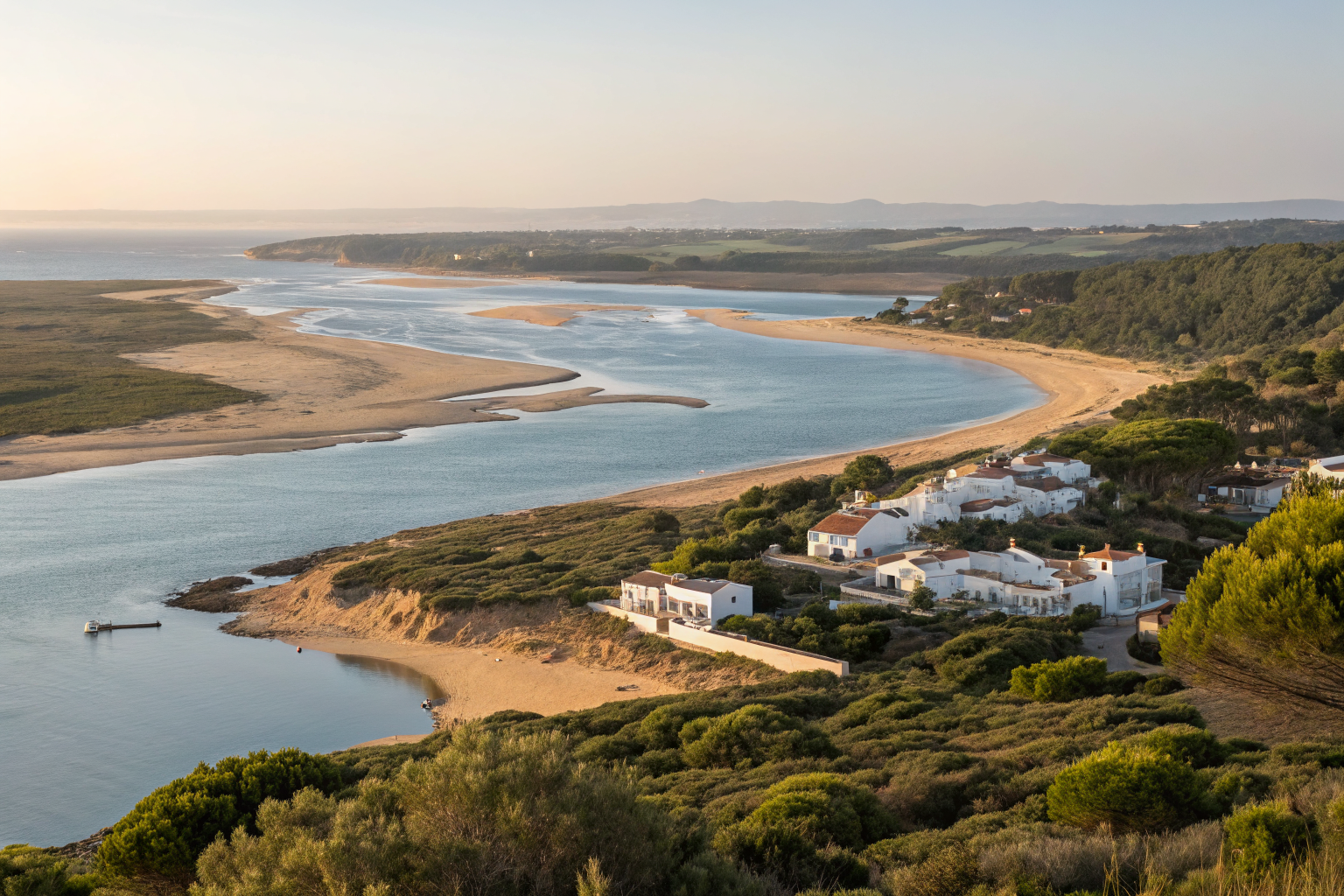
The east algarve is the region of southern Portugal stretching from Faro to the Spanish border town of Vila Real de Santo António. Known as the Sotavento or “leeward” side, this area is defined by its calmer, warmer waters, unspoiled barrier islands, and traditional fishing towns. It offers a more authentic and tranquil experience compared to the bustling central Algarve, appealing to travelers looking to escape the crowds and discover a more traditional side of Portugal.
Key Benefits at a Glance
- Benefit 1: Experience genuine Portuguese culture in historic towns like Tavira and Olhão, avoiding the mass-market tourism found elsewhere.
- Benefit 2: Enjoy superior value with more affordable prices for accommodation, fresh seafood dinners, and local activities.
- Benefit 3: Discover the clean, expansive sands of the Ria Formosa Natural Park’s barrier islands, offering a peaceful beach day away from crowds.
- Benefit 4: The calm, warm waters and relaxed atmosphere make it an exceptionally safe and enjoyable destination for families with children.
- Benefit 5: Use the region as a convenient base to easily explore charming local villages or even pop over the border for a day trip into Spain.
Purpose of this guide
This guide helps travelers decide if the quieter, more traditional part of the Algarve is right for them. It is for anyone planning a trip—from families seeking safe beaches to couples wanting an authentic cultural escape—and solves the challenge of choosing where to stay. You will learn what makes the eastern Algarve distinct, including its key towns like Tavira and Monte Gordo, the unique Ria Formosa lagoon system, and how to access its famous island beaches. This information helps you avoid mismatched expectations and plan a truly relaxing and memorable holiday.
What Defines the Eastern Algarve: Location and Character

When I first crossed the invisible line that separates the Central from the Eastern Algarve near Faro, I immediately sensed a shift in atmosphere. Gone were the towering resort complexes and bustling tourist crowds that define places like Albufeira and Lagos. Instead, I found myself in a region where authentic Portuguese culture still thrives, where fishing boats outnumber tour buses, and where the stunning Ria Formosa lagoon system creates some of Europe's most unique coastal landscapes.
The Eastern Algarve stretches from Olhão eastward to the Spanish border, encompassing a collection of historic towns, pristine barrier islands, and traditional fishing communities that have retained their character despite Portugal's tourism boom. This region represents what much of the Algarve looked like decades ago – before mass tourism transformed the western coastline into an international resort destination.
“One of the greatest treasures of the East Algarve is Ria Formosa, a unique natural park stretching around 60 km along the coast.”
— Celebra a Vida, Unknown 2024
Source link
What makes the Eastern Algarve truly special is its proximity to the Spanish border, which adds an international dimension to any visit. You can literally have breakfast in Portugal and lunch in Spain, experiencing two distinct cultures in a single day. The Guadiana River forms this natural boundary, and the ferry crossings between Vila Real de Santo António and Ayamonte have become part of the region's charm.
- Less commercialized than Western Algarve with authentic Portuguese culture
- Stunning Ria Formosa lagoon system creates unique calm-water beaches
- Proximity to Spanish border offers cross-cultural experiences
- Historic towns retain Moorish architectural influences
- Exceptional seafood and traditional markets showcase local life
The Origins of the Name "Algarve"
The name "Algarve" itself tells the story of this region's rich cultural heritage. Derived from the Arabic "al-gharb," meaning "the west," it was the westernmost province of the Islamic territories in Iberia during Moorish rule from the 8th to 13th centuries. For the Moors based in North Africa and the Middle East, this was indeed their western frontier.
This linguistic heritage is particularly evident in the Eastern Algarve, where many town names retain their Arabic origins. Tavira, one of the region's most beautiful towns, derives from "Tabira," while Faro comes from "Faraon." Even smaller villages carry these historical echoes – a living testament to the cultural layers that make Portugal so fascinating.
The Moorish influence extends beyond names into architecture, agricultural techniques, and even culinary traditions. Walking through Tavira's historic center or exploring the traditional houses of Olhão, you'll notice the distinctive cube-shaped buildings, flat roofs, and intricate tilework that reflect centuries of Islamic architectural influence blended with Portuguese Christian traditions.
Distinguishing Features: How East Differs from West Algarve
Having explored both regions extensively, I can confidently say that the Eastern and Western Algarve offer completely different experiences. The contrast becomes apparent the moment you leave Faro Airport – head west toward Lagos or Sagres, and you'll encounter dramatic limestone cliffs, powerful Atlantic swells, and resort developments. Head east toward Tavira or Vila Real de Santo António, and you'll discover a gentler landscape of barrier islands, calm lagoon waters, and traditional fishing communities.
The Ria Formosa Natural Park serves as the Eastern Algarve's defining feature – a 60-kilometer stretch of lagoons, salt marshes, and barrier islands that creates a completely unique coastal environment. Unlike the Western Algarve's exposed Atlantic beaches, the eastern shores are protected by these islands, resulting in calm, warm waters that feel more like a Mediterranean lake than the open ocean.
| Feature | Eastern Algarve | Western Algarve |
|---|---|---|
| Beaches | Calm lagoon waters, barrier islands | Dramatic cliffs, Atlantic swells |
| Tourism Level | Authentic, less crowded | Highly developed, busy |
| Price Point | More affordable | Premium pricing |
| Architecture | Moorish influences, traditional | Modern resorts, international |
| Dining | Local markets, fishing culture | International cuisine, resort dining |
| Activities | Birdwatching, cultural exploration | Golf, nightlife, water sports |
From a practical standpoint, the Eastern Algarve offers significantly better value for money. Accommodation costs run 30-40% lower than comparable properties in the west, restaurant meals cost less, and you'll find genuine local experiences rather than tourist-oriented attractions. The fishing culture remains active and authentic – you can still watch fishermen mending nets in Olhão's harbor or see traditional salt harvesting in the lagoons.
- Eastern Algarve offers 30-40% lower accommodation costs
- Ria Formosa lagoon system is unique to the eastern region
- Traditional fishing culture remains active in eastern towns
- Spanish border proximity adds international dimension
While the eastern Algarve offers calm Ria Formosa lagoons, the western Algarve delivers dramatic Atlantic cliffs and surf culture—understanding both helps travelers choose their ideal coastal experience.
Climate and Weather in the Eastern Algarve
“The Eastern Algarve enjoys Portugal’s most favourable climate, with over 300 sunny days annually.”
— Algarve South Portugal, Unknown 2024
Source link
The Eastern Algarve enjoys one of Europe's most enviable climates, with a Mediterranean pattern that delivers mild, wet winters and hot, dry summers. What sets this region apart from other Mediterranean destinations is its consistency – you can reasonably expect sunshine almost any day of the year, though the intensity and warmth vary significantly by season.
During my visits throughout different seasons, I've experienced everything from perfect 28°C beach days in June to crisp 16°C walks along the Ria Formosa in January. The protected lagoon environment creates slightly warmer conditions than the exposed western coast, and the barrier islands provide natural windbreaks that make even cooler days pleasant for outdoor activities.
| Month | Avg High (°C) | Avg Low (°C) | Rainfall (mm) | Sunshine Hours |
|---|---|---|---|---|
| January | 16 | 8 | 78 | 5 |
| February | 17 | 9 | 72 | 6 |
| March | 19 | 11 | 39 | 7 |
| April | 21 | 13 | 38 | 8 |
| May | 24 | 16 | 21 | 10 |
| June | 28 | 20 | 8 | 11 |
| July | 31 | 22 | 1 | 12 |
| August | 31 | 23 | 4 | 11 |
| September | 28 | 20 | 16 | 9 |
| October | 24 | 16 | 67 | 7 |
| November | 19 | 12 | 86 | 6 |
| December | 16 | 9 | 94 | 5 |
The summer months from June through September offer classic Mediterranean beach weather, with temperatures regularly reaching the low 30s and virtually no rainfall. However, the lagoon environment means you'll find refreshing breezes even on the hottest days. Water temperatures in the protected lagoons can reach 24°C – among the warmest in Portugal.
Winter brings the region's rainy season, but even then, you'll typically see sunny spells between weather systems. I've enjoyed wonderful January walks through Tavira's historic streets and along the Ria Formosa boardwalks, though you'll definitely want layers for evening activities.
Seasonal Highlights
Each season in the Eastern Algarve offers distinct experiences that showcase different aspects of the region's character. Spring, from March through May, brings wildflower displays across the countryside and comfortable temperatures perfect for exploring historic towns and hiking nature trails. This is when the Ria Formosa comes alive with migrating birds, and the almond trees create stunning white and pink blossoms across the landscape.
Summer transforms the region into a beach paradise, with warm lagoon waters and long sunny days ideal for island hopping and water activities. The barrier islands become accessible by regular ferry services, and the traditional festivals season begins – including the famous Medieval Fair in Castro Marim.
Autumn offers perhaps the most comfortable weather for sightseeing, with temperatures settling into the low 20s and the summer crowds departing. This is my favorite time for exploring the salt pans and birdwatching, as migratory species return to the lagoons. The fishing season intensifies, making it an excellent time for seafood experiences.
Winter brings a different kind of beauty – cooler temperatures perfect for walking, fewer tourists, and the authentic rhythm of local life. The Ria Formosa becomes a haven for wintering birds, including flamingos, and the towns take on a peaceful, contemplative atmosphere.
- Spring (Mar-May): Pack layers for wildflower walks and mild beach days
- Summer (Jun-Aug): Bring sun protection, light clothing, and water shoes for islands
- Autumn (Sep-Nov): Include light jacket for evening strolls and birdwatching gear
- Winter (Dec-Feb): Pack warm layers for coastal walks and waterproof jacket for rain
Top Towns and Villages I've Explored
The Eastern Algarve's charm lies not in grand resorts or famous landmarks, but in its collection of authentic Portuguese towns and villages that have maintained their traditional character. Each settlement has its own personality – from Tavira's elegant historic center to Olhão's bustling fish market, from Vila Real de Santo António's geometric elegance to the hidden gems like Castro Marim and Cacela Velha.
During my explorations of the region, I've discovered that these towns work best when visited with an unhurried approach. Unlike the Western Algarve's resort destinations designed for quick consumption, the eastern towns reveal their secrets gradually – through morning market visits, afternoon strolls along riverside promenades, and evening meals at family-run restaurants where locals still gather.
Tavira: The Cultural Heart of East Algarve
Tavira stands as the undisputed cultural capital of the Eastern Algarve, a town where Roman heritage meets Portuguese tradition in the most photogenic setting imaginable. The moment you cross the famous Roman Bridge spanning the Gilão River, you step into a living museum where every narrow street and whitewashed building tells stories of conquests, trade, and cultural fusion spanning two millennia.
The town's crown jewel is undoubtedly the Roman Bridge itself, though historians debate whether its origins are truly Roman or later medieval construction on Roman foundations. Regardless of its precise age, the seven-arch stone bridge creates the perfect frame for Tavira's riverside houses, their distinctive four-pitched roofs and colorful facades reflecting in the calm waters below.
Tavira's church collection rivals that of much larger cities – over 30 churches dot this compact town, each representing different periods of Portuguese religious architecture. The Igreja do Carmo, with its stunning azulejo tile panels, and the Igreja da Misericórdia, featuring intricate Renaissance stonework, showcase the wealth that once flowed through this important port city.
The historic center unfolds like a maze of cobblestone streets, each turn revealing hidden squares, traditional shops, and glimpses of daily Portuguese life that feels authentic rather than staged for tourists. The Camera Obscura, housed in a former water tower, offers a unique 360-degree view of the town and surrounding salt pans – a perspective that helps you understand Tavira's relationship with both river and sea.
- Roman Bridge offers the most iconic photo opportunity
- Igreja do Carmo features stunning azulejo tiles
- Riverside promenade provides perfect evening stroll
- Camera Obscura gives unique 360° town views
- Traditional salt pans showcase historic industry
Olhão: Authentic Fishing Port and Vibrant Markets
Olhão represents the Eastern Algarve at its most authentic – a working fishing port where traditional life continues largely unaffected by tourism trends. The town's distinctive Moorish-influenced architecture, with its flat-roofed, cube-shaped houses, creates an almost North African atmosphere that sets it apart from other Portuguese coastal towns.
The heart of Olhão beats strongest at its famous Municipal Market, housed in two distinctive buildings facing the harbor. The fish market operates from early morning, with vendors displaying the previous night's catch on beds of ice while maintaining a rapid-fire dialogue with local buyers. The adjacent produce market overflows with regional specialties – from fresh almonds and figs to aromatic herbs and traditional preserves.
What makes Olhão special is its role as the gateway to the Ria Formosa islands. Regular ferry services depart from the harbor pier, connecting the town to the barrier islands of Culatra, Armona, and Farol. This practical function keeps Olhão grounded in its fishing traditions while providing visitors with access to some of the Algarve's most pristine beaches.
The waterfront promenade extends along the harbor, lined with seafood restaurants where the day's catch appears on menus that change based on what the boats bring in. The atmosphere reaches its peak during evening hours, when fishing boats return and locals gather for the traditional evening stroll along the water.
- Visit fish market before 10am for best selection and atmosphere
- Learn basic Portuguese fish names: linguado (sole), robalo (sea bass), dourada (sea bream)
- Try caldeirada stew at waterfront restaurants for authentic experience
- Saturday market includes produce alongside seafood
- Ferry to islands departs from pier next to market
Vila Real de Santo António: Border Elegance
Vila Real de Santo António presents a unique case study in 18th-century urban planning, a town that rose from marshland in just five months under the direction of the Marquês de Pombal. This remarkable feat of speed and organization created a perfectly geometric grid system that still defines the town's character today.
The central Marquês de Pombal Square exemplifies Pombaline architecture – a harmonious collection of buildings with uniform height, consistent styling, and mathematical precision that creates an almost theatrical setting. The black and white mosaic pavement patterns extend throughout the historic center, connecting squares, streets, and the impressive riverside promenade.
What sets Vila Real apart is its unique position as Portugal's easternmost town, separated from Spain by only the Guadiana River. The ferry service to Ayamonte operates throughout the day, making cross-border exploration as simple as a 15-minute boat ride. This international dimension adds layers of cultural and culinary possibilities to any visit.
The riverside promenade extends for over a kilometer along the Guadiana, offering views across to Spanish Andalusia and providing a perfect setting for evening strolls. The promenade connects to a series of riverside parks and gardens that showcase the town's commitment to maintaining green spaces within its geometric urban design.
- Start at Marquês de Pombal Square to admire geometric layout
- Walk along Guadiana riverfront promenade
- Visit Centro Cultural António Aleixo for local history
- Take ferry across to Ayamonte, Spain (15 minutes)
- Return via same ferry for sunset views over river
Monte Gordo: Beach Resort Living
Monte Gordo represents the Eastern Algarve's closest approximation to a traditional beach resort, though even here the scale remains human and the atmosphere relaxed compared to the mega-developments of the Western Algarve. The town stretches along one of Portugal's finest beaches – a 10-kilometer expanse of golden sand that extends virtually uninterrupted to the Spanish border.
What makes Monte Gordo special is its combination of resort amenities with authentic Portuguese character. The beachfront promenade lined with hotels and restaurants gives way to traditional neighborhoods where local life continues at its own pace. The town maintains its fishing heritage alongside tourism development, creating a balanced atmosphere that appeals to both beach lovers and cultural explorers.
The beach itself offers exceptional conditions – protected by the barrier island system, the waters here reach some of the warmest temperatures in Portugal, often exceeding 24°C in summer. The extensive sandy shore provides space for every type of beach activity, from family areas with full facilities to quieter stretches perfect for long walks toward the Spanish border.
Monte Gordo's casino and nightlife scene provide evening entertainment options, while the town's position on the main railway line ensures easy connections to other Algarve destinations. This combination of accessibility, amenities, and authentic Portuguese atmosphere makes it an ideal base for exploring the broader Eastern Algarve region.
- Water temperatures reach 24°C in summer, warmest in Algarve
- 10km of uninterrupted sandy beach perfect for long walks
- Full accessibility with boardwalks and beach wheelchair access
- Casino and nightlife for evening entertainment
- Direct train connection to other Algarve destinations
Hidden Gems: Castro Marim, Cacela Velha, and Fuseta
Beyond the main towns, the Eastern Algarve hides several smaller villages that offer intimate glimpses into traditional Portuguese life. These settlements lack the infrastructure and amenities of larger destinations, but they compensate with authentic atmosphere and stunning settings that reward the effort required to reach them.
Castro Marim dominates the landscape from its hilltop position, crowned by an impressive 13th-century fortress that once guarded the Portuguese frontier. The medieval castle offers panoramic views across the salt marshes to Spain, while the village below maintains its traditional character with whitewashed houses and narrow cobblestone streets. The annual Medieval Fair in August transforms the entire village into a living historical recreation.
Cacela Velha perches on clifftops overlooking the Ria Formosa, a tiny village that seems frozen in time with its simple whitewashed church and handful of traditional houses. The viewpoint from the village provides one of the most spectacular panoramas in the Algarve, encompassing the entire lagoon system and barrier islands stretching toward the horizon.
Fuseta operates as a working fishing village where tourism remains secondary to traditional maritime activities. The harbor fills with colorful fishing boats, while local restaurants serve whatever the boats bring in. The village provides access to Ilha da Fuseta, one of the most pristine barrier islands, via small boats that operate on demand rather than fixed schedules.
- Castro Marim: 13th-century fortress with panoramic views, Medieval Fair in August
- Cacela Velha: Clifftop village with whitewashed church and lagoon overlook
- Fuseta: Working fishing village with authentic tavernas and island access
Beaches and Natural Beauty I've Discovered
The Eastern Algarve's coastal landscape differs dramatically from any other European destination I've explored. Instead of the typical Mediterranean pattern of developed coastline meeting open sea, here you'll find a complex system of lagoons, salt marshes, and barrier islands that creates an almost tropical feeling of calm, warm waters and pristine sandy beaches accessible only by boat.
The Ria Formosa Natural Park serves as the region's defining feature – a 60-kilometer stretch of protected wetlands that functions as both an ecological treasure and a natural playground. This lagoon system creates unique beach experiences where you can enjoy Mediterranean warmth and tranquility while knowing you're surrounded by one of Europe's most important bird habitats.
Island Beaches of the Ria Formosa
The barrier islands of the Ria Formosa offer some of Europe's most pristine beach experiences, accessible only by ferry or private boat and largely undeveloped beyond basic facilities. Each island maintains its own character and atmosphere, from the relatively developed Ilha de Tavira to the completely wild Ilha de Cabanas.
Ilha de Tavira, the most accessible and developed island, connects to its namesake town via regular ferry services that operate from spring through autumn. The island features several beach bars and restaurants, making it ideal for full-day visits. The southern shore faces the Atlantic with more dynamic waves, while the northern lagoon side offers calm, shallow waters perfect for families.
Ilha da Culatra maintains an active fishing community alongside its beach attractions. The ferry from Olhão delivers visitors to a working village where traditional life continues alongside tourism. The beaches here feel more authentic and less organized, with local fishermen's boats sharing the shore with sunbathers.
Ilha da Fuseta and Ilha de Cabanas represent the most pristine experiences, with minimal development and facilities. These islands require more planning and preparation, but reward visitors with untouched beaches and complete tranquility. Access depends on small boats operating from Fuseta and Cabanas respectively, often on demand rather than fixed schedules.
| Island | Access Point | Ferry Frequency | Facilities | Character |
|---|---|---|---|---|
| Ilha de Tavira | Tavira | Every 30 mins | Restaurants, bars | Most developed |
| Ilha da Culatra | Olhão | Hourly | Basic café | Fishing community |
| Ilha da Fuseta | Fuseta | Every 45 mins | Minimal | Most pristine |
| Ilha de Cabanas | Cabanas | On demand | None | Completely wild |
- Check ferry schedules at tourist office or online before departure
- Bring water, snacks, and sun protection – limited island facilities
- Pack light beach bag – you’ll be walking on sand paths
- Confirm last ferry return time to avoid being stranded
- Consider staying for sunset if evening ferries operate
Praia do Barril and the Anchor Cemetery
Praia do Barril offers one of the Algarve's most unique beach experiences, combining natural beauty with historical significance and a touch of whimsy through its miniature train access. Located on the southern shore of Ilha de Tavira, this beach gained fame for its "anchor cemetery" – a moving memorial to the region's tuna fishing heritage.
The journey to Praia do Barril begins with a charming ride on a miniature train that carries visitors across the salt marshes and dunes to the beach. This narrow-gauge railway, originally built to transport salt workers, now provides a delightful approach that builds anticipation for the beach experience ahead.
The anchor cemetery consists of dozens of large anchors arranged along the dunes, each one representing a tuna fishing boat from the fleet that once operated from this location. The display creates a powerful visual impact against the backdrop of endless sand and sea, while serving as a reminder of the maritime traditions that shaped this region.
Beyond its historical significance, Praia do Barril offers excellent beach conditions with clean sand, clear water, and sufficient facilities including restaurants and beach services. The combination of easy access via the train, historical interest through the anchor display, and high-quality beach conditions makes it one of the Eastern Algarve's most satisfying destinations.
Accessible Mainland Shores
While the barrier islands capture most attention, the Eastern Algarve's mainland coast offers several excellent beaches that require no ferry rides or special planning. These shores provide immediate access to beach experiences while maintaining the region's characteristic calm waters and authentic Portuguese atmosphere.
Monte Gordo Beach extends for 10 kilometers along the Spanish border, offering the Eastern Algarve's most developed beach infrastructure alongside exceptional natural conditions. The wide sandy shore provides space for every type of beach activity, while the warm, calm waters make it ideal for swimming and water sports. Full accessibility features, including boardwalks and beach wheelchair access, ensure all visitors can enjoy the experience.
Praia da Manta Rota and Praia Verde offer more natural settings with moderate facilities and quieter atmospheres. These beaches appeal to visitors seeking authentic Portuguese beach experiences without the resort development of Monte Gordo or the planning required for island visits. Both maintain Blue Flag status for water quality and environmental management.
- Monte Gordo: Full accessibility, parking, restaurants, lifeguards
- Praia da Manta Rota: Moderate facilities, good parking, family-friendly
- Praia Verde: Basic facilities, natural setting, quieter atmosphere
- All beaches have Blue Flag status for water quality and safety
Praia de Cacela Velha: The Unspoiled Gem
Praia de Cacela Velha represents the Eastern Algarve's most pristine and challenging beach experience – a stretch of completely undeveloped coastline that rewards adventurous visitors with unspoiled natural beauty and complete solitude. Accessing this beach requires commitment and preparation, but the experience offers a glimpse of what the entire Algarve coastline looked like before tourism development.
The journey to the beach begins in the tiny clifftop village of Cacela Velha, where a steep, uneven path descends through dunes and vegetation to reach the shore. The walk takes about 15 minutes each way and requires proper footwear and reasonable fitness, but the effort pays off with access to one of Portugal's most beautiful and isolated beaches.
The beach itself stretches for kilometers without any development, facilities, or services. The isolation creates an almost wilderness experience where the only sounds come from waves and wind, and the only footprints in the sand might be your own. The lagoon waters here remain calm and warm, while the barrier island setting provides protection from Atlantic swells.
This beach demands self-sufficiency – visitors must bring everything they need including water, food, shade, and sun protection. The lack of lifeguards or rescue services means swimming carries additional responsibility. However, for visitors seeking authentic natural experiences away from crowds, Praia de Cacela Velha offers an unmatched opportunity to connect with the Portuguese coastline in its most pristine state.
- No facilities – bring all water, food, and shade equipment
- Steep, uneven path down to beach – wear proper footwear
- No lifeguards or rescue services – swim at your own risk
- Limited parking in village – arrive early or walk from main road
- Check tide times – some areas only accessible at low tide
Natural Wonders of the Eastern Algarve
The Eastern Algarve's natural heritage extends far beyond its famous beaches, encompassing one of Europe's most important wetland ecosystems and a diverse collection of habitats that support an extraordinary variety of plant and animal life. The Ria Formosa Natural Park, designated as one of Portugal's Seven Natural Wonders, serves as the region's ecological crown jewel and a living laboratory for understanding Mediterranean coastal ecosystems.
This protected landscape creates opportunities for wildlife observation and nature photography that rival famous destinations like the Camargue or Doñana. The diversity of habitats – from salt marshes and lagoons to sand dunes and pine forests – supports resident populations alongside seasonal migrants, creating year-round opportunities for natural discoveries.
Wildlife and Birdwatching Paradise
The Ria Formosa system functions as one of Europe's most important bird habitats, supporting over 200 species throughout the year. The combination of shallow lagoons, salt pans, reed beds, and mudflats creates ideal conditions for both resident populations and migratory species following the East Atlantic Flyway between Arctic breeding grounds and African wintering areas.
Greater flamingos provide the most spectacular wildlife viewing opportunity, with flocks of several hundred birds gathering in the salt pans near Vila Real de Santo António from October through March. These elegant birds create unforgettable photographic opportunities, especially during early morning and late afternoon when the light enhances their pink plumage against the white salt and blue water.
The reed beds and shallow waters support a diverse community of water birds throughout the year. Purple gallinules, with their distinctive blue and purple plumage, nest in the dense vegetation, while various heron species hunt in the shallow lagoons. Kentish plovers and other shorebirds nest directly on the beaches, requiring careful observation to avoid disturbing their breeding activities.
Migration periods in spring and autumn bring exceptional diversity as thousands of waders, terns, and other species pass through the region. The mudflats teem with feeding birds during low tide, while high tide concentrates species in smaller areas for easier observation. The salt pans near Castro Marim and the lagoon areas around Tavira provide the best viewing locations.
- Greater flamingos: Best viewed October-March in salt pans near Vila Real
- Purple gallinules: Year-round residents in reed beds near Tavira
- Kentish plovers: Nest on beaches April-August, maintain respectful distance
- Spoonbills and herons: Common in shallow lagoon waters throughout year
- Migratory waders: Peak diversity during spring and autumn passages
Plant Life and Natural Landscapes
The Eastern Algarve's plant communities reflect the Mediterranean climate and diverse habitats, creating landscapes that change dramatically with the seasons and provide the foundation for the region's ecological richness. From the salt-tolerant species of the lagoon margins to the drought-adapted vegetation of inland hills, the flora tells the story of adaptation to coastal conditions and human influence over centuries.
Traditional agricultural landscapes dominate the inland areas, where fig, almond, and olive trees create the characteristic Mediterranean agricultural mosaic. The almond trees provide one of the region's most celebrated natural spectacles, blooming in late winter with white and pink flowers that transform entire hillsides. These traditional orchards support wildlife while maintaining cultural landscapes that connect to centuries of Portuguese rural life.
The coastal dunes and salt marshes support specialized plant communities adapted to salt spray, shifting sands, and periodic flooding. Sea lavender creates purple carpets in the salt marshes during summer, while various succulent species colonize the dunes. These plant communities provide essential habitat for nesting birds and help stabilize the dynamic coastal environment.
Spring wildflower displays across the region create temporary but spectacular natural gardens. Native orchids bloom in undisturbed areas, while colorful annual flowers carpet abandoned fields and roadside verges. The timing and intensity of these displays depend on winter rainfall, creating variation that makes each spring exploration a unique experience.
My Favorite Cuisine and Food Experiences of the Eastern Algarve
The culinary landscape of the Eastern Algarve reflects its authentic Portuguese character and active fishing heritage, offering food experiences that feel genuine rather than designed for tourists. The region's cuisine centers on exceptional seafood, traditional cooking methods, and local ingredients that connect directly to the surrounding landscape and maritime culture.
What sets Eastern Algarve dining apart is its connection to daily fishing activities and traditional markets. Menus change based on the previous night's catch, prices reflect local rather than tourist economics, and dining rooms fill with Portuguese families celebrating special occasions or simply enjoying their weekend meals. This authentic atmosphere creates memorable culinary experiences that extend beyond just the food itself.
Seafood Treasures and Market Experiences
The Eastern Algarve's seafood culture centers on the daily rhythm of fishing boats departing before dawn and returning with fresh catches that appear in markets and restaurants within hours. This direct connection between sea and table creates opportunities to experience seafood at its absolute peak of freshness and quality.
Olhão's Municipal Market represents the region's seafood culture at its most vibrant and authentic. Arriving before 8 AM allows you to witness the auction process as restaurant owners and local buyers examine the night's catch and negotiate prices. The variety of species reflects the diversity of local fishing grounds, from small lagoon fish to large Atlantic species caught offshore.
Santa Luzia, a small fishing village near Tavira, has built its reputation on octopus fishing and preparation. Local restaurants serve octopus prepared in traditional styles that highlight the ingredient's natural flavor and texture. The village's annual octopus festival celebrates this specialty with cooking demonstrations and tastings that reveal the skill involved in proper preparation.
Learning to identify and select fresh seafood becomes part of the cultural experience. Portuguese fish names often differ significantly from their English equivalents, and understanding terms like linguado (sole), robalo (sea bass), and dourada (sea bream) helps navigate menus and market conversations. Vendors appreciate visitors who show genuine interest in learning about their products.
| Portuguese Name | English Name | Best Preparation | Peak Season |
|---|---|---|---|
| Linguado | Sole | Grilled whole | Year-round |
| Robalo | Sea bass | Salt-baked | Spring-Summer |
| Dourada | Sea bream | Charcoal grilled | Year-round |
| Polvo | Octopus | Salad or stew | Summer |
| Sardinhas | Sardines | Grilled | June-October |
| Ameijoas | Clams | Cataplana | Year-round |
Traditional Dishes and Local Specialties
The signature dish of the Eastern Algarve is undoubtedly cataplana – a seafood stew prepared in a distinctive copper pot that gives the dish its name. The cooking vessel, resembling a large clam shell, seals completely to steam the ingredients together, concentrating flavors and creating a communal dining experience as the pot is opened at the table.
Traditional cataplana preparation varies by season and availability, but typically includes a mixture of fish, shellfish, vegetables, and aromatic herbs. The cooking process requires skill to balance timing and seasoning, as the sealed pot prevents adjustments once cooking begins. The best cataplana experiences occur in family-run restaurants where the dish represents generations of culinary tradition rather than tourist adaptation.
Beyond seafood specialties, the Eastern Algarve maintains connections to broader Portuguese culinary traditions. Caldo verde, the national soup of shredded kale and chorizo, appears on most menus alongside regional variations that incorporate local ingredients. Traditional sweets like pastéis de nata and regional almond-based desserts provide perfect endings to seafood meals.
The region's wine culture focuses on Portuguese varieties that complement seafood dishes. Local vinho verde provides crisp, light wines perfect for summer dining, while regional reds from the Alentejo pair well with grilled fish and meat dishes. Many restaurants maintain extensive Portuguese wine lists that offer opportunities to explore varieties rarely exported internationally.
- Cataplana de marisco: Copper pot seafood stew, signature Eastern Algarve dish
- Arroz de lingueirão: Razor clam rice, specialty of coastal restaurants
- Caldeirada: Mixed fish stew, varies by daily catch and chef’s preference
- Bifana: Pork sandwich, perfect quick lunch between sightseeing
- Pastéis de nata: Custard tarts, best enjoyed warm with coffee
Day Trips I Recommend from the Central Algarve
For visitors staying in the more developed Central Algarve region around Faro, Albufeira, or Vilamoura, the Eastern Algarve offers compelling day trip opportunities that provide authentic Portuguese experiences without requiring accommodation changes. The region's compact size and good transportation connections make it possible to experience multiple destinations in single-day excursions.
Planning successful Eastern Algarve day trips requires understanding the rhythm of local life and timing activities appropriately. Markets operate early in the morning, ferry services to islands follow seasonal schedules, and restaurants serve lunch later than in tourist-oriented areas. Building itineraries around these local patterns creates more satisfying experiences than trying to impose tourist expectations on authentic destinations.
For travelers based centrally, Portimão’s historic riverfront makes an excellent day trip destination, combining authentic old town charm with easy access to eastern Algarve beaches.
Tavira Day Trip Itinerary
Tavira makes an ideal day trip destination due to its compact historic center, easy transportation access, and combination of cultural attractions with beach opportunities. The town offers enough variety to satisfy different interests while remaining manageable for visitors with limited time.
A well-planned Tavira day trip begins with an early departure to maximize sightseeing time and avoid crowds at popular attractions. The train from Faro takes approximately 45 minutes, while driving allows more flexibility for exploring surrounding areas. Parking near the Roman Bridge provides convenient access to the historic center.
The morning hours work best for exploring Tavira's cultural attractions when temperatures are comfortable and lighting ideal for photography. The Roman Bridge, historic churches, and Camera Obscura can be experienced in a logical walking route that minimizes backtracking. The riverside promenade provides pleasant connections between attractions.
Lunch timing becomes crucial for maintaining the day's schedule while experiencing authentic local dining. Traditional Portuguese restaurants serve lunch from noon until 3 PM, with the best atmosphere occurring between 1 and 2 PM when locals gather for their main meal. Reservations help ensure seating at popular waterfront establishments.
The afternoon ferry to Ilha de Tavira provides the beach component of the day trip, with regular services operating from spring through autumn. The island offers excellent beaches, basic facilities, and the opportunity to experience the barrier island environment that defines the Eastern Algarve's coastal character.
- 9:00 AM: Arrive in Tavira, park near Roman Bridge
- 9:30 AM: Explore historic center and climb castle ruins
- 11:00 AM: Visit Igreja do Carmo for azulejo tiles
- 12:30 PM: Lunch at riverside restaurant
- 2:00 PM: Take ferry to Ilha de Tavira beach
- 4:30 PM: Return ferry and stroll Gilão riverfront
- 6:00 PM: Coffee and pastéis before departure
Olhão Market and Ria Formosa Day Trip
Combining Olhão's famous markets with a Ria Formosa boat tour creates a day trip that showcases both the cultural and natural highlights of the Eastern Algarve. This itinerary requires early morning departure to coordinate with market timing and boat schedules, but rewards visitors with authentic experiences that capture the region's essential character.
The day begins with the fish market experience, which operates most intensively from 7 to 10 AM when vendors display the previous night's catch and local buyers make their selections. The energy and authenticity of these early morning hours provide insights into Portuguese coastal life that tourist-oriented attractions cannot match.
Olhão's Saturday market expands beyond seafood to include regional produce, crafts, and household goods that attract shoppers from throughout the Eastern Algarve. The expanded market creates additional cultural immersion opportunities while providing chances to purchase local specialties and traditional products.
Boat tour options from Olhão's harbor range from quick overviews to full-day island hopping experiences. Choosing appropriate tours depends on weather conditions, seasonal schedules, and personal interests in wildlife observation versus beach time. The harbor area near the market provides multiple operators offering different experiences.
| Boat Tour | Duration | Islands Visited | Price Range | Best For |
|---|---|---|---|---|
| Ria Formosa Express | 2.5 hours | Culatra, Farol | €15-20 | Quick overview |
| Full Day Island Hopping | 6 hours | Multiple stops | €35-45 | Beach lovers |
| Sunset Cruise | 3 hours | Lagoon tour | €25-30 | Photography |
| Private Charter | Flexible | Custom route | €200+ | Groups/families |
Border Experience: Vila Real de Santo António and Castro Marim
The Spanish border region offers a unique day trip opportunity that combines Portuguese history and architecture with international cultural exchange. This itinerary showcases the Eastern Algarve's distinctive position as a frontier region while providing access to two countries' cultures in a single day.
Vila Real de Santo António's geometric elegance provides the perfect introduction to Pombaline architecture and 18th-century urban planning. The town's compact size allows thorough exploration in a few hours, while its riverside setting creates a pleasant atmosphere for walking and photography.
The ferry crossing to Ayamonte, Spain, takes only 15 minutes but provides a genuine international experience with passport controls, currency exchange opportunities, and immediate cultural contrasts. Spanish Ayamonte offers different architectural styles, culinary traditions, and shopping opportunities that highlight the regional variations within Iberian culture.
Castro Marim's medieval fortress dominates the landscape between the two border towns, providing historical context for the region's strategic importance throughout Portuguese history. The castle offers panoramic views across both countries while housing small museums that explain the area's military and cultural heritage.
Practical Information for Visitors
Successfully experiencing the Eastern Algarve requires understanding its authentic Portuguese character and adjusting expectations accordingly. Unlike the Western Algarve's tourist-oriented infrastructure, the eastern region operates according to local rhythms and traditional schedules that may differ from international resort standards but provide more genuine cultural immersion.
The key to maximizing Eastern Algarve experiences lies in embracing its slower pace and authentic atmosphere rather than trying to replicate the efficiency and convenience of more developed tourist destinations. This approach rewards visitors with memorable encounters and genuine insights into Portuguese coastal life.
Getting Around the Eastern Algarve
Transportation in the Eastern Algarve reflects its authentic character and less developed tourist infrastructure, requiring more planning than in resort-oriented areas but offering opportunities for genuine local experiences. The region's compact size makes various transportation modes viable depending on your priorities for flexibility, cost, and cultural immersion.
Car rental provides maximum flexibility for exploring hidden villages, accessing remote beaches, and following personal schedules without depending on public transportation timing. The Eastern Algarve's road network is excellent, with well-maintained highways connecting major towns and smaller roads providing access to scenic coastal areas. Parking remains manageable even in historic town centers, though early arrival helps secure convenient spots during peak season.
The railway line connecting Faro to Vila Real de Santo António serves all major Eastern Algarve towns with reliable, comfortable service that runs approximately hourly throughout the day. Train travel provides opportunities to observe countryside landscapes while avoiding parking concerns in town centers. The stations typically sit within walking distance of historic centers and main attractions.
Bus services connect smaller villages and provide access to destinations not served by rail, though frequencies may be limited and schedules require advance planning. Local buses operate on Portuguese time schedules that may not align with tourist expectations, but they offer authentic experiences and opportunities to interact with local residents.
Ferry services to the barrier islands operate seasonally with frequencies depending on weather conditions and demand. These boats provide essential access to the region's most pristine beaches while creating part of the adventure of visiting the Eastern Algarve's unique coastal environment.
| Transport | Coverage | Frequency | Cost | Best For |
|---|---|---|---|---|
| Car Rental | Complete freedom | 24/7 | €25-40/day | Flexibility, hidden spots |
| Train | Main towns only | Hourly | €3-8 | Eco-friendly, reliable |
| Bus | Most destinations | 2-4 per day | €2-5 | Budget travel |
| Taxi/Uber | Door-to-door | On demand | €15-30 | Convenience, groups |
| Ferry | Islands only | Seasonal | €2-5 | Beach access |
Frequently Asked Questions
The Eastern Algarve is known for its quieter, more authentic atmosphere compared to the busier, tourist-heavy Western Algarve, with fewer crowds and more traditional Portuguese charm. It features expansive sandy beaches, salt pans, and the protected Ria Formosa lagoon, offering a focus on nature and wildlife rather than nightlife and resorts. This region appeals to those seeking a relaxed pace, cultural immersion, and proximity to Spain.
Key towns in the Eastern Algarve include Tavira, with its Roman bridge and historic churches; Faro, the regional capital boasting a charming old town and bone chapel; and Olhão, famous for its bustling markets and seafood. Vila Real de Santo António offers a riverside location near the Spanish border, while Castro Marim features medieval castles and salt marshes. These towns provide a blend of history, culture, and local life for visitors.
Popular beaches include Praia do Barril, known for its anchor cemetery and scenic train ride; Ilha de Tavira, a long sandy island accessible by ferry; and Praia de Cacela Velha, offering stunning views and calm waters. Manta Rota provides family-friendly facilities and dunes, while Praia Verde is surrounded by pine forests for a more secluded feel. These spots highlight the region’s natural beauty and tranquility.
The Ria Formosa Natural Park is a protected coastal lagoon system stretching over 60 km along the Eastern Algarve, recognized as one of Portugal’s seven natural wonders. It encompasses barrier islands, marshes, and dunes, serving as a vital habitat for migratory birds, flamingos, and marine life. Visitors can explore via boat tours, walking trails, or kayaking, enjoying its biodiversity and ecological importance.
The Eastern Algarve enjoys a Mediterranean climate with hot, dry summers averaging 25-30°C (77-86°F) and mild winters around 15-18°C (59-64°F), making it pleasant year-round. Rainfall is minimal, mostly occurring in autumn and winter, while spring and fall offer comfortable temperatures for outdoor activities. This consistent sunshine contributes to over 300 sunny days annually, ideal for beachgoers and nature enthusiasts.
Local cuisine emphasizes fresh seafood, including cataplana (a shellfish stew), grilled sardines, and arroz de marisco (seafood rice), often sourced from the nearby Atlantic and Ria Formosa. Influences from Moorish heritage appear in dishes with almonds, figs, and spices, paired with regional wines like those from the Algarve. Markets in Olhão offer fresh produce, and traditional sweets like dom rodrigos highlight the area’s sweet tooth.
The Eastern Algarve borders Spain along the Guadiana River, with Vila Real de Santo António just a short ferry or bridge crossing from Ayamonte in Spain. This proximity allows easy day trips, with the border only about 1-2 hours’ drive from Faro. The shared Iberian culture and convenient access make it simple to combine visits to both countries.
