
Day trips from Lisbon to ten top destinations

Day trips from Lisbon to ten top destinations

Day trips from Lisbon are short excursions to nearby towns, palaces, and beaches that allow you to explore Portugal’s diverse culture without changing your accommodation. Many popular destinations like Sintra, Cascais, and Óbidos are easily accessible via public transport in under two hours. This allows travelers to maximize their vacation time and see more of the country, though planning ahead is key to avoiding crowds and managing train or bus schedules effectively.

Key Benefits at a Glance

  • Save Money: Avoid the cost and hassle of booking new hotels by using Lisbon as your convenient and affordable home base for exploration.
  • Maximize Your Time: Discover stunning new locations like Sintra’s palaces or Cascais’s beaches, with most popular destinations less than a 90-minute journey away.
  • Travel with Ease: Utilize Portugal’s efficient and well-connected public train and bus networks, eliminating the need to rent a car for most popular trips.
  • Experience More of Portugal: See a wider range of Portuguese culture, from the medieval walled town of Óbidos to the historic university city of Coimbra.
  • Simplify Your Itinerary: Enjoy spontaneous adventures or pre-planned excursions without the logistical challenge of packing and moving your luggage every day.

Purpose of this guide

This guide is for travelers based in Lisbon who want to explore the surrounding region without the complexity of a multi-city tour. It solves the problem of deciding where to go and how to get there by highlighting the most rewarding destinations, from historic castles to beautiful coastlines. You will learn practical tips for using public transport, step-by-step itinerary ideas for top locations like Sintra and Cascais, and common mistakes to avoid, ensuring you have a smooth, memorable, and cost-effective adventure.

Why Take Day Trips from Lisbon

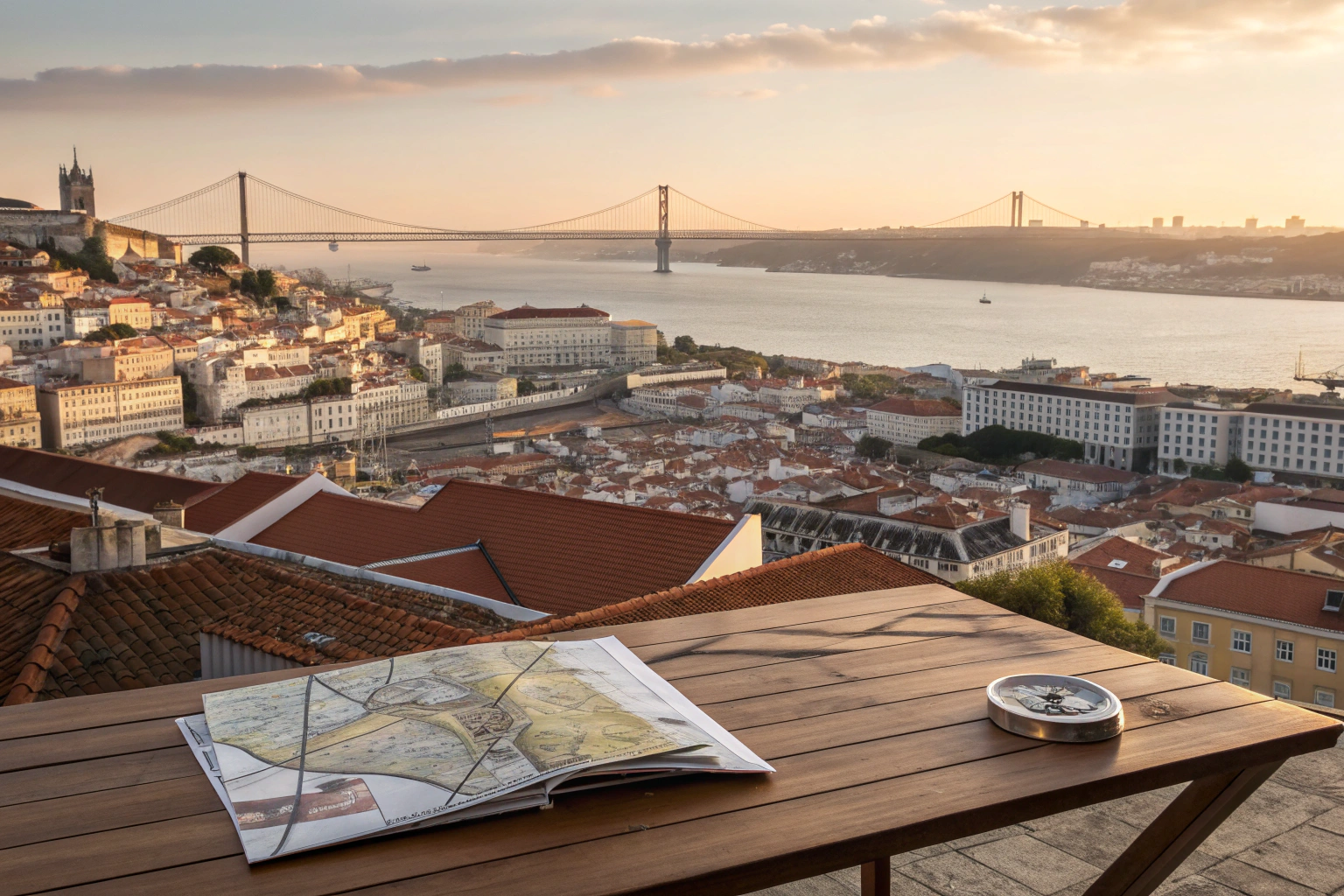
Standing on one of Lisbon's seven hills, gazing across the Tagus River toward distant horizons, I'm constantly reminded why this Portuguese capital serves as the perfect launching pad for exploration. Lisbon's strategic location offers unparalleled access to diverse experiences within a two-hour radius — from fairytale palaces nestled in mystical mountains to dramatic Atlantic coastlines where Europe meets the sea.

Using Lisbon as your base opens the door to Portugal’s diverse landscapes—from fairy-tale Sintra to surfing villages like Ericeira—and even lets you bridge into a larger Portugal and Spain itinerary that stretches across the Iberian Peninsula.

The beauty of using Lisbon as your base lies in the remarkable variety Portugal packs into such a compact area. Within 90 minutes, you can transition from the capital's urban energy to medieval walled towns, UNESCO World Heritage sites, pristine beaches, or spiritual pilgrimage destinations. This geographical gift means you can wake up in a cosmopolitan city and end your day watching sunset from Europe's westernmost point, having experienced centuries of Portuguese history along the way.

Portugal's excellent transportation infrastructure, particularly the reliable train network connecting major destinations, makes day trip planning straightforward even for first-time visitors. The compact distances mean you're never rushing — there's time to savor local specialties, explore hidden corners, and truly absorb each destination's unique character rather than simply checking boxes on a tourist itinerary.

Best Day Trip Destinations from Lisbon

When selecting the perfect day trip from Lisbon, I consider three essential criteria: accessibility, uniqueness, and value. The destinations that consistently deliver exceptional experiences combine easy transportation links with distinctive attractions you simply cannot find elsewhere in Europe. Whether you're drawn to architectural marvels, natural beauty, or cultural immersion, the region surrounding Lisbon offers options to match every travel style and interest level.

The most rewarding destinations fall into distinct categories that help narrow your choices. Historical enthusiasts gravitate toward UNESCO sites like Sintra's romantic palaces or Évora's Roman ruins. Beach lovers find their paradise along the Portuguese Riviera, while adventure seekers discover dramatic coastlines and hidden surf spots. Cultural explorers lose themselves in medieval streets where traditional crafts and local flavors remain unchanged for generations.

DestinationTravel TimeTransportBest ForCost Level
Sintra40 minTrainPalaces & History€€
Cascais40 minTrainBeaches & Relaxation€€€
Óbidos1 hourCar/BusMedieval Towns
Évora1.5 hoursTrain/CarRoman History€€
Cabo da Roca1 hourCar/TourScenic Views

Sintra: A Fairytale Escape

Sintra represents the crown jewel of Lisbon day trips, where 19th-century Portuguese royalty created their mountain retreat among mystical forests and granite peaks. This UNESCO World Heritage landscape combines romantic architecture with natural beauty in ways that seem almost impossibly perfect — colorful palace towers emerging from misty woods, elaborate gardens hiding secret grottos, and castle ruins commanding panoramic views across the Atlantic.

After exploring Sintra’s palaces, consider heading west to the Atlantic coast—just a short drive away lies Ericeira, Europe’s only World Surfing Reserve, where whitewashed streets meet world-class waves for a perfect contrast to Sintra’s hilltop romance.

The town's magnetic pull centers on its extraordinary palace collection, each representing different periods and architectural styles. Pena Palace, with its vibrant reds and yellows, epitomizes Portuguese Romanticism, while Quinta da Regaleira weaves mystery through underground tunnels and symbolic gardens. The Castle of the Moors offers a more austere but equally compelling experience, where medieval stones frame sweeping coastal vistas.

«Sintra is a fairytale-like town, that’s home to medieval castles, royal palaces, historic estates, gardens, and more.»
Layla’s Lens, 2025
Source link

Timing becomes crucial for maximizing your Sintra experience without battling overwhelming crowds. The narrow mountain roads and limited parking create bottlenecks that can transform magical moments into frustrating waits. Smart visitors arrive early and plan strategically, understanding that this popular destination rewards those who think beyond the obvious tourist path.

  1. Take early train from Rossio Station (8:30 AM departure recommended)
  2. Start with Pena Palace to avoid afternoon crowds
  3. Walk through Pena Park gardens for hidden viewpoints
  4. Visit Quinta da Regaleira for mystical wells and tunnels
  5. End at Castle of the Moors for panoramic sunset views

Beyond the major palaces, Sintra's town center rewards exploration with traditional pastry shops, antique stores, and quiet squares where locals gather for afternoon coffee. The National Palace of Sintra and Monserrate Palace offer additional options for visitors with extra time, though the core experience focuses on the trinity of Pena Palace, Quinta da Regaleira, and the Castle of the Moors.

  • Buy palace tickets online to skip entrance queues
  • Wear comfortable walking shoes for steep palace grounds
  • Pack water and snacks — palace cafes are expensive
  • Allow 2-3 hours per major palace for thorough exploration

Coastal Treasures: Cascais and the Scenic Coastline

The Portuguese Riviera stretches along Lisbon's western coastline, where elegant resort towns blend royal heritage with contemporary beach culture. This sophisticated stretch of Atlantic shoreline has attracted Portuguese nobility and international visitors for over a century, creating destinations that balance historical significance with modern resort amenities.

«Cascais is the perfect escape from Lisbon on a steamy summer day!»
Maps & Merlot, 2025
Source link

Cascais embodies refined coastal living with its palm-lined promenades, designer boutiques, and pristine beaches protected by natural rock formations. The Santa Marta Lighthouse and Museu Condes de Castro Guimarães provide cultural anchors, while Praia da Rainha offers intimate swimming in crystal-clear waters. The town's sophisticated restaurant scene specializes in fresh seafood, from casual beachfront grills to Michelin-recommended establishments.

  • Cascais offers elegant beaches perfect for swimming and sunbathing
  • Estoril features the famous casino and grand hotels
  • Fresh seafood restaurants line the waterfront promenades
  • Ericeira provides authentic surfing culture and whitewashed charm
  • Coastal train journey offers scenic Atlantic views

Estoril continues the luxury theme with its legendary casino, grand hotels, and manicured gardens that once hosted European royalty during World War II. The resort town maintains an air of old-world glamour while offering modern amenities and excellent beach access.

Further north, Ericeira presents a more authentic Portuguese coastal experience. This World Surfing Reserve combines championship surf breaks with traditional fishing village charm. Whitewashed houses with cobalt blue trim line narrow streets leading to clifftop viewpoints, while local restaurants serve grilled sardines and regional wines in settings unchanged for generations.

The Boca do Inferno geological formation near Cascais demonstrates the Atlantic's raw power, where waves crash through natural arches carved into dramatic cliffsides. This natural wonder provides excellent photography opportunities and serves as a reminder of the forces that shaped this remarkable coastline.

Cabo da Roca & Nearby Beaches

Standing at Cabo da Roca creates an almost mystical experience — you're literally at the edge of continental Europe, where centuries of explorers began their journeys into the unknown Atlantic. The dramatic lighthouse perched on 140-meter cliffs commands views that stretch to infinity, making this one of Portugal's most photographed locations.

The cape's significance extends beyond geographical superlatives. This windswept promontory represents the spirit of Portuguese exploration, where the age of discovery began and brave navigators set sail for uncharted territories. The monument here bears Luís de Camões' famous words celebrating this "land's end, sea's beginning."

Hidden beaches near Cabo da Roca reward adventurous visitors willing to hike down steep coastal paths. Praia da Ursa requires a challenging 20-minute descent but delivers pristine sands framed by towering rock formations. Praia das Maçãs offers easier access with excellent seafood restaurants and traditional beach culture, while Praia das Azenhas do Mar provides one of Portugal's most Instagram-worthy settings with whitewashed houses cascading down cliffsides to meet the ocean.

The coastal drive connecting these destinations ranks among Europe's most scenic routes, with viewpoints appearing around every curve. Photography enthusiasts find endless opportunities, from golden hour lighthouse shots to dramatic wave action against ancient cliffs.

Medieval Charm: Óbidos and Évora

Portugal's medieval heritage comes alive in perfectly preserved towns where cobblestone streets, ancient walls, and centuries-old traditions create immersive historical experiences. These destinations offer authentic glimpses into Portuguese life before the age of exploration, when local communities thrived within protective walls and regional cultures developed distinct identities.

FeatureÓbidosÉvora
Distance from Lisbon1 hour1.5 hours
Main AttractionMedieval wallsRoman Temple
UNESCO StatusNoYes
Signature ExperienceGinjinha tastingChapel of Bones
Best forQuick medieval fixFull historical immersion
Crowd LevelHigh in summerModerate year-round

Óbidos enchants visitors with its complete medieval walls that can be walked in their entirety, offering unique perspectives over red-tiled roofs and surrounding countryside. The town's UNESCO City of Literature designation reflects its commitment to books and learning, evidenced by unique bookstores like the one housed in a former church. The signature Ginjinha liqueur, served in edible chocolate cups, provides a sweet introduction to local traditions.

Évora presents a more complex historical layering, where Roman ruins coexist with medieval architecture and Renaissance additions. The Roman Temple, one of Portugal's best-preserved ancient structures, dominates the main square alongside the imposing cathedral. The haunting Chapel of Bones, decorated with human skulls and bones, creates an unforgettable meditation on mortality that has fascinated visitors for centuries.

The Giraldo Square serves as Évora's heart, where locals gather for coffee and conversation beneath ancient arches. This UNESCO World Heritage city rewards extended exploration, with hidden courtyards, traditional craft workshops, and restaurants serving authentic Alentejo cuisine in settings that transport diners back through the centuries.

Planning Your Day Trip: Transportation Options

Successfully executing day trips from Lisbon requires understanding your transportation options and their implications for different destinations and travel styles. Each method offers distinct advantages and limitations that can significantly impact your experience, from the destinations you can reach to the flexibility you'll have once you arrive.

Portugal's transportation infrastructure generally favors certain destinations over others, making some trips seamless while others require more planning and patience. Understanding these patterns helps you match transportation methods to your specific interests and comfort level, ensuring smooth journeys that maximize your time at each destination rather than in transit.

MethodProsConsBest For
TrainReliable, scenic, no parking stressLimited destinations, fixed schedulesSintra, Cascais, Évora
Car RentalComplete freedom, multiple stopsZER zones, parking challengesÓbidos, Cabo da Roca, combined trips
Organized ToursNo planning needed, local guidesLess flexibility, group paceFirst-time visitors, complex routes
BusBudget-friendly, direct routesLess comfortable, longer journeyBudget travelers, specific destinations

Cost considerations vary significantly between transportation methods, with trains offering the best value for popular destinations while car rental becomes economical for groups or multi-stop itineraries. Organized tours command premium prices but eliminate planning stress and provide local insights that independent travelers might miss.

By Train: The Scenic and Efficient Choice

Comboios de Portugal operates an extensive network connecting Lisbon to major day trip destinations with remarkable punctuality and comfort. The train experience itself becomes part of the journey, with scenic routes revealing Portuguese countryside, coastal vistas, and charming suburban communities that highway travel bypasses entirely.

Sintra and Cascais represent the system's crown jewels, with dedicated lines offering frequent departures and journey times under 45 minutes. The Sintra line from Rossio Station threads through Lisbon's historic neighborhoods before climbing into forested hills, while the Cascais line from Cais do Sodré follows the Tagus River and Atlantic coastline with stunning water views throughout the journey.

Évora and Coimbra require the premium Alfa Pendular service, Portugal's high-speed train that covers longer distances in air-conditioned comfort. These services operate less frequently but provide reliable connections to destinations that would otherwise require lengthy bus journeys or car rental.

Ticket purchasing through Comboios de Portugal official channels or third-party platforms like Rail Ninja offers advance booking options that guarantee seating during peak periods. The integrated ticketing system allows seamless connections between different train lines and urban transport within destination cities.

By Car: Freedom to Explore at Your Own Pace

Car rental unlocks Portugal's most spectacular destinations that remain inaccessible by public transport, particularly the dramatic coastal routes and hidden medieval villages that define the authentic Portuguese experience. The freedom to explore at your own pace, make spontaneous stops, and combine multiple destinations in single journeys makes driving attractive for adventurous travelers.

  • Lisbon’s ZER (Emission Reduced Zone) requires special permits for older vehicles
  • Fines for ZER violations can reach €250 — check your rental car’s emission class
  • Parking in historic town centers is extremely limited
  • Narrow medieval streets may not accommodate larger vehicles

Portuguese roads generally maintain excellent condition, with modern highways connecting major destinations and scenic coastal routes offering breathtaking Atlantic views. However, navigation challenges arise in historic town centers where GPS systems struggle with narrow streets and limited parking creates constant stress.

ZER zones in Lisbon represent a critical concern for rental car users, as these emission-controlled areas impose substantial fines on non-compliant vehicles. Most rental companies provide newer, compliant vehicles, but confirming emission standards before departure prevents costly surprises upon return.

  • Download offline maps before departure for rural areas
  • Book rental cars with GPS navigation included
  • Research parking locations in advance for each destination
  • Consider fuel costs — Portugal has higher gas prices than US

Fuel costs and tolls add significant expense to car rental, particularly for longer journeys. Portugal's highway toll system operates electronically, requiring advance planning or rental company arrangements to avoid violations and additional charges.

Crafting the Perfect Day Trip Itinerary

Strategic itinerary planning transforms good day trips into extraordinary experiences by maximizing time at destinations while minimizing travel stress and logistical complications. The key lies in understanding geographical relationships, transportation connections, and timing patterns that allow seamless transitions between complementary attractions.

Geographic clustering represents the fundamental principle of successful multi-destination itineraries. Portugal's compact size makes ambitious combinations possible, but only when destinations align logically along efficient routes. The most rewarding trips follow natural geographical progressions rather than attempting to cover maximum distance or check off disconnected bucket list items.

Realistic timing prevents the rushed tourism that characterizes many day trips, where travelers spend more time in transit than actually experiencing destinations. Allow buffer time for unexpected discoveries, longer-than-anticipated visits, and the simple pleasure of savoring local specialties without constantly checking your watch.

Full-Day Adventures: Combining Destinations

Multi-destination itineraries require careful choreography to succeed, balancing ambitious goals with practical limitations. The most successful combinations follow logical geographical progressions that minimize backtracking while maximizing diverse experiences within realistic timeframes.

  1. Western Route: Start Sintra (9 AM) → Cabo da Roca (1 PM) → Cascais (3 PM) → Return (6 PM)
  2. Central Route: Óbidos (10 AM) → Nazaré lunch (1 PM) → Batalha Monastery (3 PM) → Return (6 PM)
  3. Religious Route: Fátima (10 AM) → Batalha (1 PM) → Alcobaça (3 PM) → Return (6 PM)
  4. Palace Route: Mafra Palace (10 AM) → Ericeira lunch (1 PM) → Coastal drive → Return (5 PM)

The Western Route represents the classic combination, linking Sintra's palaces with Cabo da Roca's dramatic coastline and Cascais' sophisticated beach culture. This itinerary works best by car, allowing flexible timing and the scenic coastal drive that connects all three destinations along Portugal's most beautiful shoreline.

Central Portugal combinations excel for history enthusiasts, where Óbidos pairs naturally with Nazaré's fishing culture and Batalha's Gothic monastery. The Alcobaça addition creates a comprehensive medieval experience showcasing different aspects of Portuguese heritage within a compact geographical area.

Mafra National Palace anchors northern itineraries, combining baroque architecture with coastal destinations like Ericeira. This route offers fewer crowds than Sintra while delivering equally impressive cultural experiences and authentic Portuguese coastal culture.

  • DO: Allow buffer time between destinations for unexpected discoveries
  • DON’T: Attempt more than 3 major stops in one day
  • DO: Check opening hours and book tickets in advance
  • DON’T: Underestimate Portuguese traffic during rush hours
  • DO: Pack snacks and water for long driving days

Pilgrimage routes centered on Fátima appeal to spiritual travelers, combining the major Catholic shrine with supporting historical sites like Batalha and Alcobaça monasteries. These itineraries work well by car or organized tour, as public transportation connections between these destinations remain limited and time-consuming.

Frequently Asked Questions

The most popular day trip from Lisbon is to Sintra, known for its fairy-tale palaces and lush landscapes. Visitors often explore Pena Palace and the historic town center, making it a must-do excursion. This day trip from Lisbon combines history, architecture, and natural beauty in just a short journey.

For day trips from Lisbon, options include trains, buses, and car rentals, with trains being efficient for destinations like Sintra or Cascais. Organized tours and rideshares are also popular for hassle-free travel. Public transportation is affordable and reliable, ensuring easy access to various sites.

To plan the perfect day trip from Lisbon, start by choosing a destination like Sintra or Óbidos and check transportation schedules in advance. Pack essentials like water, comfortable shoes, and consider weather for outdoor activities. Research attractions, book tickets if needed, and aim to leave early to maximize your time.

Day trips from Lisbon accessible by public transportation include Sintra via train, Cascais by coastal rail, and Évora by bus. These options are convenient and budget-friendly, with frequent departures from central stations. Public transport allows you to enjoy scenic routes without the need for a car.

The best beach day trips from Lisbon feature Cascais and Estoril, offering golden sands and vibrant promenades just a short train ride away. Further options include the wild beaches of Costa da Caparica, accessible by bus or ferry. These spots provide relaxation, water sports, and fresh seafood for a perfect coastal escape.


  • The journey begins with a ticket. And it continues with the right route.
    All that remains is to decide what to see. Now comes the most interesting part.