
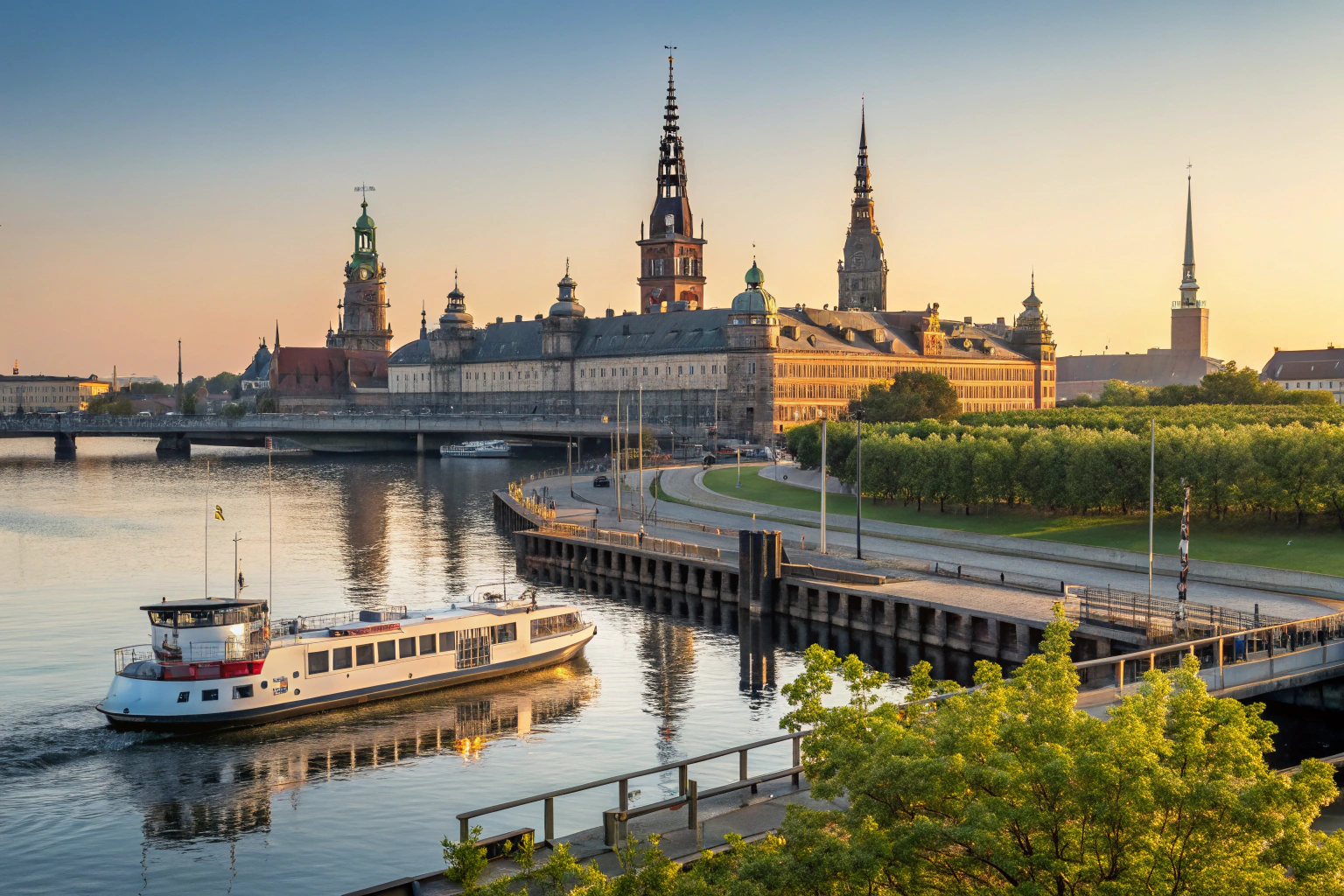
Taking day trips from copenhagen allows you to explore Denmark’s rich history, stunning coastlines, and even visit Malmö, Sweden, in under an hour. These excursions are popular due to the region’s efficient public transport, making it easy to see royal castles, Viking ruins, and modern art museums without a car. Travelers can easily discover a wealth of culture and scenery just a short train ride away from the capital, solving the common concern of how to see more with limited time.
Key Benefits at a Glance
- Effortless Travel: Reach historic cities like Roskilde or Malmö, Sweden, in under 60 minutes via Denmark’s efficient train network.
- Diverse Experiences: Explore everything from royal castles like Kronborg (Hamlet’s Castle) to ancient Viking ship museums and modern art galleries.
- Cost-Effective Exploration: See more of Scandinavia without the expense of booking additional overnight accommodation or renting a vehicle.
- Simple Planning: Most popular destinations are easily accessible with public transport, eliminating the stress of navigating foreign roads.
- Cultural Immersion: Experience local life in charming coastal towns, tranquil forests, and smaller Danish cities beyond the bustling capital.
Purpose of this guide
This guide is for travelers in Copenhagen who want to expand their itinerary and discover more of Denmark and southern Sweden efficiently. It solves the common problem of choosing from many potential destinations by offering clear, practical options that maximize your time. You will learn how to select trips based on your interests—whether history, nature, or art—and gain actionable tips for using public transport, timing your visit to avoid crowds, and making your day trip a seamless and memorable experience.
Having lived in Denmark for over five years, I've discovered that Copenhagen serves as the perfect launching pad for exploring some of Scandinavia's most captivating destinations. While the Danish capital offers world-class attractions like Tivoli Gardens and Nyhavn, the real magic happens when you venture beyond the city limits. Denmark's compact size and exceptional public transportation network make it incredibly easy to experience medieval castles, dramatic natural landscapes, and charming historic towns—all within a few hours of Copenhagen Central Station.
What makes Copenhagen exceptional as a day trip hub is its strategic position and excellent connectivity. The city's central location provides access to Sweden via the iconic Øresund Bridge, UNESCO World Heritage sites, royal palaces, and surprisingly diverse natural environments. After countless weekend adventures and spontaneous train journeys, I've learned that these day trips don't just complement a Copenhagen visit—they reveal the deeper cultural tapestry that makes Denmark so enchanting.
At a glance my top 3 Copenhagen day trips

When time is limited, three destinations stand out as absolutely essential for capturing Denmark's diverse character. Each represents a different facet of Danish culture while remaining easily accessible from Copenhagen's excellent transport network.
- Helsingør: Home to UNESCO World Heritage Kronborg Castle (Hamlet’s Elsinore) — 45 minutes by train
- Malmö, Sweden: International experience via iconic Øresund Bridge — 35 minutes by train
- Roskilde: Viking Ship Museum and UNESCO cathedral — 30 minutes by train
Helsingør offers the perfect blend of literary history and architectural grandeur. Kronborg Castle's imposing presence has inspired visitors for centuries, most famously serving as the setting for Shakespeare's Hamlet. The journey itself provides stunning coastal views, and the town's maritime atmosphere creates an immediate contrast to Copenhagen's urban energy.
Malmö transforms a simple train ride into an international adventure. The Øresund Bridge crossing feels almost surreal as you glide above the water between two countries. Sweden's third-largest city offers a completely different Scandinavian perspective, with its own culinary scene, modern architecture, and relaxed atmosphere that complements Danish experiences.
Roskilde delivers Denmark's most authentic historical experience. The UNESCO-listed cathedral houses the tombs of Danish monarchs spanning nearly a millennium, while the Viking Ship Museum showcases reconstructed vessels that once ruled northern European waters. It's living history that makes Copenhagen's modern royal sites feel like natural extensions of an ancient story.
Historical castles and royal destinations
Denmark's royal heritage extends far beyond Copenhagen's Amalienborg Palace and Rosenborg Castle. The countryside surrounding the capital contains some of Europe's most magnificent royal residences, each telling unique chapters of Danish history. What fascinated me most during my first castle visits was discovering how accessible these grand palaces remain—unlike many European royal sites, several Danish castles maintain their role as active royal residences while welcoming visitors.
| Castle | Distance | Highlights | Best For |
|---|---|---|---|
| Frederiksborg | 45 min | Renaissance architecture, National History Museum | Art & architecture lovers |
| Kronborg | 45 min | UNESCO site, Hamlet connection | Literature & history buffs |
| Fredensborg | 50 min | Active royal residence, Baroque gardens | Royal family enthusiasts |
These three castles represent different eras and purposes in Danish royal history. Frederiksborg showcases Renaissance grandeur and now houses Denmark's national history museum. Kronborg demonstrates military architecture and strategic coastal positioning. Fredensborg continues its original purpose as a royal retreat, offering glimpses into contemporary Danish monarchy alongside historical significance.
The contrast between these destinations and Copenhagen's royal sites is striking. While Amalienborg represents formal court life and Rosenborg displays royal treasures, the countryside castles reveal the broader scope of Danish royal culture—from medieval fortifications to Renaissance artistic patronage to modern royal family life.
Frederiksborg castle Denmark's Versailles
My first glimpse of Frederiksborg Castle reflected perfectly in the lake surrounding Hillerød created an unforgettable impression. This Renaissance masterpiece, often called Denmark's Versailles, houses the Museum of National History and represents the pinnacle of Danish royal architecture. Built by King Christian IV in the early 17th century, the castle showcases the wealth and artistic ambition of Denmark's golden age.
- Great Hall with intricate ceiling paintings and tapestries
- Chapel with original 1610 Compenius organ
- Baroque gardens with geometric patterns and fountains
- Museum’s coronation portraits and royal artifacts
- Lake reflection viewpoint for photography (best morning light)
The museum collection spans 500 years of Danish history through paintings, furniture, and decorative arts. Portrait galleries chronicle Denmark's monarchs and nobility, while period rooms recreate royal living spaces. The chapel, where Danish kings were crowned for nearly 200 years, maintains its original altar and the remarkable Compenius organ, still used for concerts.
Photography enthusiasts should arrive early morning when soft light illuminates the castle's reflection in the surrounding lake. The formal Baroque gardens, reconstructed based on historical plans, provide geometric beauty that changes dramatically with seasons. Spring brings tulip displays, summer showcases the parterre at its peak, and autumn creates stunning foliage contrasts against the red-brick facade.
The train journey from Copenhagen Central Station takes 45 minutes, with Hillerød station just a 15-minute walk from the castle. S-train line A provides frequent service, making spontaneous visits entirely feasible. Allow at least three hours to properly explore both castle interiors and gardens.
Kronborg castle Shakespeare's Hamlet inspiration
Standing on Kronborg Castle's ramparts, watching ships navigate the narrow Øresund strait, makes Shakespeare's choice of setting immediately clear. This UNESCO World Heritage site, immortalized as Elsinore in Hamlet, combines literary fame with genuine historical significance as one of Northern Europe's most important Renaissance castles.
- Summer Shakespeare performances in the castle courtyard
- Underground casemates with Holger the Dane statue
- Maritime Museum in former dry dock nearby
- Best views from the ramparts overlooking Øresund strait
- Combined tickets available with Helsingør attractions
The castle's strategic position controlling the entrance to the Baltic Sea generated enormous wealth through sound dues collected from passing ships. This revenue funded the Renaissance reconstruction that created the fortress visitors see today. Walking through the royal apartments reveals how Danish kings lived while maintaining control over one of Europe's most important waterways.
Underground casemates house the legendary statue of Holger the Dane, Denmark's mythical protector who will awaken if the country faces mortal danger. These tunnels, originally designed for defense, now provide atmospheric spaces that contrast dramatically with the ornate royal chambers above.
Summer brings Shakespeare performances to the castle courtyard, creating magical evenings where Hamlet's soliloquies echo in their inspiration's actual setting. Even without performances, the courtyard's acoustics and atmosphere make it easy to imagine royal ceremonies and dramatic confrontations that shaped Danish history.
The nearby Maritime Museum, built within a former dry dock, complements the castle visit with exhibitions on Denmark's seafaring heritage. Combined tickets offer excellent value for exploring multiple Helsingør attractions. The same train line serving Frederiksborg continues to Helsingør, making castle-hopping entirely possible in a single day.
Fredensborg palace the Danish royal family's country retreat
Unlike museum castles, Fredensborg Palace remains an active royal residence where Denmark's royal family spends spring and autumn months. This accessibility to a working royal palace surprised me during my first visit—few monarchies worldwide allow such close public access to their private retreats.
- Spring: Cherry blossoms and tulip displays (April-May)
- Summer: Full baroque parterre and rose garden peak (June-August)
- Autumn: Changing leaves and harvest decorations (September-October)
- Winter: Formal garden structure and occasional snow scenes (November-March)
The Baroque palace, completed in 1722, serves as the royal family's "Peace Palace"—its name reflecting King Frederik IV's desire for a peaceful retreat. While palace interiors remain private during royal residence periods, the spectacular gardens remain accessible year-round, offering intimate glimpses into royal family life.
The formal gardens showcase classic Baroque design with geometric parterres, tree-lined avenues, and carefully planned sight lines. Over 70 sculptures by Johannes Wiedewelt create outdoor galleries that change character with seasonal light and weather. The rose garden, planted with varieties spanning centuries, provides fragrant displays from June through September.
Timing visits requires checking the royal calendar, as certain areas close during official royal residence periods. However, this adds authenticity to the experience—seeing royal standard flags and occasional glimpses of official activities reminds visitors that this remains a living palace, not a historical monument.
The surrounding town of Fredensborg offers charming cafes and shops, making it an ideal half-day destination that can combine with other North Zealand attractions. Regular train service from Copenhagen takes approximately 50 minutes, with the palace just a pleasant 10-minute walk from the station.
Natural escapes and scenic landscapes
Copenhagen's urban sophistication gives way to surprisingly diverse natural environments within easy reach of the capital. Denmark's reputation for flat farmland makes the dramatic landscapes accessible as day trips all the more remarkable. After years of city living, these natural escapes provide essential contrast and remind me why Denmark's countryside remains so deeply cherished by locals.
| Destination | Type | Distance | Key Features |
|---|---|---|---|
| Møns Klint | Dramatic cliffs | 90 min | 128m white chalk cliffs, fossil hunting, hiking trails |
| Dyrehaven | Deer park | 30 min | 2000 wild deer, ancient oak trees, Bakken amusement park |
Møns Klint represents Denmark's most dramatic natural landmark. These towering white chalk cliffs rise 128 meters above the Baltic Sea, creating landscapes that seem borrowed from England's Dover coast. The contrast with Denmark's typically gentle topography makes the experience feel almost otherworldly. Hiking trails along the cliff tops provide spectacular viewpoints, while the beach below offers fossil hunting opportunities in fallen chalk deposits.
«Møns Klint is immediately distinguishable by its chalky white facade, and the forest at the top makes for a pleasant summer stroll. I preferred viewing the cliffs from up here than down on the pebble beach, but I recommend doing both.»
— Danny Copenhagen Local Guide, 2025
Source link
Dyrehaven offers a completely different natural experience just 30 minutes from Copenhagen. This UNESCO World Heritage deer park contains over 2,000 wild deer roaming freely among ancient oak trees, some over 1,000 years old. The park's proximity to Copenhagen makes it perfect for spontaneous nature escapes, whether for morning runs, family picnics, or simply watching deer graze in dappled sunlight.
«Just 20 minutes by train from bustling central Copenhagen lies UNESCO World Heritage-listed Dyrehaven, a vast nature reserve with a verdant forest, sweeping fields and an extensive network of trails.»
— Lonely Planet, 2025
Source link
Both destinations showcase different aspects of Danish natural heritage. Møns Klint demonstrates geological drama and coastal beauty, while Dyrehaven represents centuries of careful landscape management that balances conservation with public access. The seasonal changes in both locations provide reason for repeated visits—spring wildflowers, summer's full green canopy, autumn colors, and winter's stark beauty each reveal different characters.
For comprehensive travel planning, explore official Copenhagen day trip resources and detailed regional travel guides.
Frequently Asked Questions
One of the best day trips from Copenhagen is to Malmö in Sweden, offering a mix of modern architecture, vibrant culture, and easy access via train across the Øresund Bridge. Other top options include Kronborg Castle in Helsingør or the Viking Ship Museum in Roskilde, both reachable within an hour. Choose based on your interests in history, nature, or urban exploration.
Yes, a day trip from Copenhagen to Sweden is straightforward, with Malmö being the most popular destination just 35 minutes away by train over the Øresund Bridge. You can explore Swedish sights like the Turning Torso skyscraper, parks, and local cafes before returning the same day. Ensure you have valid ID for the border crossing, though checks are minimal for EU citizens.
To reach Møns Klint from Copenhagen, take a train to Vordingborg (about 1.5 hours) and then a bus to the cliffs for stunning chalk formations and hiking trails. For Stevns Klint, catch a train to Køge (45 minutes) followed by a short bus ride to the UNESCO-listed site with fossil-rich cliffs. Both destinations are ideal for nature enthusiasts and can be done as day trips using public transport.
Several day trips from Copenhagen are feasible with public transportation, including Helsingør (45-minute train to Kronborg Castle), Roskilde (30-minute train to the cathedral and Viking museum), and Malmö in Sweden (35-minute train). Other options like Odense (1.5-hour train) or Hillerød (1-hour train to Frederiksborg Castle) are also accessible. Use the Rejseplanen app for seamless planning and tickets.
The best time for day trips from Copenhagen is summer (June to August), when long daylight hours and mild weather enhance outdoor activities and sightseeing. Spring (April to May) and fall (September to October) offer fewer crowds and pleasant temperatures, ideal for scenic spots like cliffs or castles. Winter trips are possible but may be limited by shorter days and colder conditions.
