
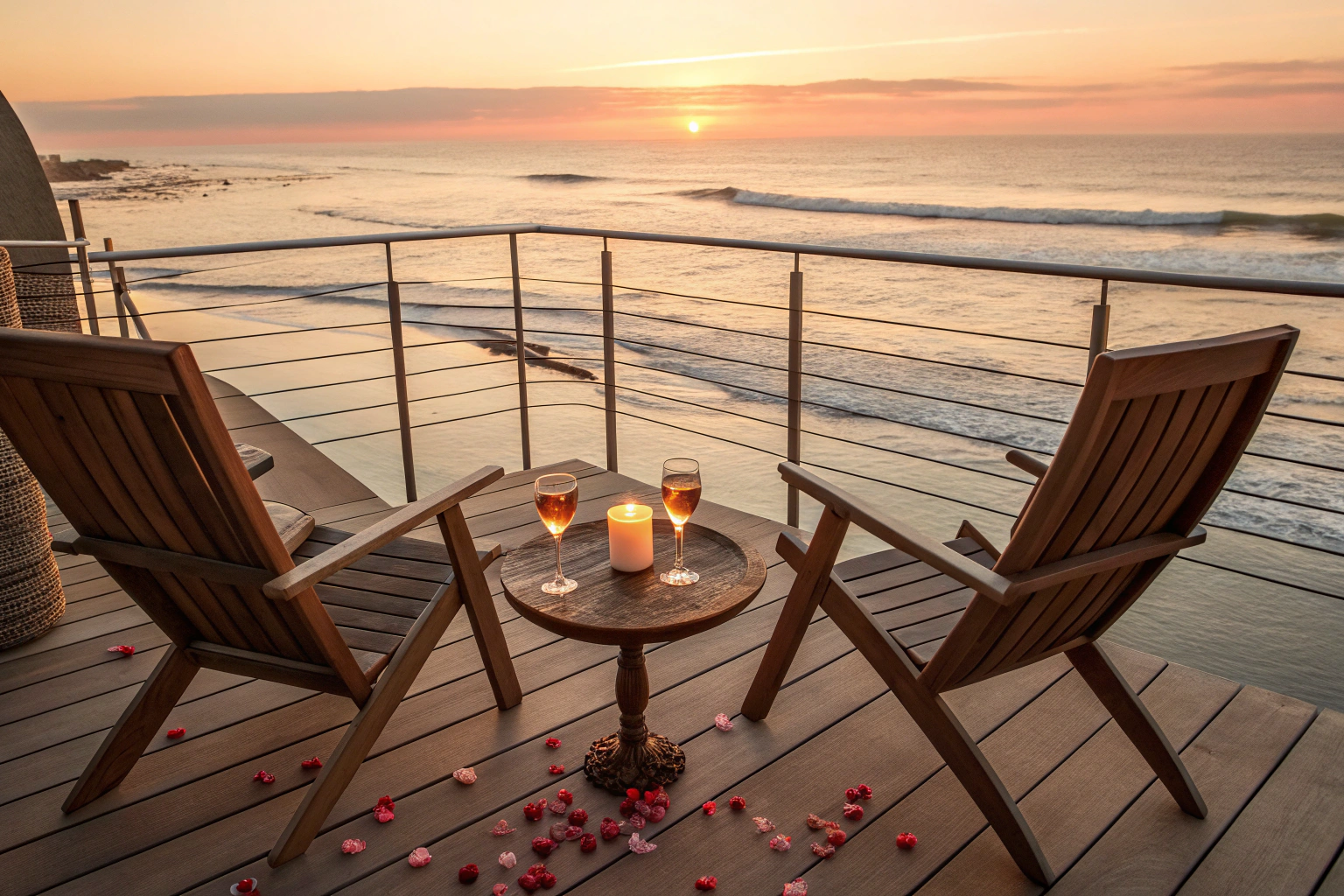
Back when I started this little corner of the internet, I never imagined how much it would grow to reflect the things that truly matter to me: slow moments, real connections, and finding joy in the everyday—whether that’s a quiet winter walk in Montreal, a perfectly tinted lip from Rouje, or a weekend getaway that leaves your heart full. Over the years, I’ve written about everything from local finds to travel memories in the south of France, always with one goal in mind: to celebrate the experiences that make us feel alive.
And lately, I’ve been thinking a lot about how we nurture our most important relationships—not just with ourselves, but with the people we love. Because in a world that never stops rushing, one of the most radical acts of care is choosing to pause… together. That’s where the idea of a “baecation” comes in—not just another trip, but a deliberate escape designed to reconnect, listen, and simply be present with your person.
A baecation is a modern term for a vacation taken with a romantic partner, or «bae.» It describes a trip planned specifically for a couple to escape daily routines, reconnect, and create new memories together. People often plan a baecation to celebrate an anniversary or milestone, or simply to prioritize their relationship away from everyday distractions. It’s dedicated time for intimacy and shared experiences.
Key Benefits at a Glance
- Strengthen Your Bond: Escape distractions and spend quality time together, deepening your emotional and romantic connection.
- Create Lasting Memories: Build a collection of shared experiences and inside jokes that you can look back on for years to come.
- Reduce Mutual Stress: Get away from work, chores, and daily pressures to relax and recharge as a unified couple.
- Improve Communication: A new environment encourages open conversation and helps you learn more about each other’s desires and travel styles.
- Rekindle Romance: Dedicated time away from your normal routine provides the perfect setting to prioritize intimacy and reignite the spark.
Purpose of this guide
This guide is designed for any couple looking to plan a memorable romantic getaway, whether it’s your first trip together or an annual tradition. It solves the common problem of feeling overwhelmed by planning, helping you move from the idea of a vacation to a well-organized reality without stress or disagreements. You will learn step-by-step how to choose a destination that suits both partners, set a realistic budget, and create a balanced itinerary that blends adventure with relaxation. This guide provides practical tips to avoid common travel-planning mistakes and helps ensure your baecation is a successful, connecting experience.
What exactly is a baecation beyond just a trendy term

When I first heard the term «baecation» five years ago while consulting for a boutique travel agency, I’ll admit I rolled my eyes. Another millennial portmanteau designed to make ordinary experiences sound revolutionary? But after witnessing hundreds of couples transform their relationships through intentional romantic getaways, I’ve come to appreciate what this seemingly simple concept represents.
A baecation is fundamentally different from both traditional honeymoons and casual couple’s trips. While honeymoons celebrate a specific milestone and often involve elaborate planning around a single event, baecations are ongoing relationship investments that couples can take at any stage of their partnership. Unlike solo travel, which prioritizes personal growth and independence, baecations deliberately center the couple’s bond and shared experiences.
The distinction matters more than you might think. Romantic getaways have evolved beyond the binary of «single adventure» or «post-wedding celebration.» Modern couples need a framework for nurturing their relationships through travel that doesn’t require a marriage certificate or a life-changing occasion. This is where baecations fill a crucial gap in how we conceptualize couple’s travel.
- Baecations are romantic getaways for established couples, distinct from honeymoons
- They focus on strengthening existing relationships through shared experiences
- Unlike solo travel, baecations prioritize intimacy and connection over independence
- The term combines ‘bae’ (slang for romantic partner) with ‘vacation’
- Baecations can happen at any relationship stage, not just after marriage
The etymology and origin of the term baecation
The linguistic construction of «baecation» follows the classic portmanteau pattern that has given us everything from «brunch» to «glamping.» The term combines «bae»—originally an acronym for «before anyone else» that evolved into general slang for a romantic partner—with «vacation.» This seemingly simple word fusion reflects a broader cultural shift in how younger generations approach romantic terminology.
The etymology reveals something deeper about modern relationship language. «Bae» emerged from African-American Vernacular English (AAVE) in the early 2010s, initially carrying connotations of prioritization and exclusivity. When coupled with «vacation,» it creates a concept that emphasizes the partner as the primary focus of the travel experience, rather than the destination or activities themselves.
What fascinates me about this linguistic evolution is how quickly it moved from niche social media usage to mainstream travel industry adoption. The term’s journey mirrors broader changes in how couples conceptualize their relationships and shared experiences.
| Year | Milestone | Cultural Impact |
|---|---|---|
| 2014 | First social media appearances | Niche usage in AAVE communities |
| 2016 | Travel blog adoption | Entry into mainstream travel vocabulary |
| 2018 | Tourism industry recognition | Official marketing category emergence |
| 2020 | Pandemic travel shift | Increased focus on intimate travel experiences |
| 2023 | Widespread acceptance | Standard term in travel and relationship media |
The evolution of couples travel in modern culture
The transformation of couple’s travel over the past decade reflects broader shifts in relationship expectations and social media influence. Where previous generations might have taken one or two significant trips together before marriage, modern couples view travel as an ongoing relationship practice rather than occasional indulgence.
Instagram has undeniably shaped these expectations, but not always in the superficial ways critics suggest. While the platform certainly promotes aesthetically pleasing travel content, it has also democratized access to destination inspiration and relationship goals. Couples now see diverse examples of romantic travel that extend far beyond traditional honeymoon destinations.
The cultural evolution goes deeper than social media influence. Modern couples face unique pressures—longer work hours, digital connectivity demands, and delayed life milestones—that make intentional relationship time more precious. Baecations respond to these pressures by creating structured opportunities for couples to reconnect away from daily distractions.
«Experts say, if you’ve been dating for a month, have one night away. Two months, two nights away—or a weekend—and by the time you’ve reached the seven-month mark, you should be ready for a week away together. We were never ready and split shortly after that trip.»
— Essence, February 2025
Source link
This evolution has created new expectations around travel frequency, destination diversity, and the role of shared experiences in relationship development. Couples now view regular getaways as relationship maintenance rather than luxury splurges.
«A total of seven couples came together to provide us with the ultimate baecation guide in this two part blog series… Our first trip / baecation together was a year into our courtship.»
— The Black Travel Box, March 2025
Source link
The science backed benefits of traveling with your partner
The psychological research supporting couple’s travel is surprisingly robust. When I first started recommending regular baecations to my clients, I was operating on intuition and observed patterns. Now, substantial research validates what many couples experience intuitively: shared travel creates measurable improvements in relationship satisfaction and longevity.
Neurological studies reveal that novel experiences trigger dopamine release, which enhances romantic feelings and creates stronger emotional bonds between partners. When couples encounter new environments together, their brains literally rewire to associate their partner with positive, exciting experiences. This neuroplasticity effect explains why many couples report feeling «like they’re dating again» during and after successful baecations.
The creation of shared memories serves as relationship insurance. For those interested in the psychological aspects of romantic connections, you can read the definition of romance on Wikipedia. Research from the University of Virginia found that couples who regularly create positive shared memories demonstrate greater resilience during conflict and higher overall relationship satisfaction. Travel memories are particularly powerful because they engage multiple senses and emotions simultaneously.
Intimacy enhancement occurs through both physical and emotional mechanisms during baecations. Reduced stress from daily responsibilities allows couples to be more present with each other. The privacy and novelty of travel environments often reignite physical intimacy, while shared problem-solving and adventure-sharing deepen emotional connections.
- 78% of couples report improved communication after traveling together
- Shared novel experiences increase relationship satisfaction by 45%
- Travel reduces cortisol levels and strengthens emotional bonds
- Couples who travel together have 23% lower divorce rates
- New environments trigger dopamine release, enhancing romantic feelings
How baecations help overcome relationship conflicts
Travel environments create unique opportunities for conflict resolution that simply don’t exist in daily life. When couples remove themselves from familiar settings and routines, they often gain fresh perspectives on persistent issues. The neutral territory of a new destination can facilitate conversations that feel impossible at home.
The key lies in how travel naturally encourages communication patterns that busy couples often abandon. Without the constant interruptions of work calls, household responsibilities, and social obligations, partners can engage in extended, meaningful conversations. Many couples report having their most important relationship discussions during long flights, scenic drives, or quiet evening meals in unfamiliar places.
Conflict resolution during baecations benefits from what psychologists call «environmental reset.» When couples argue in familiar spaces, they unconsciously associate those locations with negative emotions. Travel provides a clean slate where new positive associations can form around difficult topics.
The shared challenge of navigating new environments also creates natural opportunities for teamwork. Whether dealing with language barriers, transportation confusion, or unexpected changes in plans, couples practice collaborative problem-solving skills that transfer back to their daily lives.
- Create phone-free conversation windows during meals and walks
- Practice active listening without the distractions of daily routines
- Use new experiences as conversation starters to explore deeper topics
- Address issues immediately rather than letting them build up during travel
- Establish travel-specific communication agreements before departure
- Schedule dedicated relationship check-ins during longer trips
Relationship security and company benefits
Beyond the emotional and psychological benefits, baecations offer practical advantages that solo travelers often overlook. The security aspect alone makes couple travel appealing for many destinations and activities that might feel risky when traveling alone.
Travel safety improves dramatically with a trusted companion. Having someone to watch belongings, provide emergency assistance, and offer local navigation support creates a safety net that allows for more adventurous experiences. This security enables couples to explore destinations and activities they might avoid as solo travelers.
The companionship benefits extend beyond safety to encompass shared decision-making, cost-splitting, and memory creation. Couples dealing with stress can browse the mental health toolkit from the CDC to explore emotional wellness during travel. When both partners contribute to planning and decision-making, the mental load of travel coordination becomes manageable rather than overwhelming.
Financial advantages make baecations particularly attractive for couples on limited budgets. Shared accommodation costs, transportation expenses, and group activity discounts often make romantic getaways more affordable per person than solo adventures.
| Solo Travel Challenges | Couple Travel Solutions |
|---|---|
| Safety concerns in unfamiliar places | Built-in safety partner and backup support |
| Limited photo opportunities of yourself | Natural photographer for couple memories |
| Higher accommodation costs per person | Shared room and transportation expenses |
| Decision fatigue from constant choices | Collaborative decision-making process |
| Loneliness during meals and activities | Constant companionship and shared experiences |
| Emergency situations handled alone | Immediate support system available |
Selecting your perfect baecation destination
The methodology for choosing baecation destinations differs significantly from solo travel or group trip planning. Success depends on aligning destination characteristics with relationship goals, individual preferences, and practical constraints. After helping dozens of couples navigate this selection process, I’ve developed a systematic approach that minimizes conflict and maximizes satisfaction.
Relationship stage considerations should influence destination complexity and intimacy levels. Newer couples often benefit from destinations with built-in conversation starters and activities—bustling cities, adventure destinations, or culturally rich locations that provide external stimulation. Established couples might prefer more intimate settings that encourage deeper connection—secluded beaches, wine regions, or spa destinations.
Compatibility assessment involves honest evaluation of travel styles, activity preferences, and comfort levels. The most romantic destination in the world won’t create positive memories if one partner feels anxious, bored, or uncomfortable. Smart couples conduct informal compatibility discussions before booking, covering topics like preferred accommodation styles, activity levels, dining preferences, and budget boundaries.
Seasonal and practical factors can make or break a baecation. Consider work schedules, weather patterns, crowd levels, and local events when timing your trip. A perfectly planned romantic getaway can become stressful if it coincides with hurricane season, peak tourist crowds, or major local festivals that inflate prices and reduce availability.
| Destination Type | Best For | Relationship Stage | Key Activities |
|---|---|---|---|
| Beach Resort | Relaxation & Intimacy | All stages | Spa treatments, sunset walks, water sports |
| City Break | Adventure & Culture | Established couples | Museums, dining, nightlife, exploration |
| Mountain Retreat | Bonding & Reflection | Serious relationships | Hiking, cozy evenings, digital detox |
| Wine Country | Romance & Indulgence | Mature relationships | Tastings, fine dining, scenic drives |
| Tropical Island | Escape & Privacy | New or rekindling | Snorkeling, beach time, couples massage |
Underrated baecation spots that deserve your attention
While destinations like Paris, Bali, and Saint Lucia rightfully maintain their romantic reputations, some of the most memorable baecations happen in lesser-known locations that offer unique experiences without overwhelming crowds or inflated prices.
If you’re drawn to Nordic charm and compact old towns, Malmö offers a perfect blend of historic intimacy and modern ease—ideal for couples seeking a low-stress, walkable romantic break.
Hidden gems often provide more authentic cultural experiences and better value for couples willing to venture beyond mainstream tourist circuits. These destinations frequently offer the perfect balance of romance, adventure, and affordability that makes for unforgettable baecations.
For couples craving dramatic coastal romance with cultural depth, Riga delivers an intimate old town, Art Nouveau elegance, and Baltic charm—all without the crowds of more famous European capitals.
The key to selecting underrated destinations lies in identifying places that offer the romance and intimacy couples seek while providing enough activities and cultural richness to sustain interest throughout the trip. These locations often feature stunning natural beauty, emerging culinary scenes, and welcoming local cultures that enhance the overall experience.
Authenticity factors matter significantly in underrated destinations. Couples often report deeper connections to places where they can interact meaningfully with local cultures, participate in traditional activities, and experience destinations as they exist for residents rather than tourists.
And for those dreaming of tropical privacy with spiritual atmosphere, Uluwatu in Bali offers clifftop temples, secluded coves, and sunset Kecak dances—perfect for rekindling romance in an otherworldly setting.
- Azores, Portugal — Volcanic hot springs and dramatic coastlines without European crowds
- Kangaroo Island, Australia — Wildlife encounters and pristine beaches in intimate setting
- Faroe Islands — Nordic romance with grass-roof houses and dramatic fjords
- Cook Islands — Polynesian culture with lagoons more secluded than Tahiti
- Georgian Wine Region — Ancient winemaking traditions in stunning mountain valleys
- Tasmania, Australia — Cool climate wines and world-class art scene
- Madeira, Portugal — Year-round spring weather and levada hiking trails
Frequently Asked Questions
A baecation is a slang term combining «bae» (a term of endearment for a romantic partner) and «vacation,» referring to a romantic getaway taken with your significant other. It’s designed to foster intimacy and create shared memories away from daily routines. This type of trip emphasizes couple-focused activities and relaxation.
A regular vacation can be any leisure trip, whether solo, with family, or friends, focusing on general relaxation or adventure. In contrast, a baecation is specifically a romantic vacation tailored for couples, prioritizing bonding, romance, and shared experiences. The key difference lies in the intent to strengthen the relationship through quality time together.
To plan a perfect baecation, start by discussing preferences with your partner, including destination, budget, and activities that both enjoy. Book accommodations and transportation early, and incorporate romantic elements like candlelit dinners or spa sessions. Ensure flexibility in the itinerary to allow for spontaneous moments that enhance connection.
Popular baecation destinations include romantic spots like Paris for its Eiffel Tower views and cafes, the Maldives for secluded beaches and overwater bungalows, or Santorini with its stunning sunsets and cliffside villas. Consider places like Tuscany for wine tours or Hawaii for adventure and relaxation. Choose based on your shared interests, whether it’s culture, nature, or luxury.
Traveling with your partner builds stronger bonds through shared experiences and new adventures, helping you learn more about each other in different settings. It provides opportunities for uninterrupted quality time, reducing stress and rekindling romance. Additionally, overcoming travel challenges together can improve communication and trust in the relationship.
