
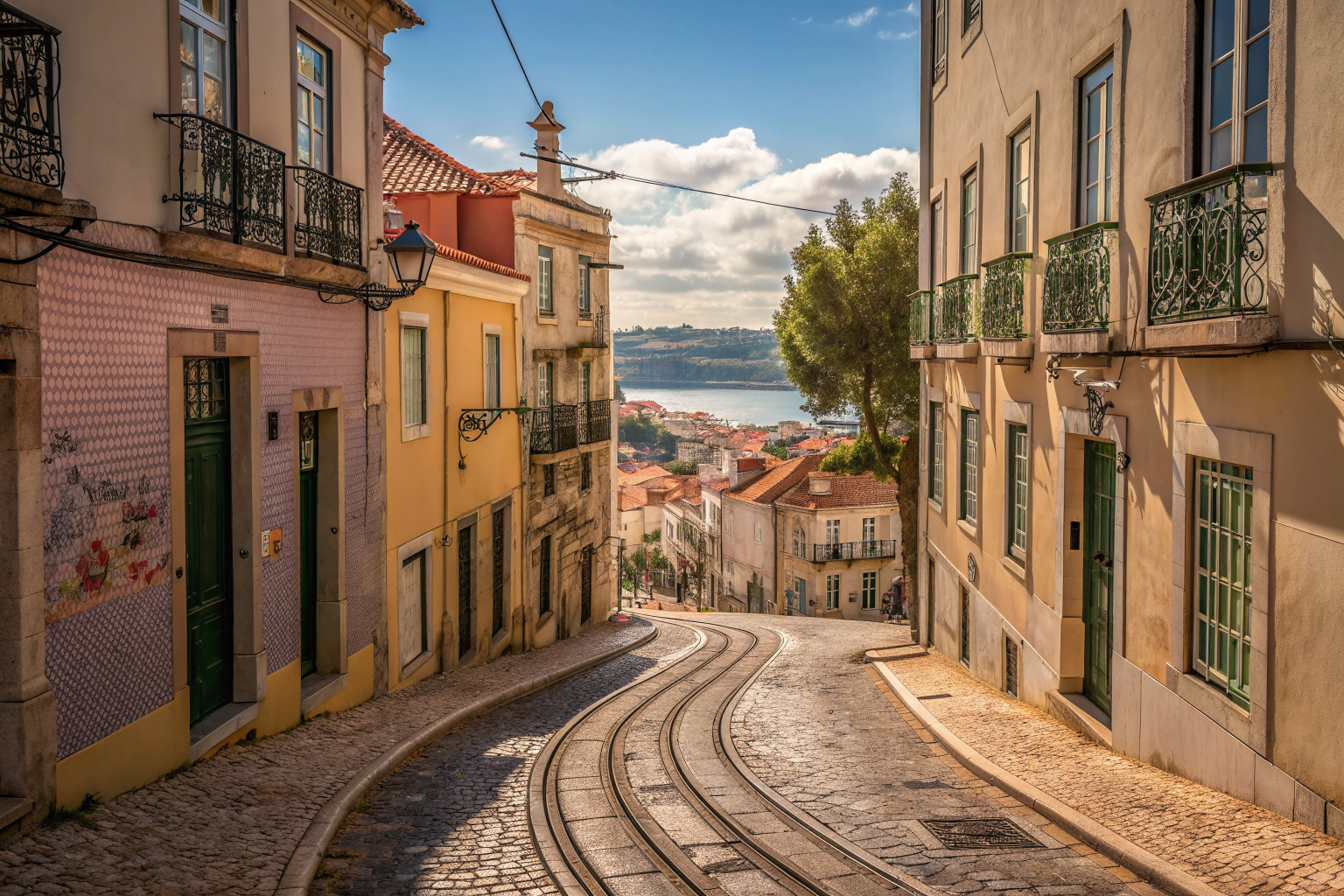
The lisbon old town generally refers to the historic Alfama district, the city’s oldest and most character-filled neighborhood. Known for its maze-like cobblestone streets, ancient houses, and iconic São Jorge Castle, it offers an authentic glimpse into Lisbon’s past. Visitors flock here to experience traditional Fado music and ride the famous Tram 28, but its confusing layout can be a common concern. Understanding this area helps you navigate its unique charm without getting lost.
Key Benefits at a Glance
- Authentic Culture: Experience genuine Lisbon by listening to soulful Fado music in a traditional tavern, sampling local cuisine, and exploring historic architecture.
- Highly Walkable: Save on transport costs as the area is best explored on foot, with major sights like São Jorge Castle and Lisbon Cathedral just a short stroll apart.
- Stunning Views: Capture breathtaking panoramic photos from famous viewpoints (miradouros) like Portas do Sol and Santa Luzia, offering vistas of the city and Tagus River.
- Rich History: Immerse yourself in centuries of history by exploring landmarks that survived the 1755 earthquake, telling the story of Lisbon’s Moorish and medieval past.
- Central Location: Easily access other popular neighborhoods like Baixa and Chiado, making Alfama a convenient and ideal base for exploring the rest of the city.
Purpose of this guide
This guide is for first-time visitors and travelers looking to explore Lisbon’s historic heart. It helps you confidently navigate the charming but often confusing streets of the Alfama district, ensuring you find key attractions while avoiding common pitfalls like overpriced restaurants. You will learn practical tips for getting around on foot, the best spots for authentic cultural experiences, and how to make your visit safe and memorable. The goal is to help you enjoy a stress-free trip to this iconic neighborhood.
Introduction
After wandering through Lisbon's cobblestone streets more times than I can count, I've fallen completely under the spell of this city's historic heart. Each visit to Lisbon Old Town reveals new layers of discovery—from hidden courtyards tucked behind weathered doorways to the haunting melodies of fado drifting from intimate taverns. What started as a weekend getaway has evolved into a deep appreciation for one of Europe's most authentic and captivating historic areas.
Lisbon Old Town isn't just a single neighborhood, but rather a tapestry of distinct quarters, each with its own personality and secrets. From the maze-like alleys of Alfama where laundry flutters like prayer flags, to the elegant squares of Baixa rebuilt after the devastating 1755 earthquake, this area tells the story of a resilient city that has reinvented itself while honoring its past. Through countless early morning walks and late evening explorations, I've gathered insider knowledge that transforms a typical tourist visit into an authentic Portuguese experience.
This comprehensive guide draws from my personal discoveries across multiple seasons and visits, sharing not just the must-see attractions but the subtle details that make Lisbon Old Town extraordinary. You'll learn how to navigate the famous seven hills like a local, where to find the most authentic fado performances, and which miradouros offer the most breathtaking sunset views. Whether you have one day or a full week, I'll help you uncover the magic that makes Lisbon's historic center one of Europe's most rewarding destinations.
Understanding Lisbon's old town what to expect

“The heart of it all is the Old Town, comprised of the delightful neighborhoods of Baixa, Chiado, Bairro Alto, Alfama, and Belém.”
— Tripadvisor, May 2024
Source link
Geography and layout of the historic center
Lisbon Old Town sprawls across the famous seven hills that rise dramatically from the Tagus River, creating a vertical city where neighborhoods stack upon each other like layers of history. Understanding this topography is essential for navigating the area efficiently and appreciating how geography shaped each district's unique character. The Tagus River serves as your constant southern reference point, its shimmering waters visible from countless viewpoints throughout the historic center.
The hills create distinct elevation zones that define the neighborhoods. At river level, you'll find Baixa, the organized downtown district rebuilt on a rational grid after the 1755 earthquake. Climbing eastward, the ancient Alfama district clings to hillsides with narrow, winding streets that follow medieval patterns unchanged for centuries. To the west, Chiado occupies middle elevations with its elegant shopping streets, while Bairro Alto crowns one of the highest points, its geometric layout contrasting sharply with Alfama's organic maze.
Walking these neighborhoods means constantly encountering Portuguese pavement—intricate black and white limestone mosaics that create beautiful patterns underfoot but can be slippery when wet. The cobblestones and steep gradients demand comfortable walking shoes and a strategic approach to daily exploration. I've learned to plan routes that minimize uphill climbing by using the historic funiculars and elevators strategically, allowing gravity to assist rather than fight against me.
The narrow alleys and sudden elevation changes create microclimates within the historic center. Alfama's tight streets can feel cool and shaded even on hot days, while the open squares of Baixa catch every breeze from the river. These geographic nuances affect everything from when to visit certain viewpoints for optimal lighting to which neighborhoods feel most comfortable during different seasons.
- Spring (March-May): Mild weather, fewer crowds, blooming jacaranda trees
- Summer (June-August): Warmest weather, peak crowds, extended daylight hours
- Fall (September-November): Pleasant temperatures, shoulder season pricing, harvest festivals
- Winter (December-February): Cooler weather, minimal crowds, cozy indoor experiences
When to visit Lisbon's historic quarters
Timing your visit to Lisbon Old Town can dramatically impact your experience, and I've discovered that each season offers distinct advantages for different types of travelers. Having explored these neighborhoods across all seasons, I can confidently say that Lisbon rewards visitors year-round, but understanding seasonal nuances helps you align your expectations with reality.
Spring emerges as my favorite season for first-time visitors, typically from March through May. The weather remains pleasantly mild, perfect for the extensive walking that Lisbon Old Town demands. Crowds haven't yet reached summer intensity, allowing for more intimate experiences in popular spots like São Jorge Castle or the famous Tram 28. The city awakens from winter with blooming jacaranda trees painting purple canopies over cobblestone streets, creating magical photo opportunities throughout Alfama and Príncipe Real.
Summer brings the most vibrant atmosphere but requires strategic planning. June through August sees peak tourist activity, meaning longer lines at major attractions and packed miradouros during sunset hours. However, extended daylight hours allow for fuller exploration days, and the numerous outdoor festivals create an infectious energy throughout the historic center. I recommend starting daily explorations very early—around 8 AM—to enjoy popular sites in relative peace before crowds arrive.
The shoulder seasons of fall and early winter offer perhaps the most authentic Lisbon experience. September through November provides ideal weather with fewer tourists, while December through February delivers the most budget-friendly pricing and opportunities to observe how locals actually use these historic spaces. Winter brings occasional rain, but also cozy afternoons in traditional cafés and the chance to experience fado in intimate settings without tourist crowds.
The distinct neighborhoods of Lisbon's old town
For a deeper dive into each area’s character, consult our comprehensive neighborhood guide, which covers accommodation, dining, and local insights beyond the historic core.
Alfama Lisbon's oldest and most charming district
Alfama represents Lisbon in its purest form—a neighborhood that survived the devastating 1755 earthquake and preserves the city's medieval soul within its labyrinthine streets. As the oldest district in Lisbon Old Town, Alfama's Moorish-influenced layout creates an almost mystical atmosphere where getting lost becomes part of the adventure. The neighborhood clings to the hillside below São Jorge Castle, its narrow alleys and steep staircases following ancient pathways that have remained virtually unchanged for centuries.
The district's connection to Fado runs deeper than mere tourist attraction—this is where Portugal's national music was born and continues to thrive in authentic settings. Walking through Alfama in the evening, you'll hear the haunting melodies drifting from small tascas and family-run restaurants where local fadistas perform for neighbors as much as visitors. The music seems to emerge organically from the neighborhood's very stones, creating an emotional soundtrack to exploration.
São Jorge Castle crowns Alfama's highest point, offering not just historical significance but commanding views over the entire Lisbon Old Town and Tagus River. The fortress walls have witnessed over a thousand years of history, from Moorish occupation through Christian reconquest to modern Portuguese identity. I've spent countless hours within these walls, watching the changing light transform the cityscape below and understanding why this location has remained strategically important throughout centuries.
The Lisbon Cathedral anchors Alfama's lower reaches, its Romanesque facade standing as a testament to the neighborhood's religious heritage. This architectural anchor point helps orient visitors within Alfama's confusing street network, serving as a landmark visible from multiple viewpoints throughout the district. The cathedral's austere beauty contrasts beautifully with the colorful laundry and decorative tiles that adorn surrounding residential buildings.
- Largo do Chafariz de Dentro – peaceful square with authentic neighborhood feel
- Rua de São Miguel – narrow street showcasing traditional architecture
- Miradouro de Santa Luzia – intimate viewpoint with azulejo panels
- Beco do Carneiro – hidden alley perfect for photography
- Páteo do Judeu – secluded courtyard away from tourist paths
Baixa the elegant downtown district
Baixa stands as a masterpiece of 18th-century urban planning, its rational grid of streets representing one of Europe's most successful post-disaster reconstructions. Following the catastrophic 1755 earthquake, the Marquis of Pombal redesigned this area with wide boulevards, uniform building heights, and earthquake-resistant construction techniques that were revolutionary for their time. This Pombaline architecture creates a harmonious streetscape that feels both grand and human-scaled.
“In 1755 a strong earthquake of 7.7-7.9 magnitude, struck Lisbon claiming the lives of 30,000 people.”
— YouTube – Here to There and Everywhere, May 2024
Source link
Praça do Comércio serves as Baixa's magnificent waterfront centerpiece, where yellow-painted government buildings frame one of Europe's grandest squares. The triumphal arch connects this riverside plaza to the pedestrian-friendly Rua Augusta, creating a natural flow from the Tagus River into the heart of the commercial district. Standing in this square during different times of day reveals how light transforms the space—morning sun illuminates the eastern arcade, while afternoon light sets the western buildings ablaze.
The district's organized layout makes navigation straightforward, a refreshing contrast to Alfama's medieval confusion. Parallel streets run north-south from the river toward Rossio Square, while perpendicular avenues connect them in a logical grid. This rational organization allowed Baixa to become Lisbon's commercial heart, a role it maintains today with shops, banks, and cafés occupying the ground floors of elegant 18th-century buildings.
Rossio Square marks Baixa's northern boundary, its wave-pattern Portuguese pavement creating optical illusions that seem to undulate beneath your feet. The square pulses with urban energy throughout the day—commuters rushing to catch trains, street performers entertaining crowds, and locals meeting friends at outdoor cafés. This is where Baixa's formal elegance meets the more bohemian energy of adjacent neighborhoods.
- Start at Praça do Comércio and walk through the triumphal arch
- Head north on Rua Augusta pedestrian street
- Stop at Rossio Square to admire the wave-pattern pavement
- Visit Santa Justa Elevator for panoramic views
- End at Praça da Figueira for coffee and people-watching
Chiado the cultural and shopping hub
Chiado occupies a sweet spot in Lisbon Old Town's geography and culture, bridging the commercial energy of Baixa with the bohemian spirit of Bairro Alto. This elegant district has served as the city's intellectual and artistic heart for centuries, its tree-lined streets hosting historic cafés where writers, artists, and philosophers have gathered for generations. The neighborhood maintains this cultural legacy while embracing contemporary shopping and dining that attracts both locals and visitors.
A Brasileira café stands as Chiado's most iconic establishment, its Art Nouveau façade and outdoor statue of poet Fernando Pessoa serving as unofficial symbols of Lisbon's literary heritage. Sitting at one of the small tables outside, watching the constant flow of pedestrians while sipping strong Portuguese coffee, provides insight into the neighborhood's enduring appeal as a meeting place for creative minds. The café's interior preserves early 20th-century elegance with mirrored walls and period fixtures.
The district's shopping culture balances international brands with uniquely Portuguese establishments. Bertrand Bookstore, recognized as the world's oldest operating bookstore, continues serving readers from its historic location while nearby streets feature everything from luxury boutiques to traditional craft shops. This commercial diversity reflects Chiado's ability to evolve while maintaining its essential character.
Cultural venues throughout Chiado provide depth beyond shopping and dining. Historic theaters, art galleries, and small museums create opportunities for deeper engagement with Portuguese culture. The neighborhood's compact size allows easy exploration on foot, with most attractions within a few blocks of each other, making it ideal for combining cultural experiences with leisurely shopping and café visits.
- A Brasileira – historic café with Fernando Pessoa statue
- Teatro Nacional São Carlos – premier opera house
- Bertrand Bookstore – world’s oldest operating bookstore
- Museu do Chiado – contemporary Portuguese art
- Igreja do Carmo – atmospheric ruined church
Bairro Alto Lisbon's vibrant nightlife quarter
Bairro Alto transforms completely between day and night, earning its reputation as Lisbon's premier nightlife destination while maintaining a surprisingly quiet, residential character during daylight hours. This dramatic personality shift makes the neighborhood endlessly fascinating—narrow streets that seem almost sleepy at midday explode with energy after dark as bars, restaurants, and fado houses fill with locals and visitors seeking authentic Portuguese nightlife.
The neighborhood's grid layout, dating from the 16th century, creates an organized framework for what can feel like organized chaos during peak evening hours. Unlike Alfama's medieval maze, Bairro Alto's straight streets and regular intersections make navigation straightforward even when crowded. This accessibility contributed to its development as the city's entertainment district, allowing easy movement between venues throughout the night.
During daytime exploration, Bairro Alto reveals its residential soul through small grocery stores, traditional shops, and quiet squares where locals go about daily routines. The contrast between this peaceful atmosphere and the vibrant nightlife scene provides insight into how Lisbon neighborhoods serve multiple functions for different communities. Many buildings house families on upper floors while ground-level spaces transform into bars and restaurants after sunset.
The neighborhood's connection to nightlife runs deeper than simple bar hopping—this is where contemporary Portuguese culture expresses itself most freely. Local DJs experiment with mixing traditional fado influences into modern electronic music, while craft cocktail bars serve innovative drinks alongside traditional ginjinha. The area attracts young Portuguese professionals alongside international visitors, creating a dynamic social environment that feels authentically local rather than tourist-focused.
- Tasca do Chico – authentic fado and local crowd
- Pavilhão Chinês – eclectic bar with unique décor
- Portas Largas – lively street-side drinking spot
- Clube de Fado – intimate traditional music venue
- Trumps – rooftop terrace with city views
Belém monuments and maritime history
Belém extends Lisbon Old Town westward along the Tagus River, celebrating Portugal's Age of Discoveries through magnificent monuments and museums that commemorate the country's maritime heritage. This district feels different from the dense urban neighborhoods of central Lisbon, with broader avenues, expansive parks, and waterfront promenades that reflect its role as a showcase for Portuguese national identity. The relationship between land and water becomes especially prominent here, with the Tagus River providing both scenic beauty and historical context for understanding Portugal's seafaring past.
The district's monuments cluster within walking distance of each other, creating an efficient cultural circuit that can be covered in a single morning or afternoon. Jerónimos Monastery dominates the landscape with its elaborate Manueline architecture, while the Tower of Belém provides a more intimate but equally impressive example of Portugal's unique architectural style. The Monument to the Discoveries offers a modern interpretation of maritime themes, its stark concrete form contrasting dramatically with the ornate stonework of historic buildings.
Pastéis de Belém, the original creators of pastel de nata, anchors the district's culinary identity with a ritual that has remained unchanged for nearly two centuries. The bakery's blue-tiled interior buzzes with constant activity as bakers produce thousands of custard tarts daily using a secret recipe known only to a handful of people. Eating these warm pastries while still dusted with cinnamon and powdered sugar provides a direct connection to Portuguese culinary tradition.
The waterfront location creates opportunities for pleasant walks along the river, especially during late afternoon when the western sun illuminates both the water and the historic monuments. These riverside paths connect Belém's major attractions while providing perspective on Lisbon's relationship with the Tagus River that shaped its development as a major European port city.
- Start early at Pastéis de Belém for fresh pastries
- Visit Jerónimos Monastery when it opens
- Walk to Monument to the Discoveries
- End at Belém Tower for riverside views
- Return via waterfront promenade
Príncipe Real the trendy upscale district
Príncipe Real represents Lisbon Old Town's most contemporary evolution, transforming from a quiet residential area into the city's trendiest neighborhood while maintaining its leafy, village-like atmosphere. The district centers around its namesake garden, where an enormous umbrella pine provides shade for locals who treat this green space as an outdoor living room. This central gathering point anchors a neighborhood that has become synonymous with design, creativity, and progressive Portuguese culture.
The area's transformation reflects broader changes in Lisbon as young professionals and international residents seek alternatives to the tourist-heavy central neighborhoods. Príncipe Real offers sophisticated urban living with tree-lined streets, renovated 19th-century buildings, and a concentration of independent boutiques, galleries, and restaurants that cater to discerning local tastes rather than tourist expectations.
Shopping in Príncipe Real means discovering Portuguese design talent and international brands carefully curated for style-conscious consumers. Concept stores occupy beautifully restored buildings, their interior design as compelling as the merchandise they showcase. These spaces often combine retail with café culture, creating environments where shopping becomes a social experience rather than mere transaction.
The neighborhood's dining scene emphasizes quality and innovation, with restaurants that reinterpret traditional Portuguese ingredients through contemporary techniques. Many establishments occupy converted residential buildings, their intimate scale fostering the kind of personal service and attention to detail that creates memorable experiences. This focus on quality over quantity extends throughout the district, making it ideal for travelers seeking authentic contemporary Portuguese culture.
- Embaixada – concept store in former embassy
- The Breakfast Club – trendy brunch spot
- Pavilhão Chinês – cocktail bar with curiosities
- Pharmacia – restaurant in former pharmacy
- Jardim do Príncipe Real – central garden with umbrella pine
Must see attractions and hidden gems
Iconic landmarks you shouldn't miss
São Jorge Castle commands Lisbon Old Town from its hilltop perch, offering visitors both historical significance and the most comprehensive panoramic views of the city and Tagus River. This Moorish fortress, later expanded by Portuguese kings, provides tangible connection to over a thousand years of Lisbon's evolution. Walking the ramparts during different times of day reveals how light transforms the cityscape below—morning illuminates the eastern neighborhoods while late afternoon creates dramatic shadows across the terracotta rooftops.
The castle grounds extend beyond the main fortifications to include archaeological sites, gardens, and exhibition spaces that tell the story of Lisbon's development from Roman settlement to modern capital. The camera obscura provides a unique perspective on the contemporary city, projecting live images of street life onto a concave screen that makes you feel like you're floating above the urban landscape. I recommend timing visits for late afternoon when the western sun creates optimal lighting for photography and the crowds begin to thin.
Lisbon Cathedral anchors the historic center with its austere Romanesque facade and rich interior that spans multiple architectural periods. This mother church of Lisbon survived the 1755 earthquake and contains treasures that provide insight into Portuguese religious and artistic heritage. The treasury houses medieval artifacts while the cloisters offer peaceful respite from the busy streets outside. The cathedral's position at the intersection of several neighborhoods makes it an ideal landmark for orientation during exploration.
The Santa Justa Elevator represents 19th-century engineering innovation while providing access to spectacular viewpoints without the exhausting climb typical of Lisbon's hills. This neo-Gothic iron structure, designed by a student of Gustave Eiffel, connects Baixa with Carmo neighborhood while offering 360-degree views from its upper platform. The elevator functions as both practical transportation and tourist attraction, though visiting during off-peak hours provides the most enjoyable experience.
| Viewpoint | Best Time | Crowd Level | Accessibility | Unique Feature |
|---|---|---|---|---|
| Miradouro da Senhora do Monte | Sunset | Low | Moderate walk | Highest viewpoint in city |
| Miradouro das Portas do Sol | Morning | Medium | Easy access | Perfect Alfama overview |
| Santa Justa Elevator | Midday | High | Elevator access | 360-degree city views |
| Miradouro da Graça | Late afternoon | Medium | Moderate walk | Pine trees frame the view |
Off the beaten path treasures
Discovering Lisbon Old Town's hidden treasures requires patience, curiosity, and willingness to venture beyond marked tourist routes. These lesser-known attractions provide authentic experiences that reveal how locals interact with their historic environment and offer perspectives on Portuguese culture that mainstream sightseeing often misses. Many of these places I discovered through conversations with residents or by simply following interesting architectural details down unfamiliar streets.
The Museu do Aljube occupies a former political prison, transforming a dark chapter of Portuguese history into an educational experience about resistance and freedom. This small but powerful museum provides context for understanding modern Portugal's relationship with its authoritarian past while honoring those who fought for democracy. The building itself tells part of the story, with preserved prison cells creating an emotional connection to historical events.
Hidden courtyards and gardens throughout the historic center offer peaceful refuges from busy tourist areas. Palácio Beau Séjour contains a secret garden courtyard accessible through an unmarked doorway, where locals sometimes gather for quiet conversation away from street noise. These spaces remind visitors that people actually live and work within Lisbon Old Town, maintaining communities that extend far beyond the tourist economy.
Small specialty shops preserve traditional crafts and trades that might otherwise disappear under pressure from modern retail. Conserveira de Lisboa continues selling traditional canned fish and preserves from a tiny storefront that looks virtually unchanged from decades past. These establishments offer opportunities to interact with shopkeepers who often speak passable English and enjoy sharing stories about their products and the neighborhood's evolution.
- Museu do Aljube – resistance and freedom museum in former prison
- Palácio Beau Séjour – hidden garden courtyard
- Rua do Século – antique shops and vintage finds
- Miradouro do Recolhimento – secret viewpoint locals use
- Conserveira de Lisboa – traditional canned fish shop
Unique Lisbon experiences
Riding historic trams and funiculars
Lisbon's historic tram system provides more than simple transportation—it offers a mobile perspective on the city's topography and neighborhoods that reveals relationships between different areas of Lisbon Old Town. The famous Tram 28 traces a scenic route through multiple historic districts, climbing hills and navigating narrow streets that seem impossible for a vehicle of its size. The vintage yellow cars, dating from the 1930s, create an authentic connection to Lisbon's mid-20th century character while serving contemporary transportation needs.
The experience of riding these historic vehicles requires patience and strategic timing, as their popularity with tourists can create challenging conditions during peak hours. Early morning rides offer the most comfortable experience with opportunities to interact with local commuters who use the trams for daily transportation rather than sightseeing. The conductors often provide informal commentary about neighborhoods and landmarks, sharing perspectives that official tour guides might miss.
Ascensor da Bica represents the most photogenic of Lisbon's historic funiculars, its bright yellow cars climbing the steep Rua da Bica de Duarte Belo in a scene that has become iconic in tourism photography. These cable-operated vehicles serve practical purposes for residents while providing visitors with efficient access to different elevation levels throughout the city. Understanding how to use funiculars strategically can save significant energy during a day of exploration.
The integration of historic trams and funiculars with modern metro and bus systems creates transportation options that accommodate different needs and budgets. Learning to navigate Portuguese pavement on foot while using mechanical assistance for the steepest climbs allows for comprehensive exploration without exhaustion. The Viva Viagem card provides access to all public transportation modes, making it easy to combine walking with riding as conditions and energy levels dictate.
- Board Tram 28 at Martim Moniz to avoid crowds
- Use funiculars strategically to save energy on hills
- Buy day passes for unlimited tram and funicular rides
- Avoid rush hours (8-9am, 6-7pm) for comfortable travel
- Keep belongings secure on crowded trams
Fado experiencing Portugal's soulful music
Fado represents the emotional heart of Portuguese culture, and experiencing authentic performances in Lisbon Old Town provides profound insight into the national character that extends far beyond mere entertainment. This haunting musical form, recognized by UNESCO as an Intangible Cultural Heritage of Humanity, expresses complex emotions about love, loss, longing, and the Portuguese concept of saudade—a melancholic nostalgia that doesn't translate directly into other languages.
Alfama remains the spiritual home of fado, where the music emerged from the daily experiences of working-class residents in the 19th century. The neighborhood's narrow streets and intimate spaces create perfect acoustics for this deeply personal musical expression, with performances often occurring in small restaurants and bars where the boundary between performer and audience dissolves. These venues typically operate under traditional rules that demand respectful silence during performances, creating an atmosphere of reverence that enhances the emotional impact.
Distinguishing authentic fado experiences from tourist-oriented shows requires understanding the cultural context and recognizing venues that serve local audiences alongside visitors. Traditional fado houses often feature multiple performers throughout an evening, including established artists and emerging talents who may perform without accompaniment except for Portuguese guitar. The most memorable experiences occur when spontaneous performances arise from the interaction between musicians and the emotional energy of the audience.
The relationship between fado and daily life in Lisbon Old Town extends beyond formal performances to include casual moments when residents might sing while hanging laundry or musicians practice in courtyards. These impromptu encounters with the musical tradition provide authentic cultural experiences that illuminate how fado continues to serve as emotional expression for contemporary Portuguese people rather than mere historical artifact.
- DO arrive early for better seating
- DO remain quiet during performances
- DO tip the musicians if you enjoyed the show
- DON’T take photos during performances
- DON’T talk during the music
- DON’T expect English translations of songs
Exploring Lisbon's miradouros viewpoints
Lisbon's miradouros function as outdoor living rooms where locals gather to socialize while visitors seek spectacular photography opportunities, creating shared spaces that demonstrate how historic viewpoints serve contemporary community needs. These elevated platforms take advantage of the city's hilly topography to provide panoramic perspectives that reveal the relationships between different neighborhoods, the Tagus River, and the broader landscape that shaped Lisbon's development.
Each miradouro offers unique characteristics that make them worth visiting at different times of day and for different purposes. Miradouro da Senhora do Monte, the city's highest viewpoint, provides comprehensive views that encompass the entire historic center and beyond, making it ideal for understanding Lisbon's overall geography. The less crowded atmosphere here allows for quiet contemplation and photography without the tourist crowds that can overwhelm more accessible viewpoints.
The timing of miradouro visits significantly impacts the experience, with lighting conditions changing throughout the day to highlight different aspects of the cityscape. Morning light illuminates eastern neighborhoods and creates dramatic shadows that emphasize the texture of terracotta rooftops, while late afternoon sun transforms western-facing buildings into golden displays. Sunset visits require patience and planning, as popular viewpoints can become crowded with photographers and romantic couples.
Local residents use miradouros as gathering places for socializing, exercise, and relaxation, providing opportunities to observe authentic Portuguese social interactions. Elderly residents often occupy benches during afternoon hours, while young people might gather for impromptu parties during weekend evenings. These social dynamics create vibrant community spaces that extend the experience beyond simple sightseeing to include cultural observation and potential interaction with locals.
| Viewpoint | Best Time | Crowd Level | Accessibility | Unique Features |
|---|---|---|---|---|
| Miradouro da Senhora do Monte | Sunset | Low | Moderate walk | Highest viewpoint in city |
| Miradouro das Portas do Sol | Morning | Medium | Easy access | Perfect Alfama overview |
| Santa Justa Elevator | Midday | High | Elevator access | 360-degree city views |
| Miradouro da Graça | Late afternoon | Medium | Moderate walk | Pine trees frame the view |
Where to stay accommodation options in Lisbon's old town
Boutique hotels and historic guesthouses
Staying within Lisbon Old Town's historic buildings provides immersive experiences that extend accommodation beyond mere convenience to become integral parts of cultural exploration. Many boutique properties occupy converted palaces, monasteries, or aristocratic residences, their architectural details and historical significance creating atmospheres that modern hotels cannot replicate. These establishments often feature original azulejo tiles, carved stone details, and period furniture that transport guests into different eras of Portuguese history.
The conversion of historic buildings into luxury accommodations requires careful balance between preserving architectural integrity and providing contemporary comfort. Successful properties maintain original features like vaulted ceilings, stone archways, and decorative tiles while incorporating modern amenities discreetly. Staying in these spaces allows guests to experience the scale and craftsmanship of historic Portuguese architecture from an intimate perspective unavailable to day visitors.
Alfama offers the most atmospheric accommodation options, with small hotels and guesthouses tucked into converted residential buildings that provide authentic neighborhood experiences. Waking up to the sounds of daily life—church bells, street vendors, neighbors greeting each other—creates connections to local rhythms that large hotels in modern districts cannot offer. The trade-off often involves narrower hallways, smaller rooms, and potentially challenging access due to steep streets and limited parking.
Service levels in boutique properties typically emphasize personal attention over standardized procedures, with staff members who often possess extensive knowledge about local attractions, restaurants, and cultural events. These personal relationships can enhance visits through insider recommendations and assistance with reservations or special arrangements that create memorable experiences beyond typical tourist activities.
- Memmo Alfama Hotel – modern design with Tagus views
- Solar do Castelo – historic mansion within castle walls
- Chiado Hotel – Art Deco elegance in cultural district
- Palácio Belmonte – luxury palace hotel with history
- Casa do Príncipe – boutique charm in trendy neighborhood
Apartments and budget options
Apartment rentals in Lisbon Old Town provide opportunities to experience daily life within historic neighborhoods while offering practical advantages for longer stays or travelers seeking authentic local experiences. These accommodations range from studio apartments in converted traditional buildings to spacious flats in renovated palaces, with location and building characteristics significantly impacting both price and experience quality.
Understanding the practical implications of staying in historic buildings helps set appropriate expectations and avoid disappointment. Many traditional Portuguese buildings lack elevators, meaning upper-floor apartments require climbing narrow staircases with luggage. Bairro Alto locations offer proximity to nightlife but can involve noise considerations, especially during weekend evenings when the neighborhood transforms into Lisbon's premier entertainment district.
Budget accommodations including hostels and guesthouses concentrate in central areas of Baixa and Chiado, providing affordable access to major attractions while maintaining reasonable comfort levels. These options often occupy converted commercial or residential buildings, their common areas creating opportunities for social interaction with fellow travelers and potential access to local knowledge from staff members who live and work in the neighborhoods.
The apartment rental market in Lisbon Old Town reflects broader tourism trends, with increased demand leading to higher prices and reduced availability during peak seasons. Booking well in advance becomes essential for securing desirable properties, while shoulder season visits offer both better pricing and more authentic experiences as neighborhoods return to their residential character with fewer short-term visitors.
- Check if building has elevator – many historic buildings don’t
- Consider noise levels, especially in Bairro Alto nightlife area
- Verify proximity to metro stations for easy transportation
- Ensure reliable WiFi if working remotely
- Ask about local grocery stores and essential services nearby
Culinary experiences in the historic quarters
Don’t miss Lisbon’s morning meal traditions, where historic cafés in the old town serve pastel de nata and bica coffee just as they have for generations.
Traditional eateries and local favorites
Portuguese cuisine within Lisbon Old Town reflects centuries of maritime influence, regional traditions, and contemporary innovation, with traditional restaurants serving as cultural institutions that preserve cooking techniques and recipes passed through generations. These establishments, known locally as tascas, often occupy ground floors of residential buildings, their intimate scale fostering the kind of personal service and authentic atmosphere that creates memorable dining experiences.
Bacalhau preparations demonstrate Portuguese culinary creativity, with traditional restaurants offering multiple interpretations of this salted cod that serves as a national staple. Each establishment typically specializes in particular preparations, from simple grilled presentations that highlight the fish's natural flavors to complex casseroles that combine bacalhau with potatoes, eggs, and vegetables. Understanding regional variations and seasonal preparations enhances appreciation for Portuguese cooking beyond tourist-oriented presentations.
The concept of Portuguese cuisine extends beyond individual dishes to encompass dining culture, meal timing, and social customs that shape the restaurant experience. Traditional establishments serve lunch between noon and 3 PM, with dinner typically beginning after 7 PM and extending well into the evening. These timing patterns reflect local work schedules and social customs that prioritize leisurely meals as opportunities for conversation and relationship building.
Family-run restaurants often provide the most authentic experiences, with recipes and techniques that reflect specific regional traditions or family histories. These establishments may lack English menus or extensive wine lists, but they offer opportunities to experience Portuguese cooking in settings that feel more like visiting someone's home than dining at a commercial establishment. Building relationships with servers and owners can lead to special preparations or recommendations that create unique culinary memories.
- Taberna do Real Fado – authentic atmosphere with live music
- Carmo Restaurant – traditional dishes in historic setting
- Tasca do Chico – local tavern with genuine character
- Alfama Cellar – family-run restaurant with homestyle cooking
- Taberna Ideal – neighborhood gem serving classic Portuguese fare
- Pharmacia – creative takes on traditional recipes
- Taberna Real do Fado – combines excellent food with fado performances
- Make reservations for dinner, especially on weekends
- Try the daily specials – often the freshest options
- Don’t rush meals – Portuguese dining is leisurely
- Ask servers for wine recommendations to pair with dishes
- Lunch is typically served 12-3pm, dinner after 7pm
Markets pastry shops and ginjinha bars
Lisbon's food markets and specialty shops preserve culinary traditions while serving contemporary needs, creating environments where locals shop for daily necessities alongside visitors seeking authentic Portuguese flavors. Time Out Market Lisboa represents modern market evolution, combining traditional vendors with contemporary food concepts in a renovated market hall that attracts both residents and tourists seeking quality prepared foods and local specialties.
Pastel de nata stands as Portugal's most famous culinary export, but experiencing these custard tarts in their original context reveals layers of cultural significance beyond simple dessert consumption. Pastéis de Belém maintains the original recipe and production methods, their blue-tiled bakery producing thousands of tarts daily using techniques that remain largely unchanged since the 19th century. The ritual of eating these pastries while still warm, dusted with cinnamon and powdered sugar, connects visitors directly to Portuguese culinary heritage.
Traditional confeitarias throughout Lisbon Old Town offer broader selections of Portuguese pastries and sweets, many specializing in regional recipes or seasonal preparations that reflect local traditions. These establishments often function as neighborhood gathering places where residents meet for coffee and conversation, creating opportunities for cultural observation and potential interaction with locals who frequent these spaces as part of daily routines.
Ginjinha bars preserve one of Lisbon's most distinctive drinking traditions, serving cherry liqueur from tiny storefronts that have operated continuously for over a century. A Ginjinha, the most famous of these establishments, occupies a space barely large enough for a handful of customers, its walls lined with bottles and its atmosphere unchanged from decades past. The ritual of drinking ginjinha involves choosing between versions with or without cherries, creating a simple but authentic connection to Portuguese drinking culture.
- Pastéis de Belém – original creators of pastel de nata
- Confeitaria Nacional – historic pastry shop since 1829
- A Ginjinha – tiny bar serving cherry liqueur since 1840
- Mercado da Ribeira – traditional market hall
- Santini Chiado – Italian gelato with Portuguese twist
Wine bars and trendy dining spots
Lisbon's evolving culinary scene balances respect for traditional Portuguese cooking with contemporary innovation, creating dining experiences that showcase local ingredients through modern techniques while maintaining connections to regional food culture. Wine bars throughout the historic center serve as showcases for Portuguese viticulture, offering opportunities to discover regional varieties that rarely appear in international markets.
Portuguese wine represents one of Europe's most underappreciated wine cultures, with diverse regions producing distinctive styles that pair beautifully with local cuisine. Vinho Verde from the northern Minho region offers light, refreshing characteristics perfect for warm weather and seafood, while Douro DOC wines provide fuller-bodied options that complement meat dishes and aged cheeses. Wine bars specializing in Portuguese selections often feature knowledgeable staff who can guide tastings and provide education about regional characteristics.
Contemporary restaurants reinterpret traditional Portuguese ingredients through innovative preparation techniques and presentation styles, creating dining experiences that feel both familiar and surprising. These establishments often occupy historic buildings, their interior design balancing period architecture with modern aesthetics to create atmospheres that reflect Portugal's evolution from traditional to contemporary culture.
The integration of Portuguese wine culture with innovative cuisine creates opportunities for comprehensive culinary experiences that extend beyond individual meals to include education about regional food traditions and contemporary interpretations. Many wine bars offer small plates designed for sharing, encouraging social dining that reflects Portuguese cultural values while accommodating contemporary dining preferences.
- By the Wine – extensive Portuguese wine selection by the glass
- Enoteca – intimate wine bar with knowledgeable staff
- Wine Bar do Castelo – castle views with regional wines
- Tabacaria Real – historic tobacco shop turned wine bar
- Decanter – modern wine bar with food pairings
Practical tips for navigating Lisbon's old town
Getting around trams funiculars and walking strategies
Navigating Lisbon Old Town efficiently requires understanding how the city's unique topography interacts with various transportation options, from historic trams that climb impossible grades to funiculars that provide mechanical assistance up the steepest hills. The Lisbon Metro system serves as the backbone for longer distances and connections to other parts of the city, while vintage trams and funiculars handle the challenging terrain within the historic center where modern buses cannot operate effectively.
The famous Tram 28 functions as both practical transportation and mobile sightseeing platform, but its popularity creates crowding that can make the experience uncomfortable during peak hours. Strategic boarding at less popular stops like Martim Moniz or Graça provides better chances of securing seats and enjoying the scenic route through multiple historic neighborhoods. Understanding the complete route helps identify optimal boarding and exit points for specific destinations while avoiding the most congested sections.
Ascensor da Bica and other historic funiculars serve practical purposes for residents while providing visitors with efficient access to different elevation levels throughout Lisbon Old Town. These cable-operated vehicles require minimal waiting time and offer dramatic views during their brief journeys up steep grades that would be exhausting to walk. Learning to use funiculars strategically can save significant energy during exploration days while providing unique perspectives on the city's vertical character.
Walking strategies become essential for comprehensive exploration, as many of Lisbon Old Town's most interesting discoveries occur along narrow streets and in small squares that vehicles cannot access. Portuguese pavement creates both beauty and challenges, with intricate black and white limestone patterns that can become slippery when wet. Comfortable walking shoes with good traction become essential equipment for safe and enjoyable exploration.
- Purchase Viva Viagem card at any metro station
- Load card with desired amount or day pass
- Validate card at yellow machines before boarding
- Keep card until end of journey for potential inspections
- Recharge card as needed at stations or authorized shops
Money saving strategies and timing tips
Experiencing Lisbon Old Town affordably requires strategic planning that balances must-see attractions with free experiences that provide equally valuable cultural insights. Many of the city's most memorable experiences—wandering through Alfama's narrow streets, watching sunset from miradouros, or observing daily life in neighborhood squares—cost nothing while providing authentic connections to local culture that expensive tours cannot replicate.
Timing visits to major attractions can significantly impact both costs and experience quality. Many museums offer free admission during specific hours or days, typically early morning periods or first Sunday mornings when locals take advantage of municipal policies designed to encourage cultural participation. Understanding these schedules allows for comprehensive cultural experiences without high admission costs.
The Lisboa Card provides access to public transportation and museum admissions, but calculating its value requires honest assessment of planned activities and travel patterns. For visitors focusing primarily on historic neighborhoods with extensive walking, the card's transportation benefits may not justify its cost. However, travelers planning to visit multiple paid attractions and use public transportation frequently often find significant savings.
Free walking tours operate throughout Lisbon Old Town on tip-based systems, providing structured exploration with knowledgeable guides while allowing participants to determine appropriate compensation based on experience quality. These tours often reveal hidden details and cultural context that independent exploration might miss, while connecting travelers with local guides who can provide additional recommendations for dining and activities.
- Many churches offer free entry and stunning architecture
- Miradouros provide spectacular views at no cost
- Walking tours often operate on tip-based system
- Municipal museums offer free entry on first Sunday mornings
- Street art and azulejo tiles create free outdoor galleries
| Option | 1 Day Cost | 3 Day Cost | Best For |
|---|---|---|---|
| Individual tickets | €25-35 | €75-105 | Selective sightseeing |
| Lisboa Card 24h | €22 | €66 | Museum lovers |
| Transport pass only | €6.40 | €19.20 | Budget travelers |
| Walking + occasional transport | €10-15 | €30-45 | Active explorers |
Getting to and from the airport
Lisbon Airport's proximity to the city center creates multiple transportation options for reaching Lisbon Old Town, each with distinct advantages depending on budget constraints, luggage requirements, and time considerations. The Lisbon Metro red line provides the most economical connection, requiring one transfer to reach the historic center but offering reliable service throughout most of the day and evening.
Understanding the metro transfer process helps ensure smooth airport arrival experiences, as the route requires changing from the red line to the green line at Alameda station to reach central destinations like Rossio or Baixa-Chiado. The total journey typically takes 45 minutes including transfer time, with trains operating frequently enough that waiting rarely exceeds ten minutes during normal hours.
AeroBus provides direct service to central Lisbon with stops near major hotels and attractions, eliminating the need for transfers while costing only slightly more than metro service. This option works particularly well for travelers with significant luggage or those arriving during early morning or late evening hours when metro frequency decreases. The buses feature luggage storage and comfortable seating designed for airport passengers.
Taxi and ride-sharing services offer door-to-door convenience with fixed pricing that provides predictability for budget planning. Uber typically costs less than traditional taxis while offering app-based convenience and payment processing, though both options can encounter traffic delays during rush hours that significantly extend travel time to the historic center.
| Transport | Cost | Time | Convenience | Best For |
|---|---|---|---|---|
| Metro | €1.50 | 45 min | Medium | Budget travelers |
| AeroBus | €2 | 30 min | High | Direct route preference |
| Taxi | €15-20 | 25 min | High | Luggage/comfort priority |
| Uber | €8-15 | 25 min | High | App convenience |
- Follow red line signs to Aeroporto station
- Purchase Viva Viagem card and load with credit
- Take red line toward Alameda
- Transfer at Alameda to green line toward Cais do Sodré
- Exit at Rossio or Baixa-Chiado for Old Town access
Taxis Ubers and TukTuks when to use them
Private transportation options in Lisbon Old Town serve different purposes depending on specific circumstances, time constraints, and personal preferences, with each mode offering distinct advantages for particular situations. Understanding when to use taxis, ride-sharing services, or TukTuk tours helps optimize both convenience and cost while ensuring appropriate transportation choices for different types of journeys within the historic center.
Taxis provide reliable service with professional drivers who possess extensive knowledge of Lisbon's complex street network, making them ideal for situations requiring local expertise or destinations that might challenge GPS navigation systems. Traditional taxi service operates under regulated pricing with meters that provide transparent cost calculation, though language barriers can occasionally create communication challenges for international visitors seeking specific destinations.
Uber and similar ride-sharing services offer app-based convenience with upfront pricing that eliminates uncertainty about final costs, particularly valuable for travelers concerned about potential overcharging or language barriers. The GPS integration typically ensures efficient routing, while cashless payment processing simplifies transactions. However, driver familiarity with historic center locations can vary significantly, sometimes requiring passenger guidance for precise destinations.
TukTuk tours occupy a unique niche as combination transportation and sightseeing experiences, their small size allowing access to narrow streets that larger vehicles cannot navigate while providing guided commentary about neighborhoods and landmarks. These three-wheeled vehicles work best for scenic tours rather than practical transportation, with pricing that reflects their tourism focus rather than simple point-to-point transportation needs.
- Use taxis for late night returns from Bairro Alto
- Uber for airport transfers with heavy luggage
- TukTuks for scenic tours when mobility is limited
- Walking for short distances between adjacent neighborhoods
- Trams/funiculars for experiencing local transport culture
| Route | Taxi | Uber | TukTuk Tour |
|---|---|---|---|
| Airport to Alfama | €18-22 | €12-18 | €35-40 |
| Rossio to Bairro Alto | €8-10 | €6-8 | €15-20 |
| Belém to city center | €12-15 | €10-12 | €25-30 |
| Cross-city evening | €15-18 | €12-15 | Not available |
Planning your Lisbon old town itinerary
Creating an effective itinerary for Lisbon Old Town requires balancing must-see attractions with spontaneous discovery, while considering the physical demands of navigating hilly terrain and the timing requirements of different activities. Successful planning accounts for the city's unique topography, seasonal variations, and cultural rhythms that shape when different neighborhoods and attractions offer optimal experiences.
The compact nature of Lisbon Old Town makes it possible to experience multiple neighborhoods within a single day, though attempting to cover everything quickly often results in superficial experiences that miss the subtle details that make each area special. A more rewarding approach involves selecting 2-3 neighborhoods per day, allowing sufficient time for wandering, café breaks, and unexpected discoveries that often become the most memorable aspects of travel.
Seasonal considerations significantly impact itinerary planning, with summer requiring early starts to avoid afternoon heat and crowds, while winter allows for more flexible timing but may limit outdoor activities during occasional rainy periods. Spring and fall provide ideal conditions for extensive walking and outdoor dining, making these seasons particularly suitable for comprehensive exploration of multiple neighborhoods and attractions.
The integration of cultural experiences like fado performances, traditional meals, and local festivals requires advance planning and reservation strategies, as the most authentic venues often operate with limited capacity and serve local audiences alongside tourists. Building itineraries around confirmed cultural experiences while maintaining flexibility for spontaneous discoveries creates the optimal balance between structure and serendipity.
Frequently Asked Questions
Lisbon’s Old Town comprises historic neighborhoods like Alfama, Baixa, Chiado, Bairro Alto, and Mouraria, each offering unique charm with narrow streets and traditional architecture. These areas blend seamlessly, creating a vibrant historic core that’s perfect for exploration. When shopping for local clothing in these spots, knowing how to measure waist for men can help ensure a great fit for traditional Portuguese attire.
Top activities in Lisbon’s Old Town include wandering the Alfama district’s alleys, riding the iconic Tram 28, and visiting viewpoints like Miradouro da Senhora do Monte for panoramic views. You can also explore historic sites such as São Jorge Castle and enjoy Fado music performances in local taverns. For a unique twist, while touring markets, learn how to measure waist for men to pick up fitted souvenirs like belts or trousers.
Lisbon’s Old Town holds immense historical significance as it largely survived the devastating 1755 earthquake, with neighborhoods like Alfama preserving medieval structures and Moorish influences. It was rebuilt under Marquis de Pombal’s vision in Baixa, showcasing Enlightenment-era urban planning. This area reflects Portugal’s maritime history, from explorations to cultural traditions that continue today.
Getting around Lisbon’s Old Town is best done on foot due to its hilly terrain and narrow streets, but iconic trams like the 28E provide scenic rides through areas like Alfama and Baixa. Funiculars and elevators, such as the Elevador de Santa Justa, help navigate steep inclines efficiently. Public transport cards or apps can make hopping between neighborhoods seamless and affordable.
Recommended stays in Lisbon’s Old Town include boutique hotels in Chiado for upscale vibes or charming guesthouses in Alfama for an authentic experience near Fado houses. Bairro Alto offers lively options close to nightlife, while Baixa provides central locations with easy access to sights. Consider amenities like views or proximity to markets where you might learn how to measure waist for men when buying local fashion.
The best time to visit Lisbon’s Old Town is during spring (March to May) or fall (September to November) when the weather is mild and crowds are smaller, allowing for pleasant exploration of its historic streets. Summer brings festivals but also heat and tourists, while winter offers quieter vibes with occasional rain. Plan around events like Santo António festivities in June for a cultural immersion.
