
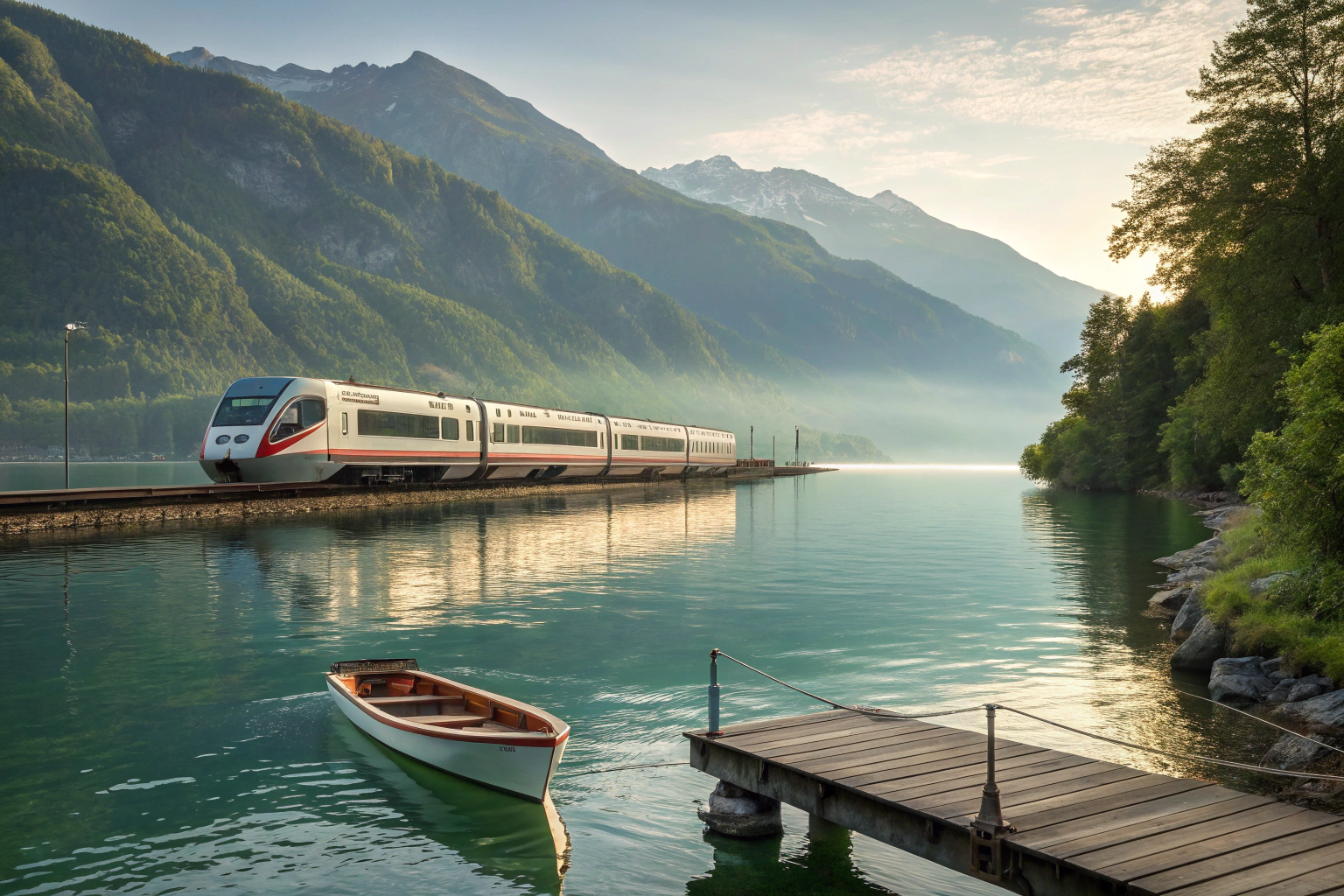
Day trips from Zurich offer an excellent way to explore Switzerland’s diverse landscapes using the city as a convenient home base. Thanks to an incredibly efficient public transport system, you can easily access majestic mountains, charming towns, and stunning waterfalls in just a few hours. These excursions allow visitors to experience more of the country’s beauty—from the Rhine Falls to Lucerne—without the hassle of checking in and out of multiple hotels, making travel simple and enjoyable.
Key Benefits at a Glance
- Benefit 1: Explore effortlessly with world-class trains and boats, reaching top destinations quickly and comfortably.
- Benefit 2: Experience incredible variety, from the towering Alps and serene lakes to historic cities and cascading waterfalls.
- Benefit 3: Save money and time by avoiding the hassle of packing, unpacking, and booking multiple hotels.
- Benefit 4: Find accessible options for everyone, including family-friendly boat cruises and easy panoramic train rides.
- Benefit 5: Enjoy maximum flexibility with Switzerland’s dense travel network, allowing for spontaneous and easy-to-plan adventures.
Purpose of this guide
This guide is for travelers based in Zurich who want to enrich their visit by discovering the stunning surrounding regions. It solves the common problem of deciding where to go and how to get there by providing clear, practical ideas for unforgettable day trips. You will learn about popular destinations like Mount Titlis and Interlaken, get a step-by-step overview for planning, and find out how to avoid common mistakes like underestimating travel times. Our goal is to help you plan seamless, stress-free adventures that maximize your time in Switzerland.
Introduction
When I first stepped off the train at Zurich Hauptbahnhof, I expected a bustling financial hub—what I discovered was something far more extraordinary. As a content strategist who has spent years exploring Europe, I can confidently say that Zurich serves as the perfect gateway to Switzerland's most breathtaking destinations. This cosmopolitan city doesn't just offer urban sophistication; it provides unparalleled access to the Swiss Alps, the serene beauty of Lake Zurich, and some of Europe's most charming historic towns.
What initially surprised me was how effortlessly I could transition from Zurich's modern cityscape to medieval villages, thundering waterfalls, and snow-capped peaks—all within a single day. The city's central location and world-class transportation network make it an ideal base for day trips from Zurich that showcase Switzerland's incredible diversity. Whether you're seeking alpine adventures, cultural immersion, or simply want to experience the fairy-tale charm that makes Switzerland legendary, Zurich puts it all within reach.
From my experience using Zurich as an exploration hub, I've learned that the city offers something unique: the ability to customize your Swiss adventure based on your interests and energy level. Want to stand beside Europe's most powerful waterfall? Take a morning train. Craving mountain vistas that stretch to the horizon? An afternoon cable car ride will deliver. Looking for medieval streets that seem untouched by time? Several enchanting towns await just an hour away.
Why Zurich makes the perfect base for Swiss exploration

Having used Zurich as my home base for countless Swiss excursions, I've discovered that its strategic advantages go far beyond convenience. The city sits at the heart of Central Switzerland, creating what I like to call the "golden triangle" of accessibility—you're never more than two hours from any major Swiss attraction, and most destinations are significantly closer.
The Swiss Federal Railways (SBB) system transforms Zurich into a transportation marvel. During my travels, I've consistently been amazed by the precision and frequency of Swiss trains. The network radiates from Zurich like spokes on a wheel, connecting you to alpine peaks, lakeside towns, and historic cities with remarkable efficiency. What sets this apart from other European rail systems is the seamless integration—your journey from urban sophistication to alpine wilderness feels effortless rather than jarring.
My methodology for maximizing Swiss exploration from Zurich centers on understanding the transportation rhythm. Early morning departures typically offer the best combination of fewer crowds and optimal lighting for photography. The Swiss Travel Pass became my secret weapon, providing unlimited access to trains, buses, and boats while eliminating the stress of individual ticket purchases. This freedom allowed me to make spontaneous decisions—extending a visit to Lucerne when the afternoon light hit the lake perfectly, or taking an unplanned detour to explore a charming village spotted from the train window.
| Transportation Option | Journey Time | Frequency | Best For |
|---|---|---|---|
| Train (SBB) | 30min-2hrs | Every 30min | Most destinations |
| Bus | 1-3hrs | Hourly | Remote villages |
| Car Rental | Variable | On demand | Flexible itineraries |
| Boat | 1-4hrs | Seasonal | Lake destinations |
The practical advantages extend beyond transportation. Zurich's accommodation options near the Hauptbahnhof mean you can literally roll out of bed and catch your day trip train within minutes. I've learned that booking hotels within walking distance of the station eliminates morning stress and allows for later evening returns without taxi concerns.
- Purchase Swiss Travel Pass for unlimited transport access
- Book accommodations near Zurich Hauptbahnhof for easy departures
- Download SBB Mobile app for real-time schedules
- Pack layers — mountain weather changes quickly
What truly makes Zurich exceptional as an exploration base is the cultural preparation it provides. The city's international atmosphere and multilingual environment serve as a gentle introduction to Swiss culture, making your ventures into more traditional areas feel like natural progressions rather than cultural shocks. This gradual immersion enhanced my appreciation for the historic towns and natural wonders I encountered during my day trips.
Breathtaking natural wonders just hours from the city
My philosophy for balancing urban exploration with natural escapes led me to discover that Switzerland's Swiss Alps region offers some of Europe's most accessible wilderness experiences. What struck me most profoundly was the dramatic contrast—one moment you're surrounded by Zurich's cosmopolitan energy, and within an hour, you're standing before thundering waterfalls or gazing across alpine vistas that seem to stretch into infinity.
The natural wonders accessible from Zurich represent Switzerland's geological diversity in microcosm. During a particularly memorable week when unexpected spring weather arrived early, I experienced everything from the raw power of Europe's largest waterfall to the serene majesty of mountain peaks reflected in pristine lakes. These experiences taught me that Swiss natural beauty isn't just about postcard-perfect scenery—it's about the profound sense of scale and timelessness that these landscapes evoke.
What makes these natural destinations particularly rewarding is their accessibility without sacrifice of authenticity. Unlike many European natural attractions that feel commercialized or crowded, the sites near Zurich maintain their wild character while remaining easily reachable. This balance allows you to experience genuine alpine wonder without the logistics challenges that typically accompany wilderness adventures.
The majestic Rhine Falls: Europe's largest waterfall
The first time I heard the Rhine Falls before seeing them, I knew I was approaching something extraordinary. That thunderous rumble grows steadily as you walk from Schaffhausen station, building anticipation until you round the corner and witness Europe's most powerful waterfall in all its magnificent fury. Standing on the viewing platforms at Schloss Laufen, watching 23,000 cubic feet of water per second crash over ancient rocks, remains one of my most visceral Swiss experiences.
What sets the Rhine Falls apart from other European waterfalls isn't just scale—it's the multiple perspectives available for experiencing this natural wonder. During my visits, I discovered that each viewpoint offers a completely different relationship with the water. The Schloss Laufen platform provides the classic panoramic view perfect for photography, while the boat ride to the center rock delivers an almost overwhelming sensory experience as you're surrounded by the falls' mist and power.
My photography experience taught me that the Rhine Falls rewards patience and timing. Early morning visits offer the best light for capturing the water's movement, while avoiding the crowds that arrive by mid-morning. The interplay between the ancient castle perched above the falls and the rushing water creates compositional opportunities that change throughout the day as shadows shift across the rocks.
- Take train from Zurich to Schaffhausen (45 minutes)
- Walk 10 minutes to Rhine Falls or take bus line 1
- Visit Schloss Laufen viewing platform first
- Take boat to center rock for close-up experience
- Explore Neuhausen side for different perspectives
The Schaffhausen area surrounding the falls adds historical depth to the natural spectacle. The medieval town provides a perfect complement to the waterfall visit, with its preserved architecture offering a glimpse into the region's past. I've found that combining the falls with a brief exploration of Schaffhausen's old town creates a more complete day trip experience.
- Best photo opportunities: early morning or golden hour
- Boat tours operate April-October only
- Viewing platforms accessible year-round
- Restaurant available at Schloss Laufen
The seasonal variations at Rhine Falls taught me to appreciate this destination year-round. Winter visits reveal ice formations along the rocks and smaller crowds, while spring snowmelt creates the most dramatic water volume. Each season offers its own rewards, making the falls a destination worth revisiting as your Swiss exploration deepens.
Mount Pilatus: A journey to the dragon mountain
The Golden Round Trip to Mount Pilatus represents everything magical about Swiss alpine engineering and natural beauty combined into one unforgettable experience. When I first took the world's steepest cogwheel railway up the mountain's face, watching the landscape transform from lakeside charm to alpine grandeur, I understood why this journey has captivated visitors for over a century.
Mount Pilatus earned its "Dragon Mountain" nickname from medieval legends, but the real magic happens during the ascent. The cogwheel railway climbs gradients up to 48 degrees, offering constantly changing perspectives of Lake Lucerne and the surrounding peaks. From my seat, I watched fellow travelers' faces transform from casual interest to pure wonder as the scale of the Swiss landscape revealed itself below.
The summit experience varies dramatically with weather and season, which I learned during multiple visits. On clear days, the 360-degree views encompass seven lakes and the Bernese, Jura, and Black Forest mountain ranges. During my most memorable visit, low clouds created a sea of white below the summit, making us feel like we were floating above the world. These dramatic weather variations taught me that Mount Pilatus rewards flexibility—sometimes the most spectacular experiences come from unexpected conditions.
| Route Option | Duration | Season | Highlights |
|---|---|---|---|
| Golden Round Trip | Full day | May-Oct | Cogwheel + cable car + boat |
| Cable Car Only | Half day | Year-round | Fastest ascent |
| Hiking Trail | 4-6 hours | May-Oct | Most scenic, challenging |
Lucerne serves as the perfect launching point for Mount Pilatus adventures, and the combination of these two destinations creates one of Switzerland's most complete day trip experiences. The boat journey across Lake Lucerne to reach the cogwheel railway adds a serene prelude to the mountain adventure, allowing you to appreciate the alpine setting from water level before ascending to the peaks.
- Cogwheel railway closes in winter months
- Weather can change rapidly at summit
- Book Golden Round Trip tickets in advance during peak season
The summit facilities surprised me with their thoughtful integration into the mountain environment. Rather than feeling commercial, the restaurants and viewing platforms enhance the natural experience by providing comfort without compromising the alpine atmosphere. During one particularly social visit, I found myself sharing stories with travelers from around the world, all united by the mountain's ability to inspire wonder and conversation.
Uetliberg: Zurich's own mountain retreat
Uetliberg holds a special place in my Swiss exploration because it proved that you don't need to travel far from Zurich to experience genuine alpine beauty. This local mountain, affectionately called "Zurich's own mountain," offers the closest thing to wilderness adventure just 20 minutes from the city center. My first visit revealed stunning panoramic views of Lake Zurich, the city, and the distant Alps—a perspective that fundamentally changed how I understood Zurich's geographic setting.
The Planetenweg trail became one of my favorite discoveries on Uetliberg, combining hiking with an educational journey through our solar system. This unique trail uses the mountain's terrain to create a scale model of the solar system, with planets positioned at distances that reflect their actual proportional spacing. Walking from the sun to Pluto while surrounded by Swiss forest creates a meditative experience that appeals to both families and solo travelers seeking something different from typical mountain hikes.
What makes Uetliberg particularly valuable for day trip planning is its flexibility and accessibility. Unlike more distant alpine destinations that require full-day commitments, Uetliberg adapts to your schedule and energy level. I've used it for early morning sunrise photography sessions, afternoon family outings, and evening sunset dinners at the summit restaurant. The mountain's proximity to Zurich means you can make spontaneous visits based on weather conditions or available time.
- Only 20 minutes by train from Zurich city center
- Planetenweg trail offers educational solar system walk
- Observation tower provides 360-degree views
- Popular for sunrise and sunset photography
- Mountain biking trails available for adventurous visitors
The observation tower at Uetliberg's summit provides the payoff for your mountain journey—a 360-degree panorama that encompasses the entire Zurich region. From this vantage point, you can trace the route of Lake Zurich as it winds between rolling hills, identify other mountains you might want to explore, and gain a bird's-eye perspective of the transportation network that makes all these adventures possible.
- Take S10 train from Zurich Hauptbahnhof to Uetliberg station
- Follow signs to observation tower (15-minute walk)
- Climb tower for panoramic views
- Explore Planetenweg trail if time permits
- Return via same train route or hike down to Triemli
The seasonal character of Uetliberg taught me to appreciate this mountain as a year-round destination. Autumn visits reveal the surrounding forests in brilliant colors, while winter can bring enough snow for cross-country skiing. Spring offers wildflowers along the trails, and summer provides perfect conditions for the longer hiking routes that connect Uetliberg to neighboring peaks. This seasonal variety means that Uetliberg can serve as a reliable backup plan when weather affects more distant destinations.
Charming Swiss towns that feel like time travel
My fascination with Switzerland's preserved historic towns began with a simple realization: unlike many European destinations where medieval architecture feels reconstructed or touristy, Swiss towns maintain an authentic lived-in quality that makes their historical character feel genuine rather than performed. These communities, accessible within an hour or two from Zurich, offer immersive experiences that transport you into different eras of Swiss culture and architecture.
What makes these day trips particularly rewarding from a content strategist's perspective is the visual storytelling they provide. Each town tells a distinct chapter in Swiss history through its architecture, layout, and cultural traditions. Lucerne showcases medieval merchant prosperity, while Stein am Rhein preserves Renaissance artistic traditions in its frescoed facades. Rapperswil demonstrates the elegant integration of natural beauty with urban planning, and Winterthur reveals Switzerland's often-overlooked cultural sophistication.
These towns enhanced my understanding of Swiss culture beyond the typical Alpine stereotypes. They revealed a country with rich artistic traditions, sophisticated urban planning principles, and a deep commitment to preserving historical heritage without sacrificing modern functionality. Each visit taught me something new about how Swiss communities balance tradition with progress, creating environments that feel both timeless and thoroughly contemporary.
Lucerne: Medieval beauty on the lakefront
Lucerne captivated me from my first glimpse of its iconic Chapel Bridge stretching across the Reuss River, its wooden span decorated with painted panels that tell stories of Swiss history. This 700-year-old covered bridge serves as both a functional crossing and an outdoor art gallery, creating one of Europe's most photographed landmarks. But what keeps drawing me back to Lucerne isn't just its postcard-perfect beauty—it's the city's ability to seamlessly blend medieval charm with sophisticated cultural offerings and stunning natural settings.
The Lion Monument, carved directly into a sandstone cliff face, provides one of Switzerland's most emotionally powerful historical experiences. This massive sculpture commemorating Swiss Guards who died defending French royalty during the French Revolution demonstrates the skill of 19th-century Swiss craftsmen while telling a poignant story of loyalty and sacrifice. Standing before this "most mournful and moving piece of stone in the world," as Mark Twain described it, creates a moment of reflection that adds depth to any Lucerne visit.
Lake Lucerne itself serves as the city's natural crown jewel, with its complex shape winding between mountains like a liquid mirror reflecting the surrounding peaks. During my multiple visits, I've learned that the lake's beauty changes dramatically with weather and season—morning mist creates mysterious atmospheres, while afternoon sun transforms the water into brilliant blue punctuated by white sailboats and elegant paddle steamers.
«Lucerne is a popular day trip from Zurich because it’s less than an hour away and boasts historic sights including the 700-year-old Chapel Bridge.»
— Viator, 2025
Top 10 day trips
| Attraction | Visit Duration | Entry Fee | Must-See Feature |
|---|---|---|---|
| Chapel Bridge | 30 minutes | Free | Historic painted panels |
| Lion Monument | 20 minutes | Free | Carved rock memorial |
| Lake Lucerne Cruise | 1-3 hours | CHF 25-45 | Alpine scenery |
| Old Town | 1-2 hours | Free | Medieval architecture |
My experience navigating Lucerne efficiently in a single day taught me the importance of strategic timing and route planning. Early morning arrivals allow you to photograph the Chapel Bridge without crowds, while the golden hour provides magical lighting for the Lion Monument. The compact old town rewards leisurely exploration, with its painted buildings, fountain squares, and narrow streets revealing new details with each visit.
- DO visit early morning to avoid crowds at Chapel Bridge
- DO combine with Mount Pilatus for full alpine experience
- DON’T miss the flower displays along the lake promenade
- DON’T forget camera for Lion Monument’s emotional impact
The cultural richness of Lucerne extends beyond its historical monuments to include world-class museums, concert halls, and festivals. During one memorable visit, I discovered a local jazz festival transforming the lakefront into an outdoor concert venue, demonstrating how the city continues to create new cultural experiences while honoring its historical heritage. This dynamic quality makes Lucerne a destination that rewards repeat visits as you discover new layers of its cultural offerings.
Stein am Rhein: A fairytale town frozen in time
Stein am Rhein represents perhaps the most perfectly preserved medieval town center I've encountered anywhere in Europe. When I first walked into the main square and saw the incredible frescoed facades covering every building, I felt like I had stepped into a living storybook. These painted buildings, decorated with elaborate scenes depicting everything from religious stories to secular celebrations, create an outdoor art gallery that has remained virtually unchanged for centuries.
The town's unique character stems from its position along the Rhine River, which made it a prosperous trading center during the Middle Ages. This prosperity funded the elaborate building decorations that make Stein am Rhein so extraordinary today. Walking through the narrow streets, I discovered that virtually every building features painted facades, carved wooden elements, or decorative stonework that speaks to the wealth and artistic sophistication of medieval Swiss merchants.
My photography experience in Stein am Rhein taught me the importance of timing and perspective for capturing the town's artistic treasures. The frescoed buildings require careful attention to lighting—early morning and late afternoon provide the best conditions for revealing the subtle colors and details in the painted scenes. Wide-angle lenses help capture entire building facades, while telephoto lenses allow you to isolate individual artistic elements for detailed study.
- Visit Tuesday-Saturday for best restaurant options
- Bring wide-angle lens for building facade photography
- Allow 2-3 hours for leisurely exploration
- Check opening hours for Hohenklingen Castle ruins
The experience of wandering Stein am Rhein's streets reveals new artistic details with each visit. Individual buildings tell stories through their painted scenes—religious narratives, historical events, and allegorical figures that reflect the beliefs and interests of their original owners. This artistic richness creates an immersive experience that goes far beyond typical sightseeing, offering insights into medieval Swiss culture and artistic traditions.
- Train journey: 1 hour from Zurich via Schaffhausen
- Best photo spots: Rathausplatz and Understadt
- Parking: Limited street parking, use train instead
- Tourist info: Available at town hall square
What struck me most about Stein am Rhein was discovering how this remarkable town continues to function as a living community rather than a museum piece. Local residents go about their daily lives surrounded by these artistic treasures, children play in squares decorated with centuries-old frescoes, and modern shops operate behind medieval facades. This authentic integration of historical preservation with contemporary life creates an atmosphere that feels both timeless and thoroughly alive.
Rapperswil: The city of roses
Rapperswil earned its nickname "City of Roses" through its spectacular lakeside rose gardens, but my first visit during peak bloom season in June revealed that this charming town offers much more than floral beauty. Positioned on a peninsula extending into Lake Zurich, Rapperswil combines medieval architecture, horticultural excellence, and stunning water views into one of Switzerland's most romantic day trip destinations.
The Rapperswil Castle, perched above the old town and rose gardens, provides both historical context and panoramic views across Lake Zurich to the distant Alps. During my exploration of the castle grounds, I gained perspective on how this strategic location made Rapperswil an important medieval trading center. The castle's position offers perfect vantage points for photographing the town's red-tiled roofs, the lake's blue expanse, and the wooden bridge that connects Rapperswil to the opposite shore.
My experience combining a Rapperswil visit with a Lake Zurich cruise created one of my most memorable Swiss day trips. The approach by boat allows you to appreciate the town's peninsula setting and understand how water transportation shaped its development. The wooden bridge walk provides a unique perspective on both the town and the lake, stretching for over a kilometer across the water with benches positioned for rest and contemplation.
- Rose season peaks in June-July for best garden experience
- Wooden bridge walk takes 15-20 minutes each way
- Castle museum open April-October, weekends only in winter
- Lake Zurich boat connections available from multiple piers
The rose gardens themselves showcase horticultural artistry that complements Rapperswil's architectural heritage. Over 15,000 roses representing more than 600 varieties create a sensory experience that changes throughout the growing season. Early summer visits reveal the gardens in full bloom, while autumn provides a different beauty as rose hips add color and texture to the landscape. This seasonal variety makes Rapperswil a destination worth revisiting as your appreciation for Swiss gardens deepens.
What made my Rapperswil visits particularly enriching was discovering how the town integrates natural beauty with cultural heritage. The rose gardens aren't just decorative—they tell stories about Swiss horticultural traditions and the community's commitment to creating beautiful public spaces. Walking through these gardens while surrounded by medieval architecture and lake views creates a multisensory experience that epitomizes Swiss attention to quality of life.
Winterthur: Switzerland's art and culture hub
Winterthur completely surprised me during my first visit, revealing a sophisticated cultural scene that rivals major European art centers while maintaining the intimate charm of a Swiss town. This discovery challenged my preconceptions about Swiss culture beyond Alpine stereotypes, introducing me to a community that has cultivated world-class museums, galleries, and cultural institutions just 20 minutes from Zurich.
The Technorama stands out as Switzerland's premier science center, offering interactive exhibits that make complex scientific concepts accessible and engaging for visitors of all ages. During my visit, I watched families, students, and curious adults equally captivated by hands-on experiments that demonstrate everything from basic physics to cutting-edge technology. This approach to science education reflects Swiss values of precision, innovation, and lifelong learning that extend far beyond traditional stereotypes.
My exploration of Winterthur's museum district revealed an impressive concentration of cultural institutions within walking distance of each other. The Kunstmuseum houses significant collections of Swiss and international art, while specialized venues like the Fotomuseum demonstrate the town's commitment to diverse artistic expressions. This cultural density creates opportunities for deep cultural immersion that would be difficult to match in larger, more dispersed cities.
| Museum | Specialty | Visit Duration | Family Friendly |
|---|---|---|---|
| Technorama | Science & Technology | Half day | Yes |
| Kunstmuseum | Fine Arts | 2-3 hours | Moderate |
| Fotomuseum | Photography | 1-2 hours | Yes |
| Villa Flora | Post-Impressionist Art | 1-2 hours | Moderate |
The pedestrian-friendly old town provides a perfect complement to Winterthur's cultural attractions, with its mix of historic architecture, contemporary shops, and outdoor cafes creating an atmosphere that encourages leisurely exploration. During my visits, I discovered that the town's compact size allows you to easily move between cultural sites while enjoying the street life and architectural details that make Swiss towns so appealing.
What impressed me most about Winterthur was how it demonstrates Switzerland's cultural sophistication beyond traditional Alpine attractions. The town's commitment to arts, sciences, and education creates a destination that appeals to travelers seeking intellectual stimulation and cultural enrichment. This makes Winterthur particularly valuable for day trips when you want to experience Swiss culture from a different perspective than the typical mountain and lake destinations.
Conclusion: Making Zurich your gateway to Swiss experiences
Reflecting on countless day trips radiating from Zurich, I've come to understand that this city offers something truly unique among European destinations: the ability to experience Switzerland's full spectrum of attractions without the logistics challenges that typically accompany such diversity. From the thundering power of Rhine Falls to the quiet charm of Stein am Rhein's painted facades, from the alpine majesty of Mount Pilatus to the cultural sophistication of Winterthur's museums, Zurich serves as your passport to authentic Swiss experiences.
What changed my perspective on Switzerland was realizing that the country's true magic lies not in any single attraction, but in the seamless way you can transition between completely different experiences. The efficient transportation network, the preserved historical towns, and the accessible natural wonders create opportunities for discovery that reward both careful planning and spontaneous exploration. Each day trip from Zurich revealed new facets of Swiss culture, history, and natural beauty that deepened my appreciation for this remarkable country.
The Swiss Alps will always capture imaginations with their dramatic beauty, but my experiences taught me that Switzerland's greatest gift to travelers is accessibility without compromise. You don't have to choose between convenience and authenticity, between comfort and adventure, between cultural enrichment and natural wonder. Zurich puts all of these experiences within reach, allowing you to craft Swiss adventures that match your interests, energy level, and available time.
As you plan your own Swiss exploration, remember that the best day trips often combine multiple elements—a morning at Rhine Falls with an afternoon exploring Schaffhausen, a Mount Pilatus ascent paired with Lucerne's medieval charm, or a cultural immersion in Winterthur followed by sunset views from Uetliberg. These combinations create richer experiences than single-destination visits while maximizing your time in this extraordinary country.
My final recommendation comes from years of content strategy experience: approach your Swiss day trips with curiosity rather than a checklist mentality. The unexpected discoveries—a local festival in a small town, perfect light illuminating a mountain peak, a conversation with fellow travelers on a scenic train—often become the most treasured memories. Zurich provides the foundation for these adventures, but Switzerland's magic happens when you step beyond the expected and embrace the serendipity that makes travel truly transformative.
Frequently Asked Questions
The best day trip from Zurich often depends on your interests, but Lucerne stands out for its stunning lake views, medieval architecture, and proximity to Mount Pilatus. Other top options include the Rhine Falls for nature lovers or Stein am Rhein for charming historic towns. Plan ahead to make the most of your Zurich day trip experience.
You can easily reach Lucerne from Zurich by train, which takes about 45 minutes and offers scenic views along the way. For Rhine Falls, take a train to Neuhausen or Schloss Laufen am Rheinfall, followed by a short walk, with the journey lasting around an hour. Driving or joining guided tours are also convenient options for these popular Zurich day trips.
The best time to book Zurich day trips is 1-2 months in advance, especially during peak summer months (June to August) when crowds are high. For off-season travel in spring or fall, booking a few weeks ahead suffices, ensuring availability for trains and tours. Always check weather forecasts to optimize your experience.
For a day trip from Zurich, pack comfortable walking shoes, weather-appropriate clothing like layers for variable Swiss weather, and essentials such as water, snacks, and sunscreen. Don’t forget your camera, a portable charger, and any necessary travel documents like a Swiss Travel Pass. Tailor your packing list based on the destination, such as rain gear for Rhine Falls.
Yes, the Swiss Travel Pass is ideal for day trips from Zurich, covering unlimited travel on trains, buses, and boats to destinations like Lucerne and Rhine Falls. It also includes free entry to many museums and discounts on mountain excursions. Purchase the pass online or at stations for seamless, cost-effective exploration.
